English
 中文简体
中文简体

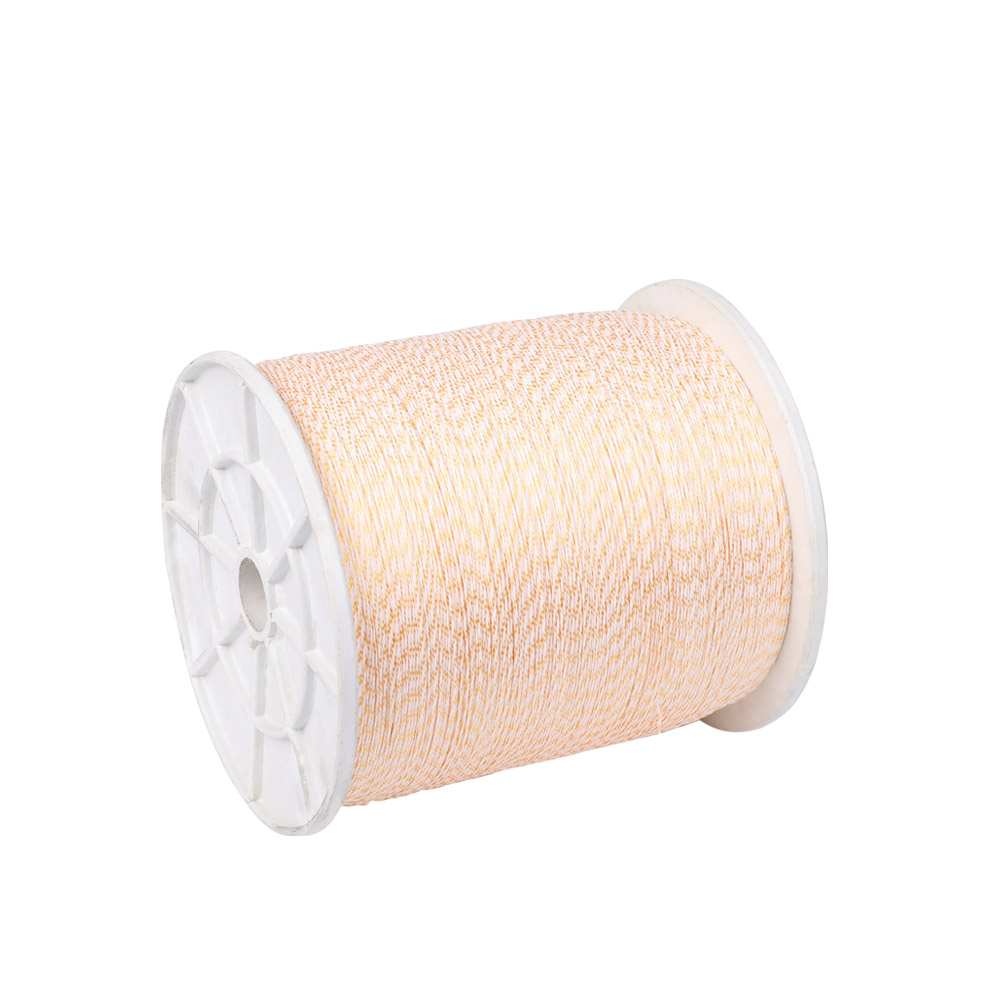
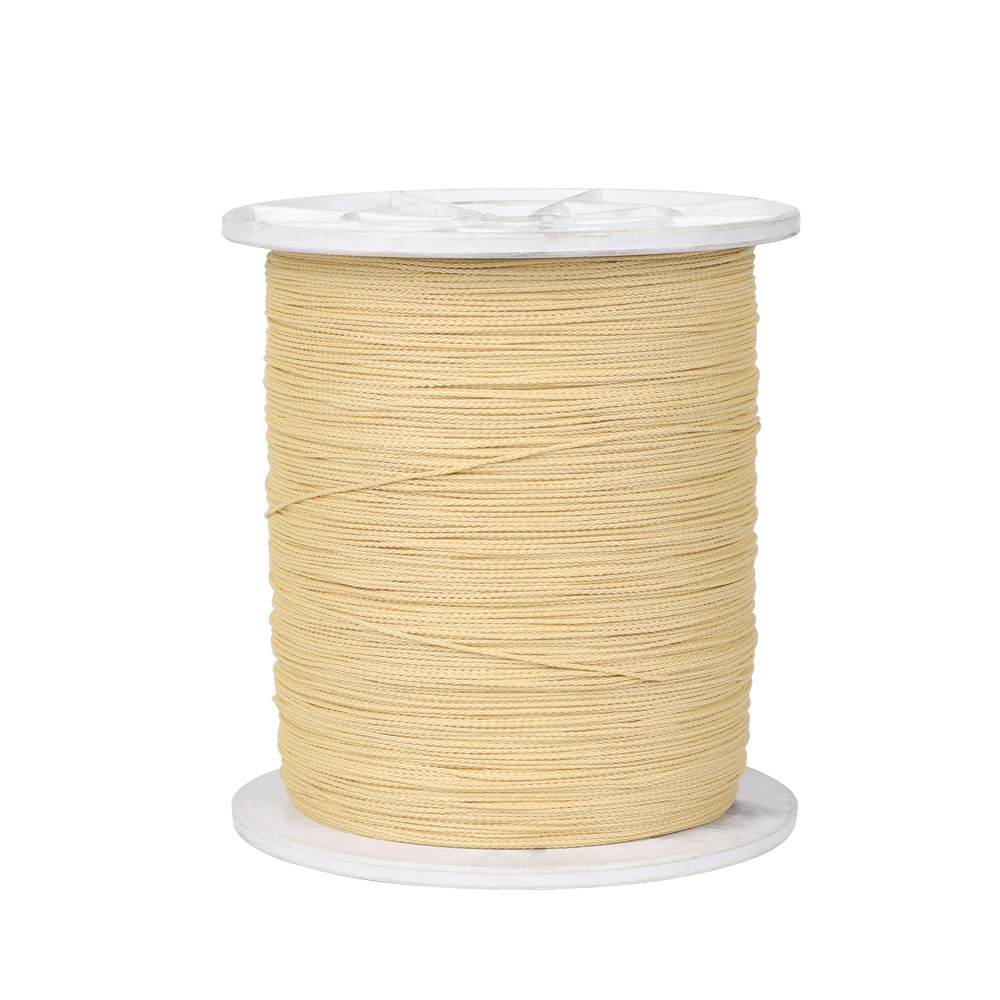
New Energy Vehicle Motor Binding Wire plays a critical role in the performance, safety, and lifespan of electric drive motors used in EVs, hybrid vehicles, and other new energy vehicles. Although it is a small component, it directly affects winding stability, insulation reliability, and resistance to heat and vibration. This article focuses on practical aspects of motor binding wire selection, application, and performance considerations, helping readers understand why this material matters so much in real-world motor manufacturing.
Content
- 1 What Is New Energy Vehicle Motor Binding Wire Used For
- 2 Key Performance Requirements in EV Motor Applications
- 3 Common Materials Used for Motor Binding Wire
- 4 Why Binding Wire Quality Impacts Motor Reliability
- 5 Practical Selection Tips for Manufacturers
- 6 Future Trends in New Energy Vehicle Motor Binding Wire
What Is New Energy Vehicle Motor Binding Wire Used For
In new energy vehicle motors, binding wire is mainly used to secure stator windings after coil insertion. It holds copper windings firmly in place, preventing movement caused by high-speed rotation, electromagnetic force, and frequent start-stop conditions. Compared with traditional motors, EV motors operate at higher power density and temperature, which places much stricter demands on motor binding materials.
A reliable motor binding wire ensures that the winding structure remains stable throughout long-term operation, reducing the risk of insulation wear, short circuits, or mechanical failure.
Key Performance Requirements in EV Motor Applications
New Energy Vehicle Motor Binding Wire must meet several demanding performance standards due to the harsh operating environment inside the motor. These requirements are not optional; they directly impact motor efficiency and safety.
- High heat resistance to withstand continuous temperatures of 180°C or higher without softening or breaking
- Strong tensile strength to keep windings fixed under centrifugal and electromagnetic forces
- Excellent insulation performance to prevent electrical leakage or short circuits
- Resistance to vibration and fatigue caused by frequent acceleration and braking
Common Materials Used for Motor Binding Wire
Different materials are chosen for New Energy Vehicle Motor Binding Wire depending on motor design, power level, and insulation class. Each material has its own advantages and limitations.
| Material Type | Key Features | Typical Use Case |
| Polyester Fiber | Good strength, cost-effective, moderate heat resistance | Standard EV motors |
| Aramid Fiber | High temperature resistance, excellent mechanical strength | High-power or high-speed motors |
| Glass Fiber | Excellent heat resistance, strong insulation | Motors with extreme thermal demands |
Why Binding Wire Quality Impacts Motor Reliability
Low-quality or improperly selected New Energy Vehicle Motor Binding Wire can lead to serious motor problems. Loose windings may rub against insulation paper or slot liners, accelerating wear and increasing the risk of electrical failure.
In contrast, high-quality binding wire maintains consistent tension, resists thermal aging, and works together with varnish or resin impregnation to form a solid, integrated winding structure. This directly improves motor lifespan and reduces maintenance costs.
Practical Selection Tips for Manufacturers
When choosing motor binding wire for new energy vehicle applications, manufacturers should focus on real operating conditions rather than price alone. A practical evaluation process helps avoid long-term risks.
- Match the heat resistance grade of the binding wire with the motor insulation class
- Verify tensile strength and elongation data under high-temperature conditions
- Ensure compatibility with varnish, resin, or impregnation processes
- Request application test data specific to new energy vehicle motors
Future Trends in New Energy Vehicle Motor Binding Wire
As new energy vehicles continue to evolve toward higher efficiency and compact motor designs, binding wire materials are also advancing. Lightweight, high-strength fibers and improved insulation coatings are becoming more common to support higher slot fill rates and increased power density.
In the future, New Energy Vehicle Motor Binding Wire will not just be a supporting material, but a key contributor to motor reliability, efficiency, and overall vehicle performance.