English
 中文简体
中文简体

Content
- 1 What Polyester Aramid Binding Wire Is and Why Cable Manufacturers Depend on It
- 2 Key Properties That Make This Binding Wire Effective
- 3 Common Applications Across the Cable Industry
- 4 How to Choose the Right Binding Wire Specification
- 5 Binding Wire Construction and Common Specifications
- 6 Common Mistakes to Avoid When Sourcing Binding Wire
- 7 Final Thoughts on Selecting Polyester Aramid Binding Wire
What Polyester Aramid Binding Wire Is and Why Cable Manufacturers Depend on It
Inside almost every multi-core cable, whether it is used for power transmission, telecommunications, or industrial control systems, there is a binding material holding the individual wires or fiber bundles firmly together before the outer jacket is applied. Polyester aramid binding wire has become a preferred choice for this job because it combines the flexibility and cost efficiency of polyester with the exceptional strength and heat resistance of aramid fiber. This hybrid construction allows cable manufacturers to achieve reliable core bundling without adding excessive bulk or weight to the finished cable.
As cable designs continue to evolve to meet higher performance standards, particularly in industries like automotive wiring, aerospace, and telecommunications infrastructure, the demand for a binding material that can withstand mechanical stress, temperature fluctuation, and long-term durability has grown significantly. Polyester aramid binding wire meets these demands by offering a practical middle ground between pure aramid binding, which can be expensive, and standard polyester binding, which may lack sufficient strength for demanding applications.
Key Properties That Make This Binding Wire Effective
The performance of polyester aramid binding wire comes down to the specific combination of fiber properties working together. Understanding these characteristics helps explain why this material has become so widely used across different cable types.
| Property | Contributed By | Benefit |
| High tensile strength | Aramid fiber | Holds cable cores tightly without stretching or snapping |
| Heat resistance | Aramid fiber | Withstands high processing and operating temperatures |
| Flexibility and workability | Polyester fiber | Allows easy application during high-speed binding processes |
| Cost efficiency | Polyester fiber | Reduces overall material cost compared to full aramid binding |
| Chemical resistance | Combined fiber blend | Maintains integrity when exposed to oils or solvents |
By blending these two fiber types, polyester aramid binding wire delivers a practical balance that pure polyester binding cannot match in demanding environments, while remaining more economical than binding solutions made entirely from aramid fiber.
Common Applications Across the Cable Industry
Power and Control Cables
In power and control cable manufacturing, polyester aramid binding wire is commonly used to bundle multiple conductors together before jacketing, helping maintain consistent core alignment during installation and long-term use. Its heat resistance also makes it suitable for cables that may experience elevated operating temperatures during continuous use.
Fiber Optic Cables
Fiber optic cables require binding materials that provide strength without adding excessive weight or stiffness that could affect signal-carrying fibers. Polyester aramid binding wire is often used in this application because it offers enough tensile strength to protect delicate fiber bundles during installation while remaining lightweight and flexible enough not to interfere with cable performance.
Automotive and Aerospace Wiring Harnesses
Automotive and aerospace wiring harnesses are subject to vibration, temperature swings, and space constraints, making a durable yet lightweight binding solution essential. Polyester aramid binding wire helps keep wire bundles organized and secure in these harnesses, contributing to long-term reliability in environments where cable failure is simply not an option.
How to Choose the Right Binding Wire Specification
Not every cable application requires the same binding wire specification. Manufacturers should evaluate several factors when selecting the right polyester aramid binding wire for their specific production needs.
- Required tensile strength based on cable weight and installation conditions
- Operating temperature range the finished cable will be exposed to
- Compatibility with existing binding or serving machinery on the production line
- Fiber blend ratio between polyester and aramid content for cost versus performance balance
- Any industry certification requirements specific to the cable's end-use application
Working closely with a supplier who can provide technical data sheets and sample testing helps ensure the chosen polyester aramid binding wire performs reliably in your specific manufacturing process and final product application.
Binding Wire Construction and Common Specifications
Denier and Thickness Options
Polyester aramid binding wire is available in various denier counts and thicknesses, allowing manufacturers to select a suitable option based on the size and weight of the cable cores being bound. Thicker binding wire generally offers greater tensile strength but may add slightly more bulk, so selecting the right specification often involves balancing strength needs against space constraints in the finished cable design.
Twist and Braid Construction
Some polyester aramid binding wire products are constructed as twisted yarns, while others are braided for additional structural stability. Braided constructions tend to offer better resistance to fraying and unraveling during high-speed binding operations, which can be an important consideration for manufacturers running continuous production lines.
Color Coding for Identification
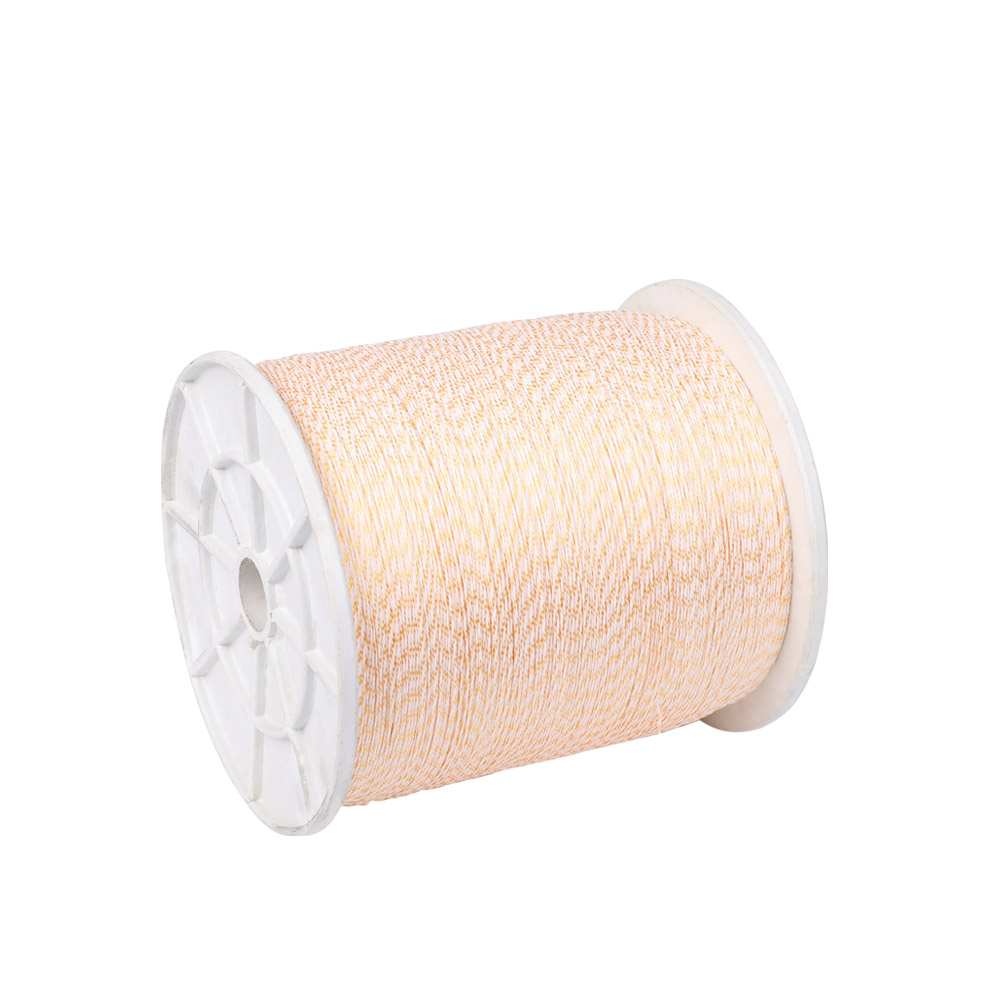
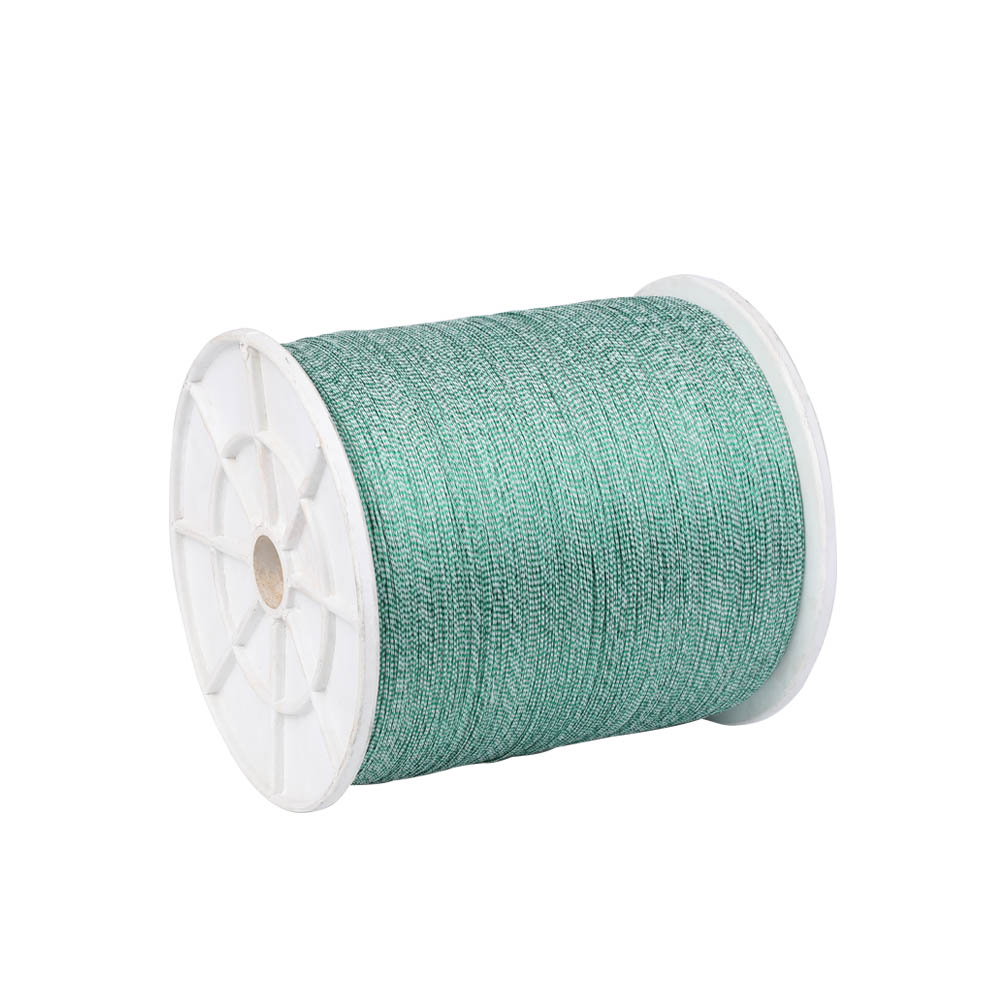
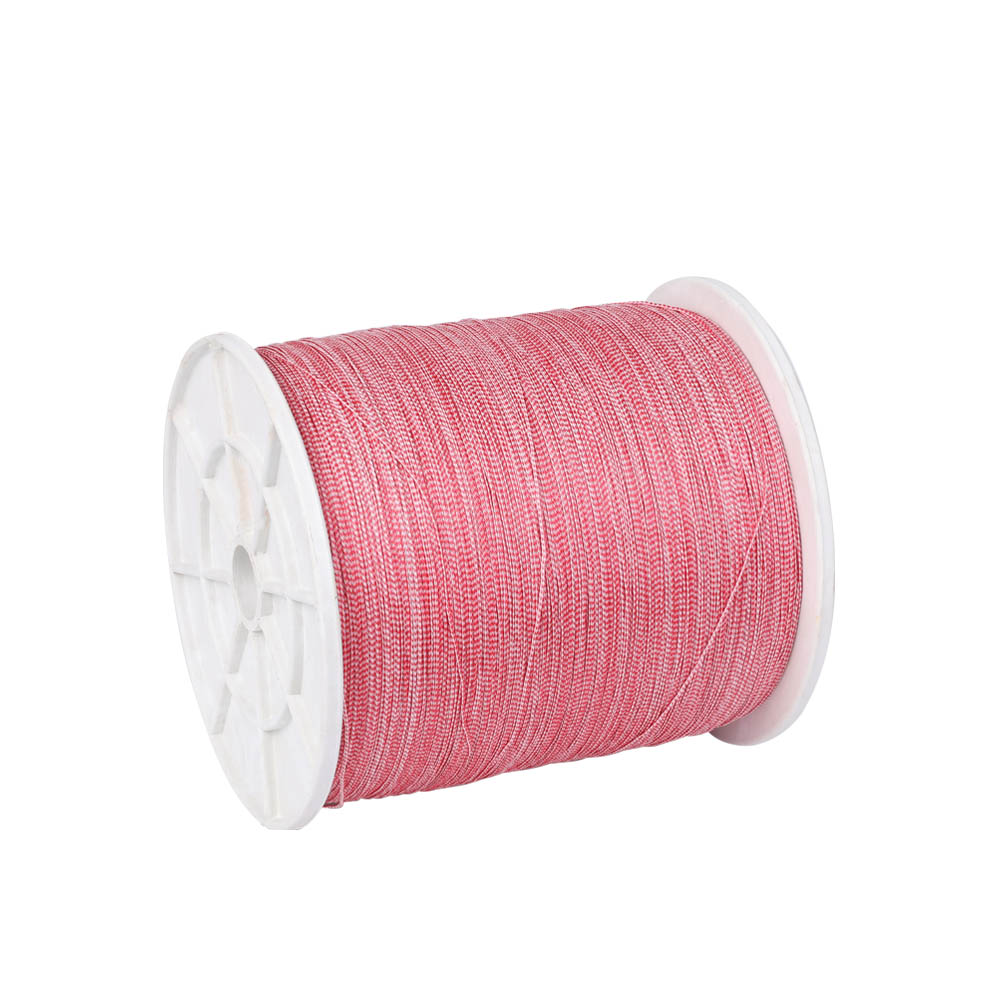
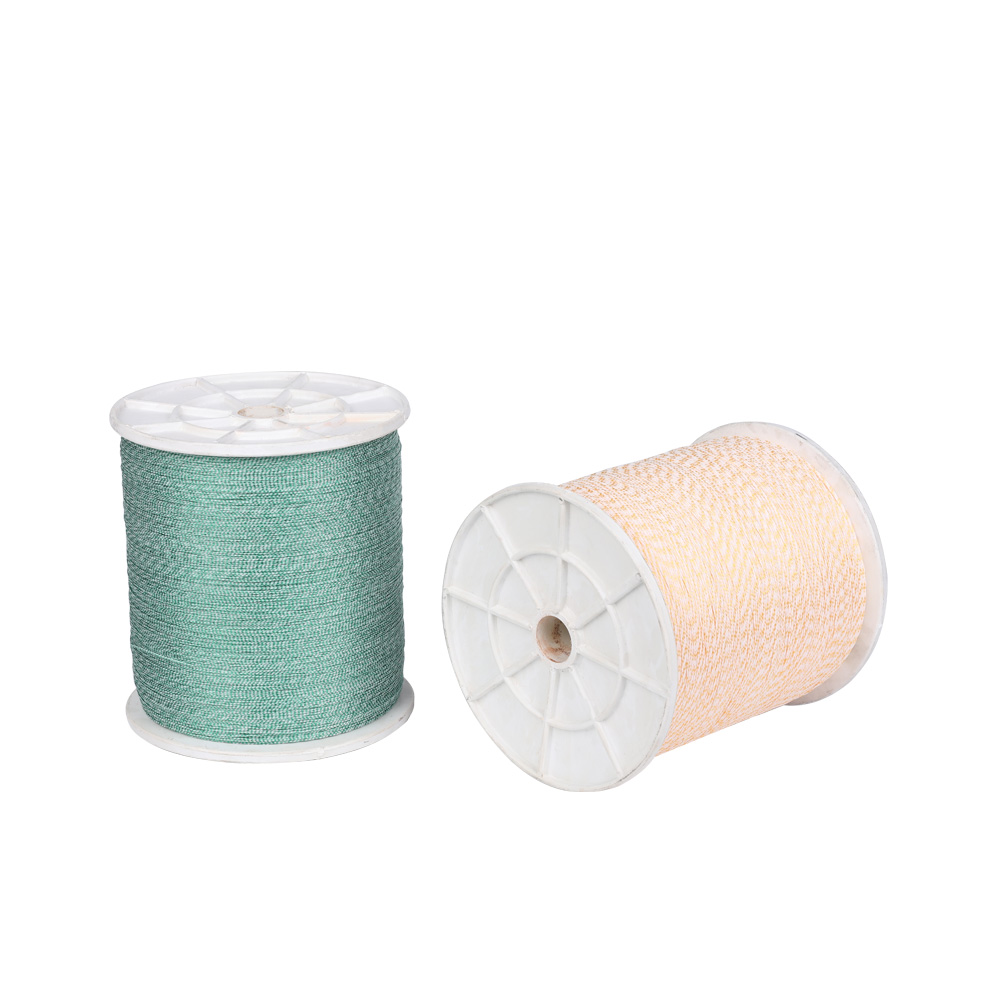
Many cable manufacturers request specific color options for their polyester aramid binding wire to support internal quality control processes or to visually distinguish between different cable product lines. Confirming color availability with your supplier ahead of large orders can help avoid production delays tied to custom dyeing requirements.
Common Mistakes to Avoid When Sourcing Binding Wire
- Choosing binding wire based on price alone without verifying tensile strength specifications
- Overlooking temperature resistance requirements for high-heat cable applications
- Failing to test compatibility with existing binding machinery before bulk ordering
- Ignoring supplier consistency, leading to variation in fiber blend ratio between batches
- Not requesting certification documentation required for regulated industries like aerospace
Avoiding these common sourcing mistakes helps ensure that polyester aramid binding wire performs consistently across every production batch, protecting both product quality and manufacturing efficiency.
Final Thoughts on Selecting Polyester Aramid Binding Wire
Choosing the right polyester aramid binding wire comes down to understanding your specific cable application, required strength and temperature tolerance, and compatibility with existing production equipment. This hybrid fiber solution continues to gain popularity across power, fiber optic, and wiring harness applications because it delivers a practical balance of strength, heat resistance, and cost efficiency that few other binding materials can match. Taking the time to evaluate specifications carefully and work with a reliable supplier will help manufacturers maintain consistent quality across every cable produced.