English
 中文简体
中文简体

Content
- 1 What Is Refrigerator Motor Binding Wire and Why Does It Matter?
- 2 Types of Binding Wire Used in Refrigerator Motors
- 3 Signs Your Refrigerator Motor Binding Wire Needs Attention
- 4 How to Safely Replace Refrigerator Motor Binding Wire
- 5 Common Mistakes When Working with Fridge Motor Binding Wire
- 6 Preventive Care: Extending the Life of Your Compressor Binding
What Is Refrigerator Motor Binding Wire and Why Does It Matter?
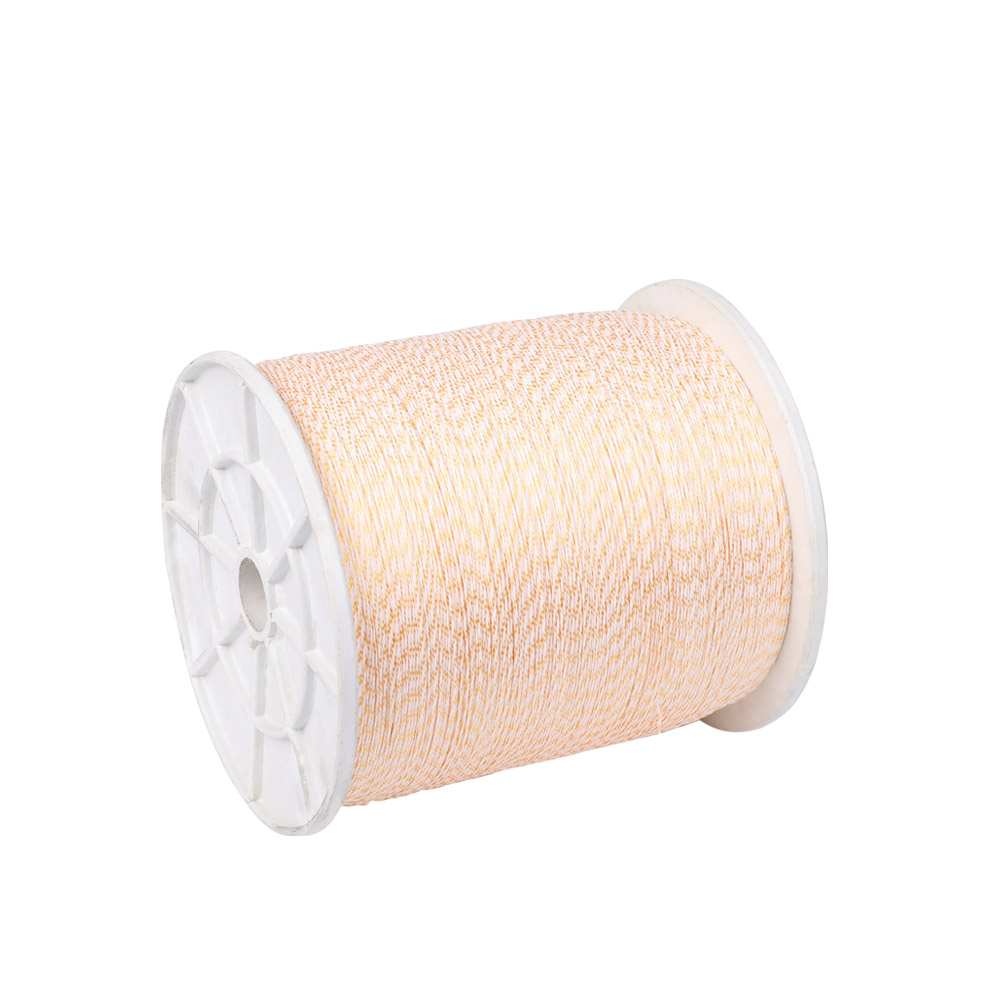
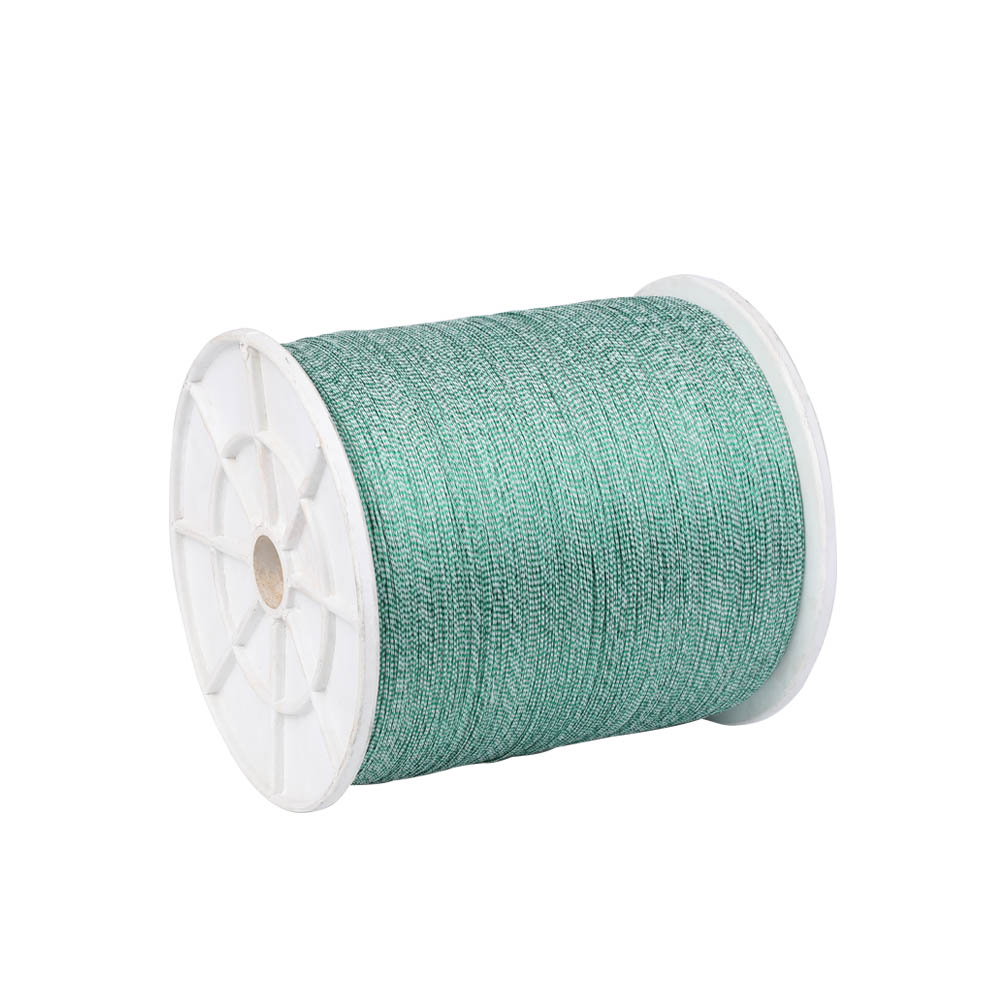
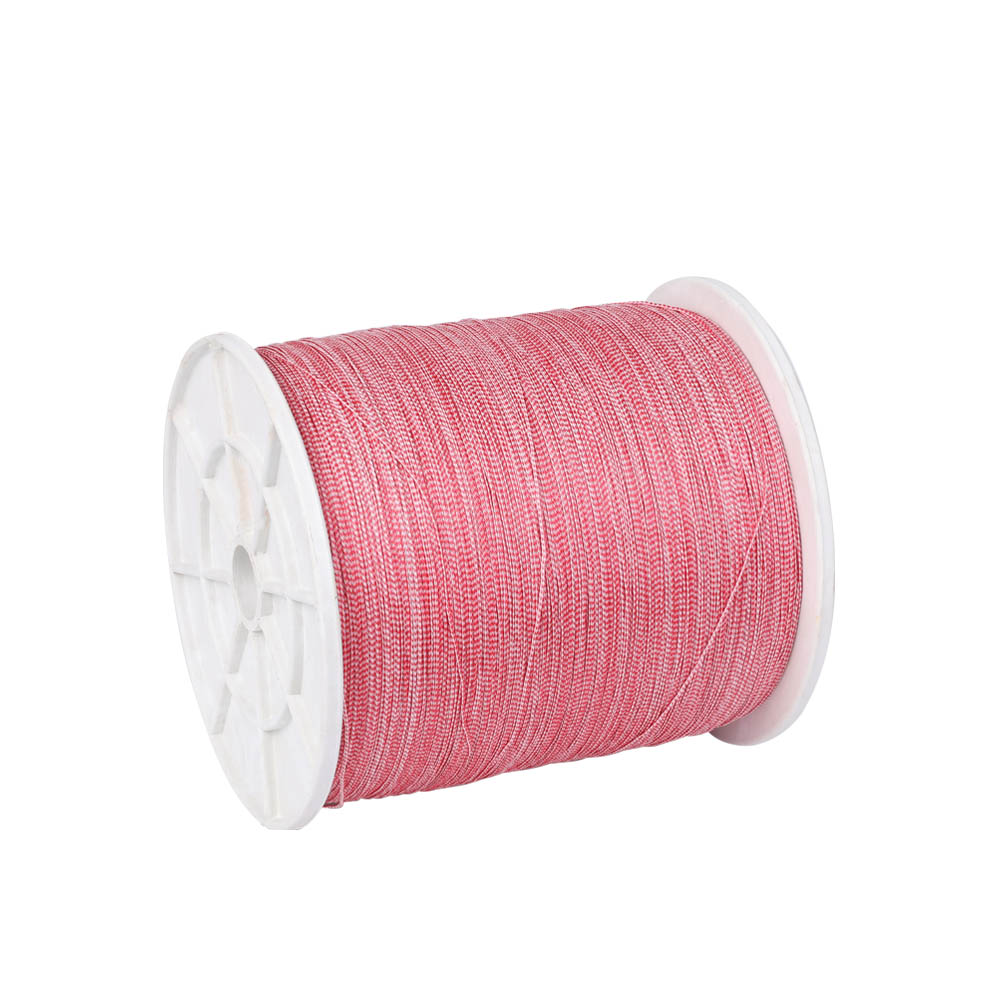
Refrigerator motor binding wire is the specialized wire or cord used to secure and organize the copper windings inside your fridge's compressor motor. It's not the same as the electrical winding wire that carries current—instead, binding wire acts like a "seatbelt" for the motor's internal coils, holding them tightly in place during operation. This small component plays a huge role: without proper binding, vibrations from the compressor can cause windings to rub, fray, or short out, leading to motor failure. When people search for refrigerator motor binding wire, they're often troubleshooting a noisy fridge, a compressor that won't start, or planning a repair. Understanding this part helps you make smarter decisions about maintenance or when to call a pro.
Types of Binding Wire Used in Refrigerator Motors
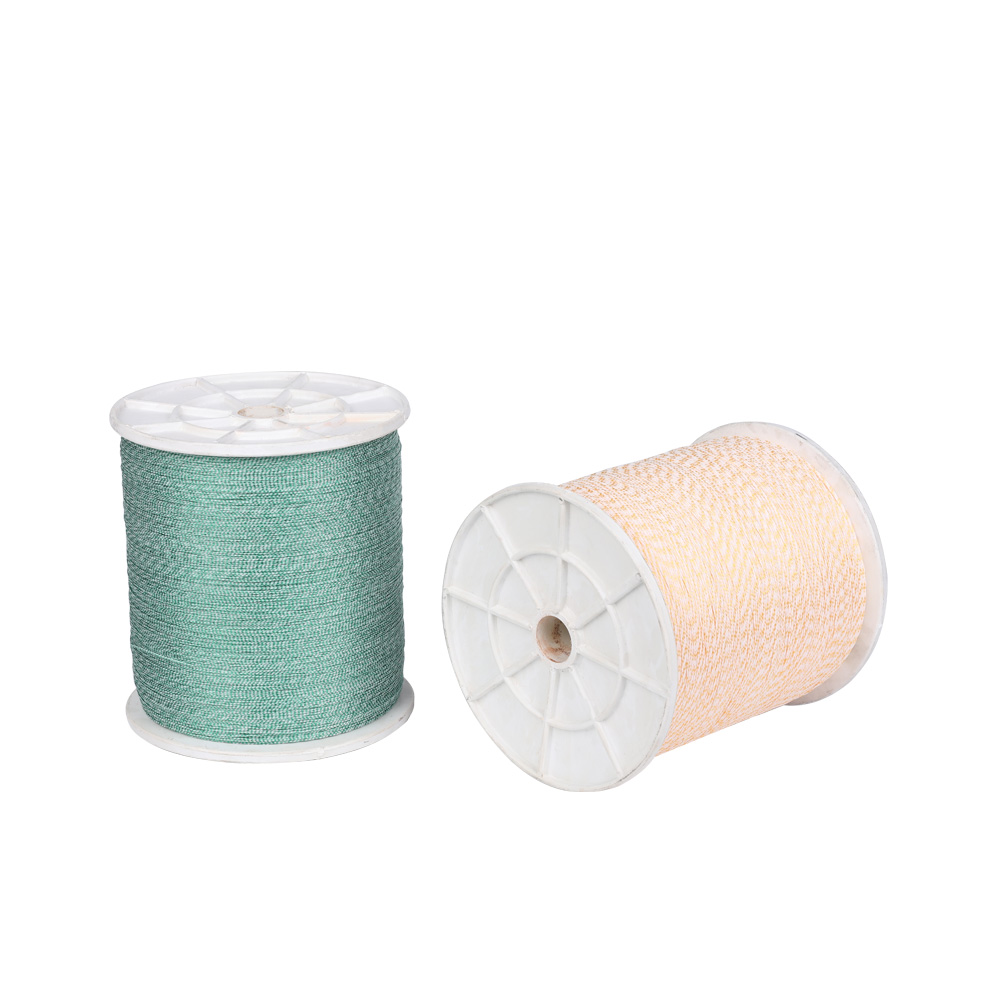
Not all binding wire is interchangeable. Refrigerator compressors operate in hot, humid, and high-vibration environments, so the binding material must withstand heat, moisture, and constant movement. The most common types include heat-resistant fiberglass lacing cord, polyester binding tape, and enamel-coated copper tie-wires. Fiberglass cord is popular for its flexibility and temperature resistance (up to 500°F/260°C), while polyester tape offers strong abrasion resistance. For DIY repairs, it's critical to match the original wire type—using the wrong material can melt, degrade, or fail prematurely under compressor stress.
Key Properties to Look For in Quality Binding Wire
When selecting refrigerator motor binding wire for repair or replacement, prioritize these performance traits:
- Heat resistance: Must handle compressor operating temps (typically 100–150°C / 212–302°F)
- Electrical insulation: Non-conductive to prevent short circuits between windings
- Vibration durability: Won't fray or loosen under constant motor movement
- Moisture resistance: Critical for fridge environments where condensation occurs
- Flexibility: Easy to tie tight knots without breaking during installation
Signs Your Refrigerator Motor Binding Wire Needs Attention
Binding wire failures don't always cause immediate breakdowns, but they often show warning signs. If your fridge compressor sounds louder than usual—like a rattling, buzzing, or grinding noise—it could mean windings are loose due to failed binding. Other red flags include the motor overheating, tripping the overload protector frequently, or the fridge struggling to maintain temperature. In severe cases, you might smell burning insulation or see visible wire fraying if the compressor housing is opened. Catching binding wire issues early can prevent costly compressor replacements, so don't ignore unusual sounds or performance drops.
How to Safely Replace Refrigerator Motor Binding Wire
Replacing binding wire in a refrigerator motor is an advanced repair that requires electrical safety knowledge and compressor disassembly skills. If you're qualified, start by unplugging the fridge and recovering refrigerant properly (never vent to atmosphere). Once the compressor is accessible, carefully document the original winding layout before removing old binding. Use heat-resistant fiberglass lacing cord or manufacturer-specified material, and tie secure, tight knots that won't slip under vibration. After re-binding, test winding resistance and insulation integrity with a multimeter before reassembly. For most homeowners, this job is best left to certified appliance technicians—improper binding can cause motor failure or safety hazards.
| Step | Action | Safety Note |
| 1. Power Down | Unplug fridge, shut off circuit | Prevents electric shock |
| 2. Recover Refrigerant | Use EPA-certified recovery machine | Never release refrigerant illegally |
| 3. Document Windings | Photo or sketch original layout | Ensures correct reassembly |
| 4. Replace Binding | Use heat-resistant cord, tight knots | Avoid over-tightening to prevent wire damage |
| 5. Test Before Reassembly | Check resistance and insulation | Prevents short circuits on restart |
Common Mistakes When Working with Fridge Motor Binding Wire
Even experienced DIYers can make critical errors with refrigerator motor binding wire. One big mistake: using regular string or electrical tape instead of heat-rated binding material—these melt or degrade quickly inside a hot compressor. Another error: tying loose knots that vibrate free during operation, allowing windings to shift and short. Some also forget to test insulation resistance after re-binding, risking a grounded motor on startup. And perhaps most dangerously, attempting compressor work without proper refrigerant handling certification can violate environmental laws and create safety hazards. When in doubt, consult a professional—your fridge's longevity and your safety depend on getting this small part right.
- Never substitute household string or tape for rated binding wire
- Always tie secure, vibration-proof knots—test by gently tugging
- Test electrical integrity before re-energizing the compressor
- Follow EPA guidelines for refrigerant handling—certification required
- When unsure, partner with a certified appliance repair technician
Preventive Care: Extending the Life of Your Compressor Binding
While you can't directly service binding wire without opening the compressor, you can take steps to reduce stress on this critical component. Keep your fridge well-ventilated to prevent the compressor from overheating—clean condenser coils every 6 months and ensure at least 2 inches of clearance around the unit. Avoid overloading the fridge, which forces the compressor to run longer cycles and increases vibration wear. If you notice unusual noises early, address them before binding wire fails completely. Regular maintenance won't replace binding wire, but it can significantly extend the time between major repairs, keeping your refrigerator running smoothly for years longer.