English
 中文简体
中文简体

Content
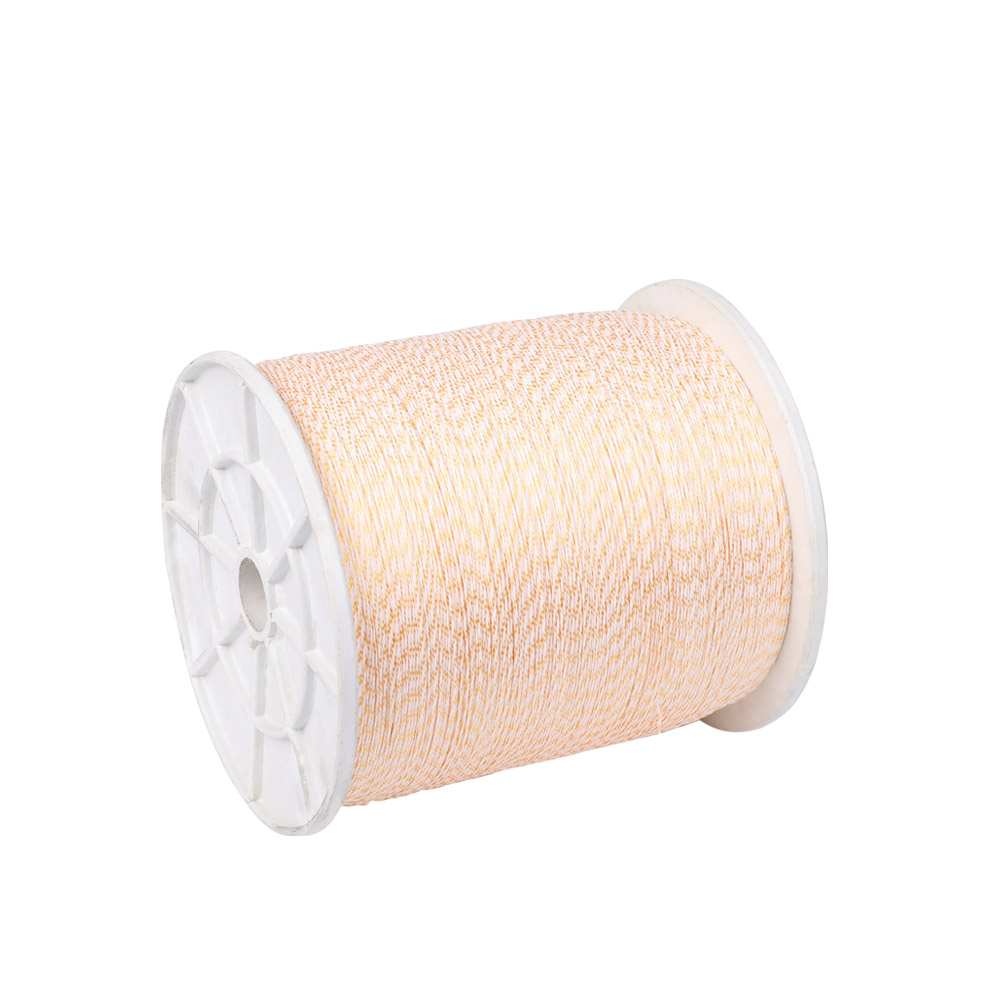
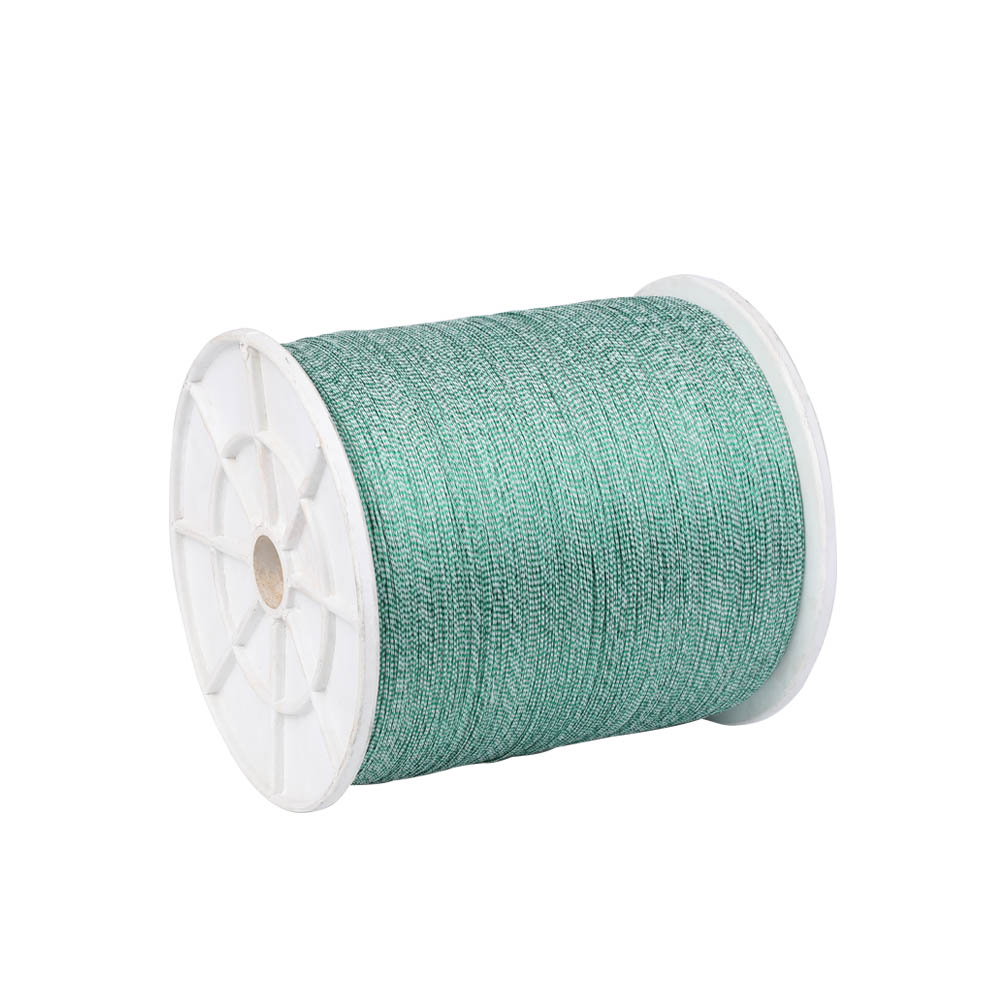
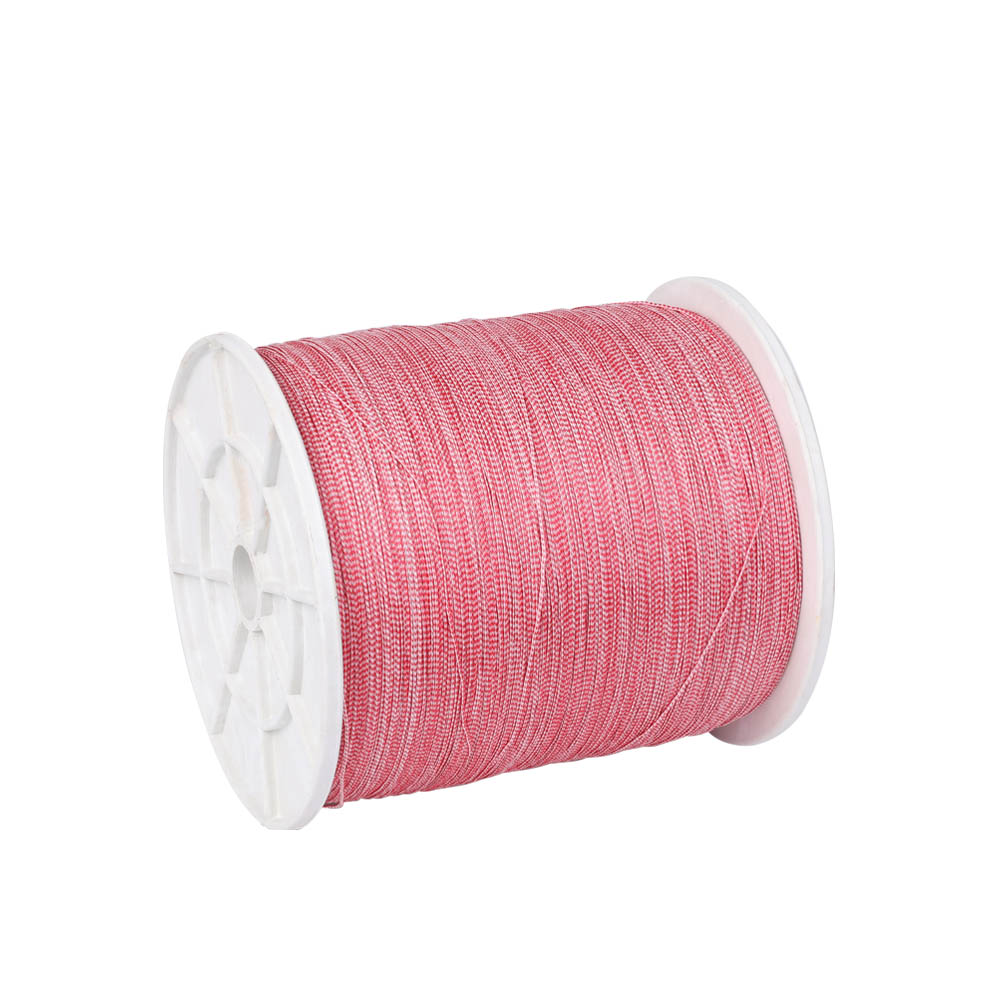
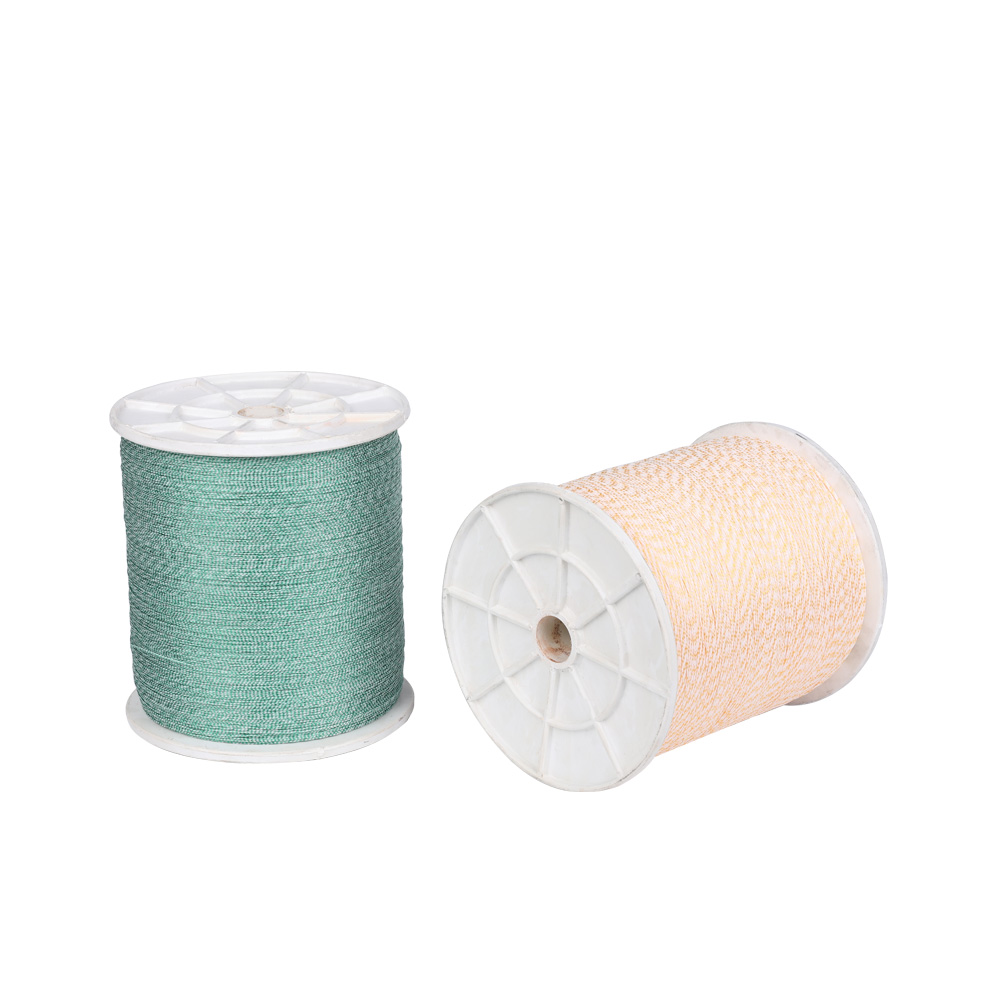
Refrigerator Motor Binding Wire: What It Is and How to Choose the Right One
Refrigerator Motor Binding Wire plays a crucial role in the performance and durability of refrigerator compressors and motors. It is specifically designed to bind, secure, and insulate motor windings, ensuring stable operation under high temperature, vibration, and long working hours. In this guide, we’ll break down what this wire does, the materials used, and how to select the best option for your application.
What Is Refrigerator Motor Binding Wire?
Refrigerator motor binding wire is a specialized insulating and binding material used to wrap and secure motor coils inside refrigeration compressors. It helps maintain the structural integrity of windings during operation, preventing loosening, vibration damage, and electrical faults.
Typically, this wire is made from high-temperature resistant fibers such as polyester, glass fiber, or aramid, often coated with adhesive or insulating varnish to improve bonding and insulation properties.
Key Functions in Refrigerator Motors
- Secures motor windings firmly to prevent displacement during operation
- Provides electrical insulation between winding layers
- Enhances resistance to vibration and mechanical stress
- Improves thermal stability in high-temperature environments
- Extends the service life of compressors and motors
Common Types of Binding Wire Materials
Polyester Binding Wire
Polyester-based binding wire is widely used due to its good balance between cost and performance. It offers decent heat resistance and mechanical strength, making it suitable for standard refrigerator motors.
Glass Fiber Binding Wire
Glass fiber binding wire provides excellent heat resistance and insulation properties. It is often used in high-performance or heavy-duty compressors where higher operating temperatures are expected.
Aramid Fiber Binding Wire
Aramid fiber (such as Kevlar-type materials) offers superior strength, heat resistance, and durability. It is ideal for premium refrigerator motors requiring long-term reliability.
Technical Parameters to Consider
| Parameter | Description | Typical Range |
| Temperature Resistance | Maximum operating temperature | 130°C – 220°C |
| Tensile Strength | Resistance to breaking under tension | High |
| Adhesive Coating | Pre-applied bonding layer | Optional |
| Insulation Class | Electrical insulation rating | Class B to Class H |
How to Choose the Right Refrigerator Motor Binding Wire
Match Temperature Requirements
Always select a binding wire that can withstand the motor’s operating temperature. For high-efficiency compressors, choose materials with higher thermal ratings like glass fiber or aramid.
Consider Mechanical Strength
Strong tensile properties are essential to keep windings secure under vibration. Weak materials may loosen over time, leading to motor failure.
Check Adhesive Properties
Some binding wires come with heat-activated adhesive coatings that improve bonding during assembly. This can simplify manufacturing and improve consistency.
Evaluate Insulation Performance
Proper insulation prevents short circuits and ensures safe operation. Make sure the wire meets the required insulation class for your application.
Application Process in Motor Manufacturing
The application of refrigerator motor binding wire is typically integrated into the motor winding and assembly process. Proper handling ensures optimal performance.
- Wrap the binding wire tightly around motor windings
- Apply consistent tension to ensure uniform binding
- Heat or cure if adhesive-coated wire is used
- Inspect for loose ends or uneven wrapping
Common Mistakes to Avoid
- Using low-temperature wire in high-heat environments
- Insufficient tension during wrapping, leading to loose windings
- Ignoring insulation class requirements
- Selecting materials based only on cost rather than performance
Conclusion
Refrigerator Motor Binding Wire is a small but essential component that significantly impacts motor reliability and lifespan. By understanding material options, technical parameters, and proper application methods, manufacturers and engineers can ensure consistent performance and reduce the risk of failure. Choosing the right binding wire ultimately leads to more efficient and durable refrigeration systems.