English
 中文简体
中文简体

Water pump motor binding wire is one of those components that almost nobody thinks about until something goes wrong. When a pump motor burns out, overheats, or loses efficiency, the winding wire is often the root cause — or at least a major contributing factor. Whether you are rewinding a failed pump motor, manufacturing new motors, or sourcing wire for a repair shop, understanding binding wire specifications, material differences, and selection criteria makes the difference between a motor that lasts years and one that fails in months. This guide covers everything you need to know in practical terms.
Content
- 1 What Is Water Pump Motor Binding Wire?
- 2 Types of Binding Wire Used in Pump Motors
- 3 Insulation Classes and Why They Matter for Pump Motor Wire
- 4 Wire Gauge Selection for Pump Motor Windings
- 5 Why Pump Motor Winding Wire Fails
- 6 How to Select the Right Binding Wire for Pump Motor Rewinding
- 7 Comparing Copper vs. Aluminum Pump Motor Winding Wire
- 8 Sourcing Pump Motor Binding Wire: What to Look for in a Supplier
- 9 The Bottom Line on Water Pump Motor Binding Wire
What Is Water Pump Motor Binding Wire?
Water pump motor binding wire — also called motor winding wire, coil wire, or magnet wire — is the insulated conductive wire wound in precise coil patterns inside the stator of an electric motor. When electrical current flows through these coils, they generate a rotating magnetic field that drives the motor's rotor and, by extension, the pump impeller. The binding wire is the core functional element of the entire electromagnetic system; without it, there is no motor.
The term "binding wire" in the motor context refers specifically to the wire used in the stator windings — the stationary coil assembly that surrounds the rotor. In water pump motors, this wire must handle continuous electrical load, resist heat generated by resistive losses, withstand moisture and humidity in the operating environment, and maintain its insulation integrity over years of operation. These are demanding requirements, and the wire specification has to meet all of them simultaneously.
In submersible pump motors, the challenge is even greater. The entire motor operates submerged in water, which means the winding wire insulation must be hermetically sound and resistant to water ingress over the full service life of the motor — typically designed for 5,000 to 15,000 hours of operation depending on the motor grade and application.
Types of Binding Wire Used in Pump Motors
Not all motor winding wire is the same. The type of wire selected for a pump motor determines its thermal performance, electrical efficiency, and service life. Here are the main categories:
Enameled Copper Wire (Magnet Wire)
Enameled copper wire is the standard choice for water pump motor windings worldwide. It consists of a bare copper conductor coated with a thin, continuous layer of insulating enamel — typically polyester, polyurethane, polyesterimide, or polyamide-imide resin. The enamel layer is applied in multiple passes and baked at high temperature to form a tough, pin-hole-free insulating film. The result is a wire that carries maximum current through the minimum cross-sectional area, allowing motor designers to pack more turns into a given slot volume for higher output.
Copper's electrical conductivity is 5.8 × 10⁷ S/m — the highest of any practical conductor after silver — which means copper winding wire produces the lowest resistive heat per ampere of any available option. For a continuously running pump motor, this directly translates to lower operating temperature, better efficiency, and longer insulation life. The overwhelming majority of quality pump motor binding wire is enameled copper.
Aluminum Winding Wire
Aluminum winding wire is used in some lower-cost motor manufacturing as a substitute for copper. Aluminum has roughly 61% of copper's conductivity, which means an aluminum winding wire must be larger in diameter to carry the same current without excess resistive loss. This increases the wire volume per coil, reduces the number of turns that can fit in the stator slot, and generally produces a less efficient, hotter-running motor than an equivalent copper-wound design.
Aluminum winding wire is used where cost reduction is the overriding priority. It is significantly lighter than copper and substantially cheaper on a per-kilogram basis. However, for water pump motors — particularly submersible types where heat dissipation is constrained — aluminum winding wire is a compromise that reduces motor life and reliability. Rewinding a motor with aluminum wire that was originally wound with copper is generally not recommended.
Fiber-Insulated and Paper-Covered Wire
Older motor designs and some specialty applications use winding wire with fiber, cotton, or paper insulation rather than enamel. These are now largely obsolete in modern pump motor manufacturing, replaced by enamel coatings that offer thinner, more consistent insulation with superior thermal ratings. However, repair technicians working on older pump motors may encounter fiber-covered wire in the original winding. When rewinding such motors, the replacement wire should be enamel-coated wire of the appropriate thermal class — do not simply replicate the original insulation type with modern wire sourcing.
Insulation Classes and Why They Matter for Pump Motor Wire
The insulation coating on motor winding wire is rated according to the maximum temperature it can withstand continuously without degradation. This rating system — defined by IEC 60085 and equivalent standards — classifies motor winding wire insulation into thermal classes. Selecting the correct insulation class for a pump motor application is critical: underspecified insulation degrades rapidly, leading to inter-turn shorts, ground faults, and motor burnout.
| Insulation Class | Max Temperature | Typical Enamel Type | Common Application |
| Class A | 105°C | Oleoresinous enamel | Obsolete / legacy motors only |
| Class E | 120°C | Polyurethane | Light-duty pump motors |
| Class B | 130°C | Polyester | General purpose pump motors |
| Class F | 155°C | Polyesterimide | Standard industrial pump motors |
| Class H | 180°C | Polyamide-imide (PAI) | Heavy-duty and submersible motors |
| Class C | Above 180°C | Specialty ceramics / PTFE | Extreme duty / high-temperature applications |
For most water pump motor rewinding applications, Class F (155°C) polyesterimide wire is the minimum recommended specification. Class H wire is the preferred choice for submersible pump motors, high-duty-cycle applications, and any motor that operates in a thermally constrained environment. Using Class B wire in a motor application that generates Class F temperatures reduces insulation life dramatically — insulation life approximately halves for every 10°C of sustained overtemperature exposure, a principle known as the Arrhenius rule of thumb in motor engineering.
Wire Gauge Selection for Pump Motor Windings
Wire gauge — the diameter of the copper conductor — is the other critical specification alongside insulation class. In motor winding wire, gauge is typically specified in millimeters (conductor diameter) or in Standard Wire Gauge (SWG) depending on the regional convention. The gauge determines the wire's current-carrying capacity and the number of turns that can be wound into each stator slot.
The relationship between wire gauge and motor performance is a balancing act. Thicker wire carries more current with less resistive loss but occupies more space per turn, limiting the number of turns in the winding and reducing the motor's inductance. Thinner wire allows more turns in the same slot, increasing inductance and enabling higher voltage operation, but increases resistive loss per turn. Motor designers calculate the correct gauge as part of the original electromagnetic design — when rewinding a motor, replicating the original wire gauge exactly is essential to maintaining the motor's designed performance characteristics.
Using wire that is thinner than the original specification increases winding resistance, raises operating temperature, and reduces motor efficiency. Using wire that is thicker than specified may prevent the correct number of turns from fitting in the slot, altering the motor's electrical characteristics. In both cases, the rewound motor will not perform to its original specification.
Common Wire Gauges for Pump Motor Applications
Pump motors span a wide range of power ratings, from fractional-horsepower domestic water pumps to multi-kilowatt industrial and agricultural pumps. Wire gauge selection varies accordingly:
- 0.2mm – 0.4mm diameter: Used in small domestic pump motors and fractional-horsepower applications. Fine wire, many turns per coil, requires careful handling during winding to avoid insulation damage.
- 0.5mm – 0.8mm diameter: Common in mid-range domestic and light commercial pump motors in the 0.5–1.5kW range. The most frequently encountered gauge range in pump motor repair shops.
- 0.9mm – 1.2mm diameter: Used in larger single-phase and three-phase pump motors in the 1.5–5kW range. Wire is stiff enough to require more controlled winding tension.
- 1.5mm – 2.5mm diameter and above: Found in heavy-duty industrial pump motors and large agricultural pump sets. At this gauge, individual wires are sometimes replaced with flat (rectangular) conductors to improve slot fill factor.
Why Pump Motor Winding Wire Fails
Understanding the failure modes of motor coil wire helps diagnose what went wrong with a burned motor and informs both the rewinding specification and any operational changes needed to prevent recurrence. The main causes of pump motor winding failure are:
- Thermal overload: The most common cause. When a pump motor runs under overload — due to a seized impeller, incorrect system resistance, or prolonged operation against a closed valve — current rises above the rated value and resistive heating exceeds what the insulation can handle. The enamel cracks, becomes brittle, and eventually fails, causing inter-turn shorts or ground faults. Visible signs include discolored (brown to black) windings and a characteristic burnt smell.
- Moisture ingress: In submersible pump motors, seal failure allows water into the motor cavity. Water contamination dramatically reduces insulation resistance, leading to ground faults and winding failure. Even in surface-mounted pump motors, condensation in high-humidity environments can degrade insulation over time, particularly if the motor operates intermittently and goes through repeated thermal cycling.
- Voltage imbalance and phase loss: In three-phase pump motors, voltage imbalance between phases causes unequal current distribution, overheating one or more windings while the others operate normally. A phase loss condition — where one of the three supply phases is lost — causes the remaining two windings to carry the full load, rapidly overheating the motor. Single-phasing is one of the most destructive conditions for three-phase pump motor windings.
- Voltage surges and transients: High-voltage transients — from switching operations, lightning strikes, or variable frequency drive (VFD) misapplication — stress the inter-turn insulation in ways that gradual thermal degradation does not. Turn-to-turn insulation failure caused by voltage spikes typically appears as a localized burnout in one section of the winding rather than the generalized discoloration associated with thermal overload.
- Mechanical damage during rewinding: Insulation damage introduced during the winding process itself — from winding tension that is too high, sharp slot edges that nick the enamel, or rough handling — creates weak points that fail under electrical stress during operation. This type of failure typically occurs early in the motor's service life after rewinding.
- Substandard wire quality: Low-quality motor winding wire with inconsistent enamel thickness, pin holes in the insulation, or incorrect alloy composition fails earlier than specification. This is a significant problem when sourcing wire from non-verified suppliers — visually, substandard wire is indistinguishable from quality wire until it fails in service.
How to Select the Right Binding Wire for Pump Motor Rewinding
When rewinding a water pump motor, every specification decision should start with the original motor design data. If the original winding data is available — from a nameplate, original drawings, or a winding data book — use it as the baseline. If the original data is not available, the winding must be carefully documented before stripping the old coils. Here is a systematic approach to wire selection:
Step 1: Document the Original Winding
Before removing the failed winding, measure and record the wire diameter using a calibrated micrometer — measure the conductor diameter without insulation by scraping a section clean. Count the number of turns per coil in at least one undamaged coil. Note the number of coils per pole group, the coil pitch, and the connection arrangement. Photograph the end windings and connection layout thoroughly. This data is your specification for the replacement winding.
Step 2: Determine the Required Insulation Class
Identify the motor's rated ambient temperature and duty cycle. For most water pump applications, Class F (155°C) is the minimum safe specification — it provides adequate thermal margin above the Class B (130°C) temperature at which many pump motors operate under normal load. If the motor is a submersible type, operates continuously, or has a history of thermal overload, specify Class H (180°C) wire for the rewind. The incremental cost of upgrading from Class F to Class H wire is minor compared to the labor cost of rewinding a motor that fails prematurely due to thermal degradation.
Step 3: Verify Wire Quality Before Committing to a Supplier
Wire quality is not reliably indicated by price alone. When evaluating a motor winding wire supplier, look for the following:
- Conductor purity: Quality enameled copper winding wire uses electrolytic tough pitch (ETP) copper or oxygen-free copper with a minimum purity of 99.9%. Impurities reduce conductivity and increase resistive losses.
- Enamel continuity testing: Reputable wire manufacturers test each production batch for enamel pin holes using a high-voltage continuity test per IEC 60851. Ask for test certification data — it should accompany quality wire shipments.
- Dimensional consistency: Conductor diameter should be within ±1% of the nominal value across the entire coil length. Inconsistent diameter causes irregular slot fill and uneven current distribution in the winding.
- Adherence and flexibility: Quality winding wire enamel should not crack or flake when the wire is wound at the minimum bend radius specified for the motor's slot geometry. Test a sample by winding it tightly around a mandrel of the appropriate diameter — good enamel remains intact without cracking.
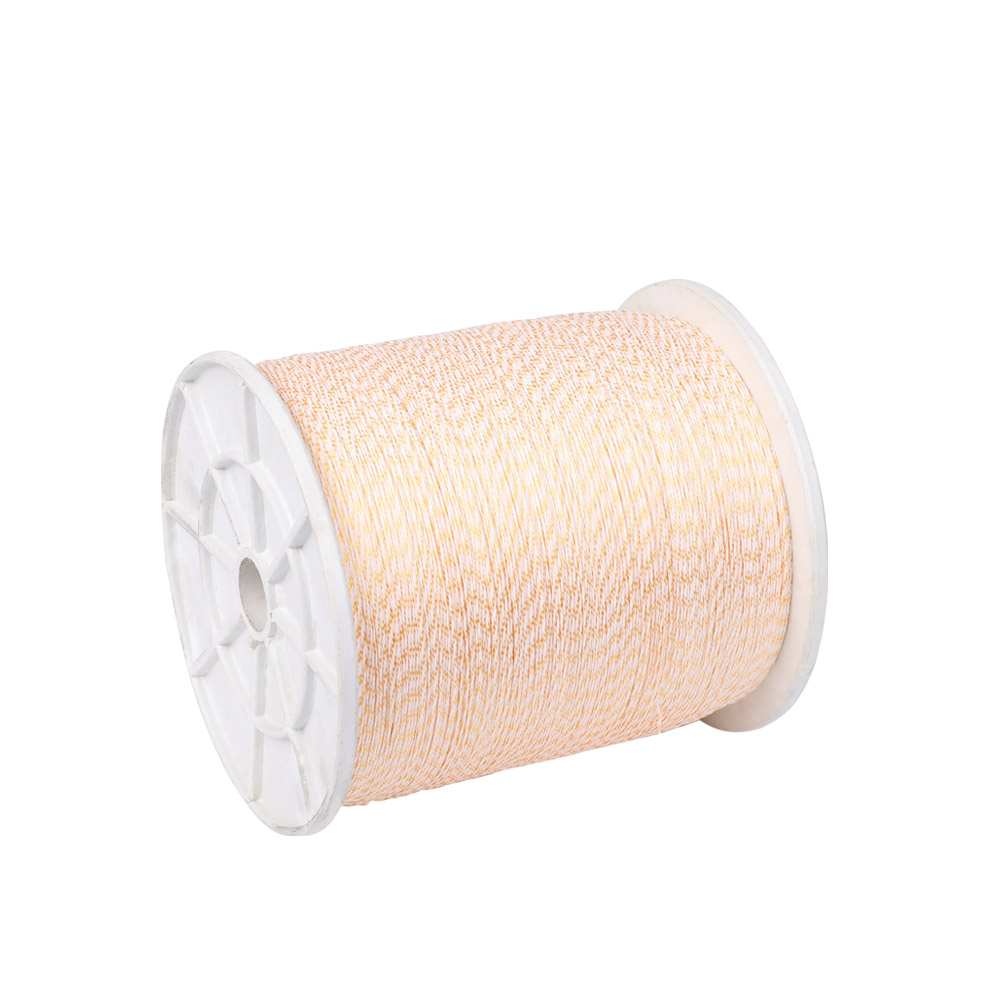
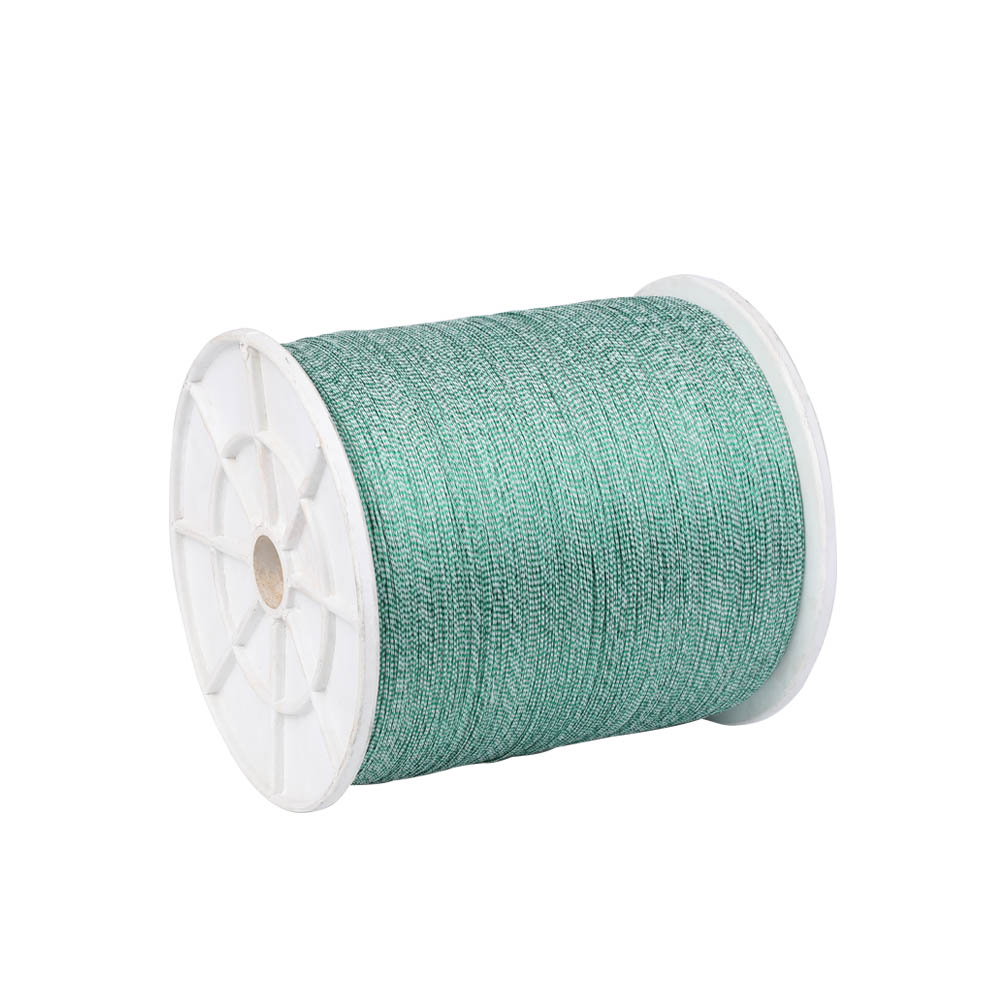
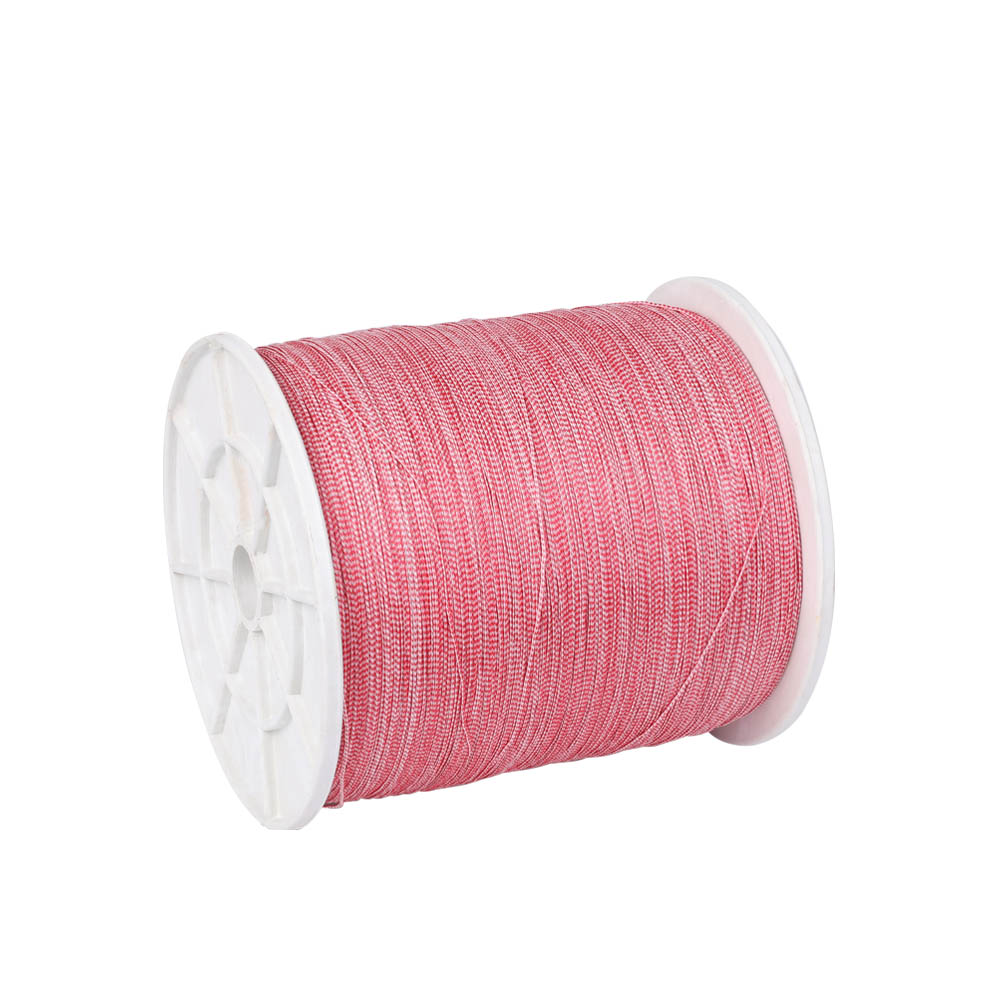
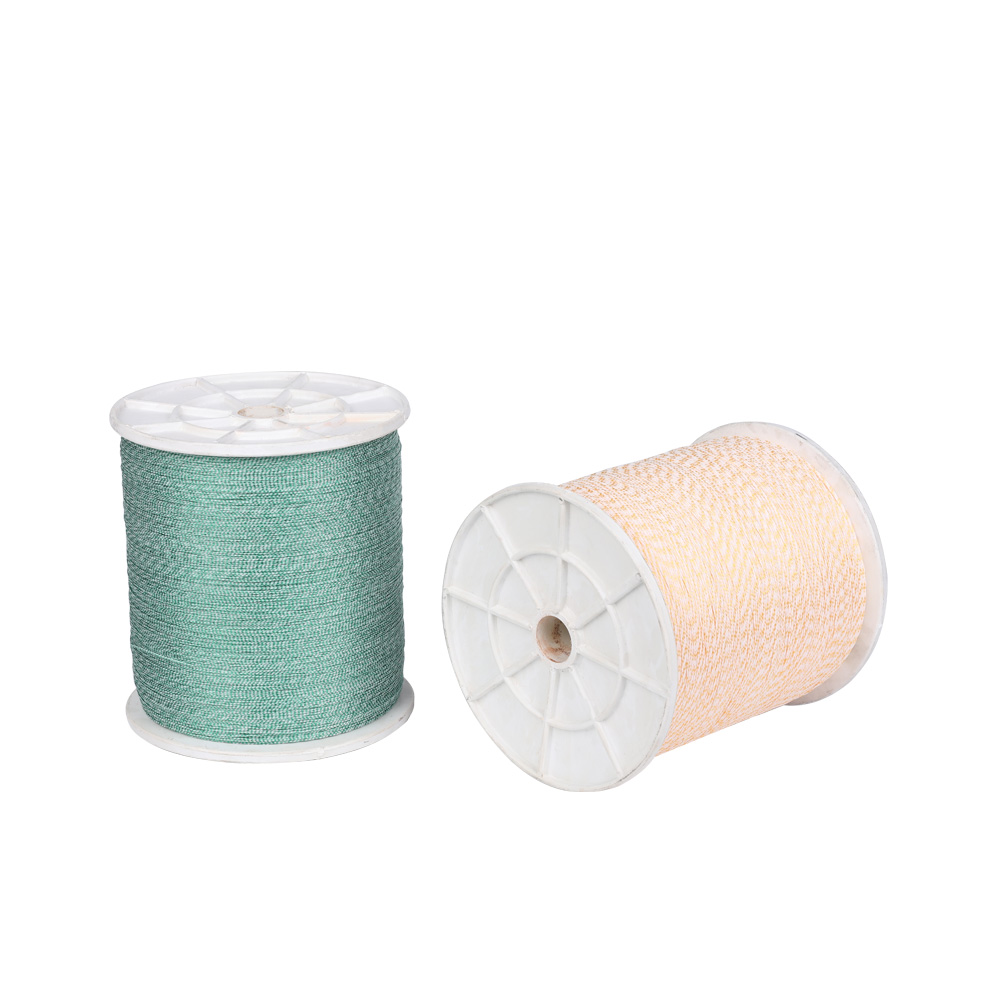
- Spool packaging: Wire supplied on well-wound, tangle-free spools feeds cleanly through a winding machine or by hand without kinking. Poorly packaged wire causes winding defects and wastes time during the rewinding process.
Comparing Copper vs. Aluminum Pump Motor Winding Wire
For buyers who encounter both options in the market, here is a direct comparison of the key parameters:
| Property | Copper Winding Wire | Aluminum Winding Wire |
| Electrical Conductivity | 100% (reference) | ~61% of copper |
| Resistive Loss | Lower — runs cooler | Higher — generates more heat |
| Wire Size for Same Current | Smaller diameter | ~1.28× larger diameter needed |
| Weight | Heavier | ~30% lighter |
| Material Cost | Higher | Lower |
| Motor Efficiency | Higher | Lower for equivalent design |
| Suitability for Submersible Pumps | Preferred | Not recommended |
| Corrosion Resistance | Good | Oxidizes more readily |
For any serious pump motor application — agricultural pumps, industrial water supply, submersible borehole pumps — copper winding wire is the correct specification. The efficiency advantage, lower operating temperature, and longer insulation life consistently outweigh the higher material cost over the motor's service life.
Sourcing Pump Motor Binding Wire: What to Look for in a Supplier
For motor repair workshops, motor manufacturers, and procurement teams sourcing pump motor coil wire at volume, supplier selection is a critical quality decision. The wire's external appearance gives almost no information about its actual quality — poor-quality wire looks identical to good wire until it fails inside a motor. Here is what to evaluate:
- Certifications and standards compliance: Look for wire manufactured to IEC 60317 (the international standard for specifications of particular types of winding wires) or equivalent national standards. ISO 9001-certified manufacturing provides an additional quality system baseline. Ask for the specific IEC 60317 part number that covers the wire type you are purchasing — for example, IEC 60317-13 covers polyesterimide enameled copper round wire.
- Test reports and batch traceability: Reputable manufacturers supply test reports with each batch, showing conductor diameter, resistance per unit length, breakdown voltage, and thermal class. Batch traceability — the ability to trace a spool back to its production lot — is important for quality management in motor manufacturing environments.
- Consistent supply of the gauge range you need: Motor repair shops typically work across a range of wire gauges. A supplier who can reliably supply the complete gauge range you use from a single source simplifies procurement and ensures consistent quality across your wire stock.
- Spool sizes matched to your usage: Motor winding wire is typically supplied on spools ranging from 0.5kg to 25kg. High-volume users benefit from larger spool sizes that reduce changeover frequency and per-kilogram cost. Repair shops handling diverse jobs may prefer smaller spools of multiple gauges to minimize waste.
- Direct manufacturer sourcing vs. distribution: Sourcing directly from a wire manufacturer eliminates distributor markup and provides direct access to quality documentation and technical support. For volume purchasers, direct sourcing also allows specification customization — specific enamel grades, conductor alloy, or dual-coated (Grade 2) insulation — that may not be available through general distribution channels.
The Bottom Line on Water Pump Motor Binding Wire
Water pump motor binding wire is a small component with an outsized impact on motor performance and service life. Getting the specification right — correct gauge, correct insulation class, correct conductor material — is the foundation of any successful motor rewinding job or new motor manufacturing program. Compromising on wire quality to save a small amount on material cost typically produces a motor that fails earlier, requires another costly rewind, and may damage other system components when it does fail.
The practical guidance is straightforward: specify enameled copper wire as a baseline, use Class F as the minimum thermal class for any pump motor rewind, upgrade to Class H for submersible or high-duty-cycle applications, replicate the original gauge exactly, and source from suppliers who can provide documented test data for their wire. These decisions cost little in practice and produce motors that run reliably for their full designed service life — which is exactly what any pump motor installation should deliver.