English
 中文简体
中文简体

Content
- 1 What Air Conditioner Motor Binding Wire Actually Does
- 2 Where Binding Wire Is Used Inside an AC Motor
- 3 Types of Air Conditioner Motor Binding Wire
- 4 Key Material and Electrical Specifications That Matter
- 5 Compatibility with Varnish Impregnation Processes
- 6 How to Select the Right Binding Wire for Your AC Motor Application
- 7 What Goes Wrong When the Wrong Binding Wire Is Used
- 8 Standards and Quality Checks for Binding Wire Procurement
What Air Conditioner Motor Binding Wire Actually Does
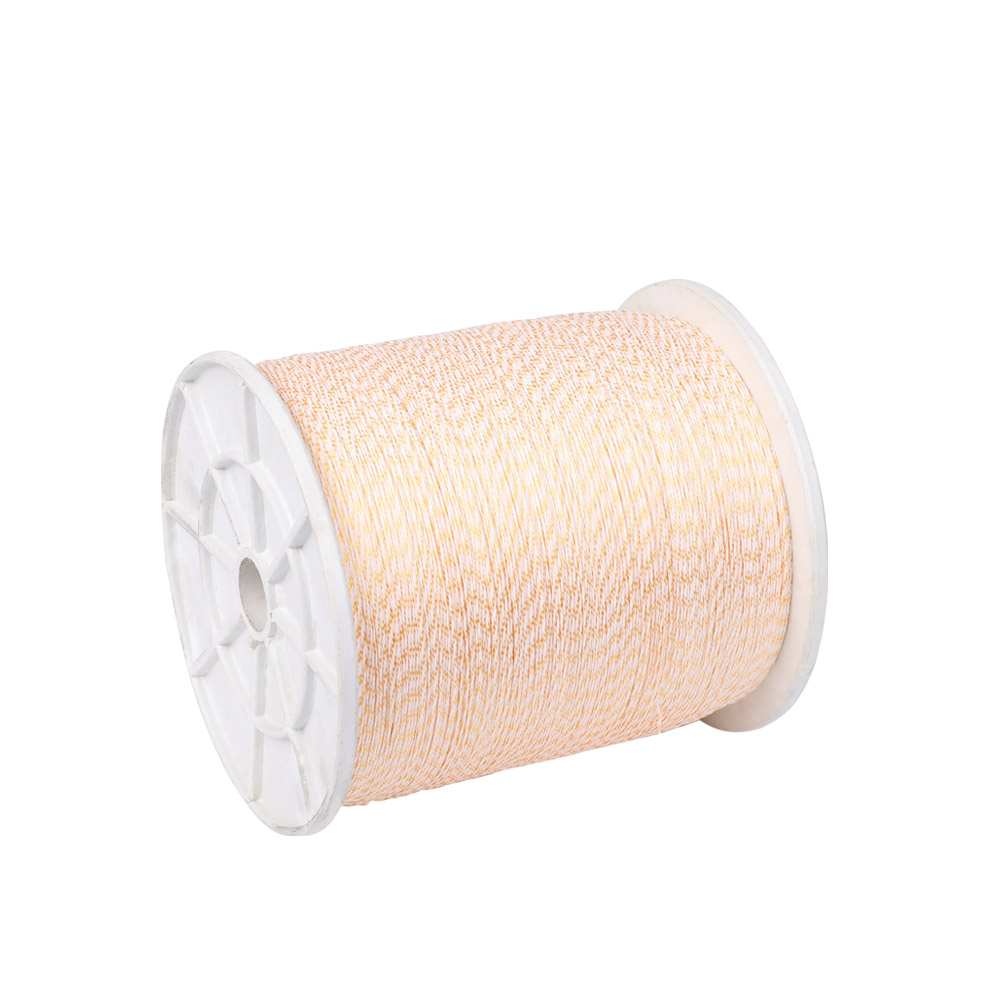
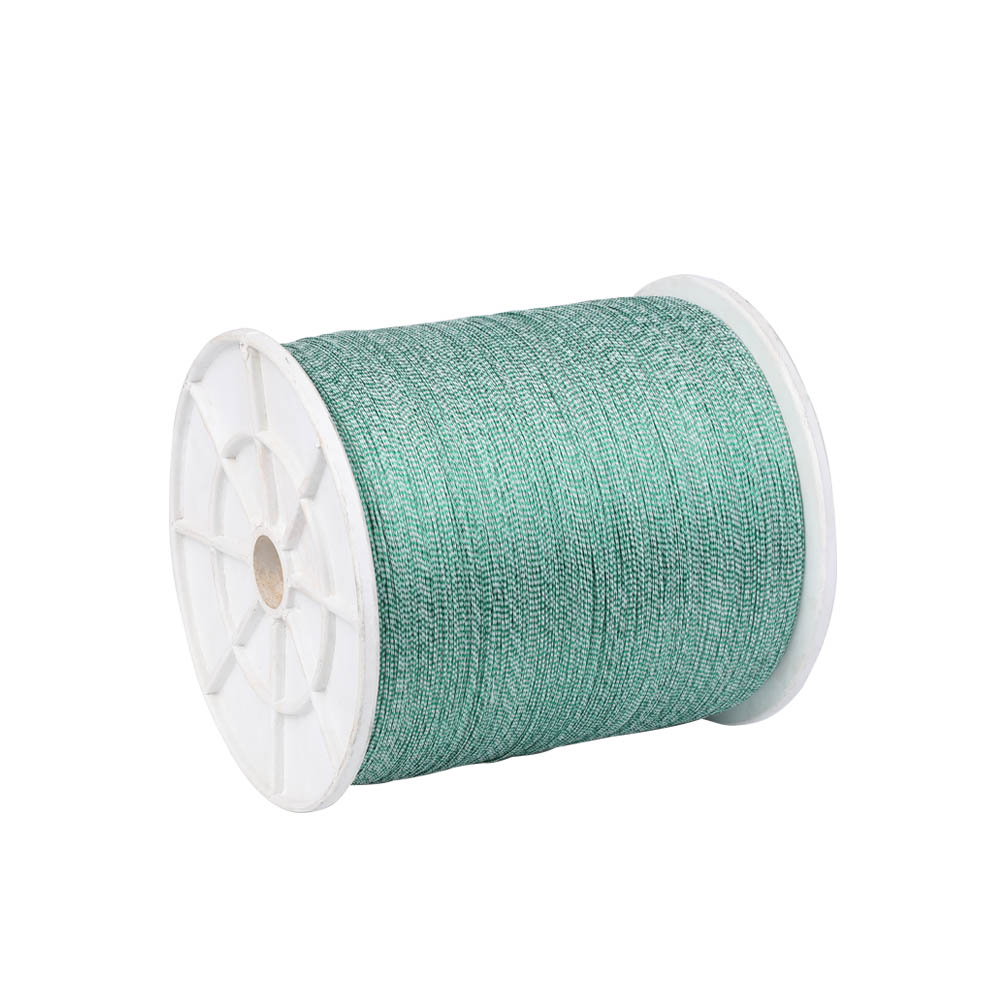
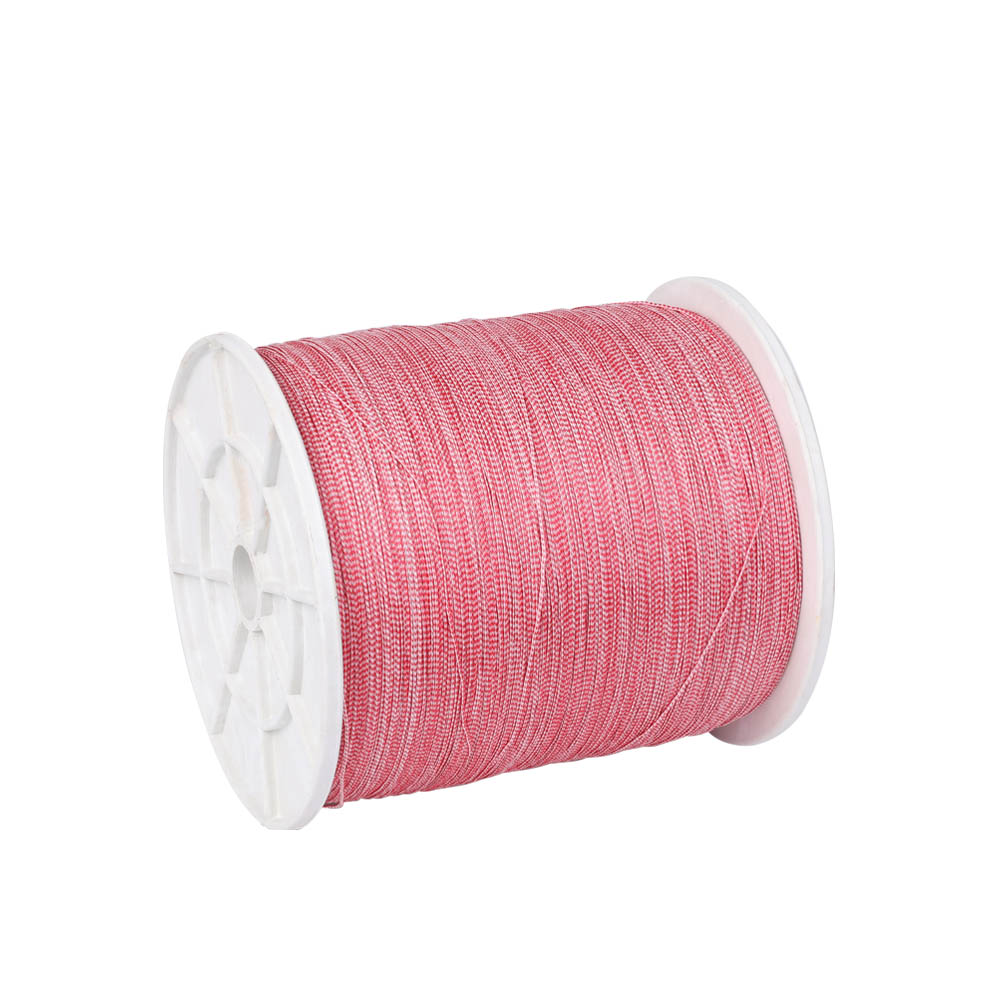
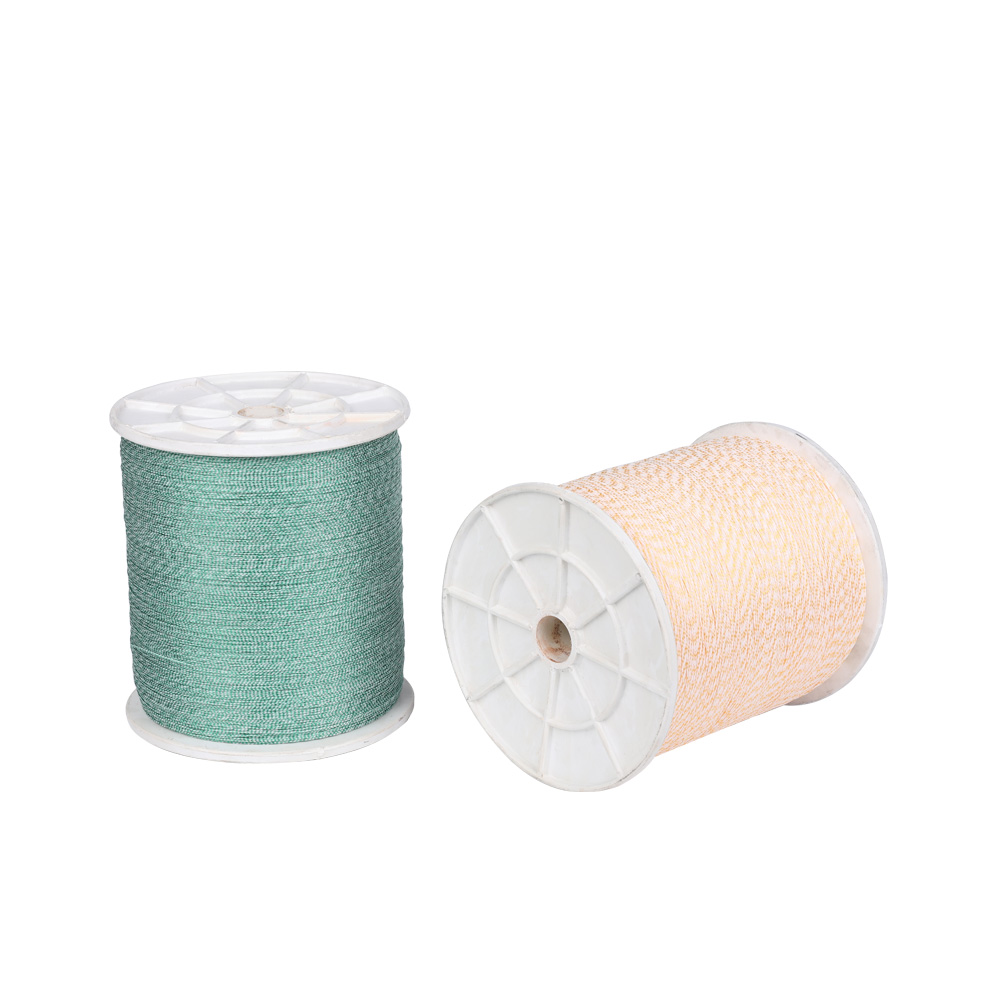
Air conditioner motor binding wire is a specialized insulated wire used to secure, bundle, and mechanically stabilize the coil windings inside AC motors — including the fan motors, compressor motors, and blower motors that make up the core of residential, commercial, and industrial air conditioning systems. Its primary function is not electrical conduction but mechanical retention: it holds the individual coil groups, winding overhangs, and lead wire assemblies firmly in position so they cannot shift, vibrate, or chafe against each other or against the stator core during operation.
Inside any AC motor, the stator windings are wound under tension and arranged in precise geometric relationships that determine the motor's electromagnetic performance. Once wound, these coils are subject to continuous electromagnetic forces, thermal cycling, and mechanical vibration throughout the motor's operating life. Without adequate binding, the winding overhangs — the portions of the coil that extend beyond the stator core at each end — can flex, loosen, and eventually abrade against adjacent components, leading to insulation breakdown, inter-turn short circuits, and ultimately motor failure. AC motor binding wire prevents this by lashing the coil ends and lead wires into a rigid, consolidated assembly that moves as a unit rather than as individual conductors subject to independent vibration.
In the specific context of air conditioner motors, binding wire must also tolerate the thermal environment created by continuous-duty operation in a refrigerant-adjacent or direct-air environment, as well as the electrical environment of a winding that may reach temperatures of 130°C or higher under peak load conditions. This combination of mechanical, thermal, and electrical demands makes the selection of the right motor coil binding wire far more consequential than it might appear from the outside of the finished motor.
Where Binding Wire Is Used Inside an AC Motor
To understand why binding wire specification matters, it helps to identify the specific locations within an AC motor where it is applied and what mechanical and electrical stresses each location presents.
Winding Overhang Binding
The winding overhang is the portion of each coil that extends beyond the stator lamination stack at both the drive end and the non-drive end of the motor. These overhangs are the most mechanically vulnerable part of the winding because they are unsupported by the stator core and can deflect freely under vibration or electromagnetic force. Binding wire is lashed circumferentially around the entire overhang bundle — typically in multiple rows and at multiple axial positions — to consolidate the individual coil ends into a rigid ring that resists radial and axial movement. In larger HVAC motor stator assemblies, this binding is supplemented with blocking and bracing materials, but the initial lashing with motor stator binding wire is the foundational step that establishes the geometry of the overhang assembly.
Lead Wire and Connection Point Securing
The connection points where the main winding conductors transition to the motor's external lead wires are mechanical stress concentration points. Any relative movement between the stator winding and the external leads — caused by vibration, thermal expansion, or handling during installation — creates bending fatigue at these joints that can fracture the conductor or crack the insulation. Coil lashing wire is used to bind the lead wires back against the winding overhang or to secure them to designated lead support brackets, eliminating the independent movement that causes this fatigue. The binding at these locations must be especially secure and chemically compatible with any varnish or potting compound applied during subsequent impregnation steps.
Inter-Phase Insulation and Barrier Securing
In multi-phase AC motors used in commercial and industrial air conditioning compressors, insulation barriers — typically polyester film or aramid paper — are inserted between phase groups to prevent inter-phase voltage breakdown. These barriers must be held in position during the varnish impregnation process and throughout the motor's operating life. Electric motor binding wire is used to lash these barriers in place as part of the overall winding consolidation step, ensuring that they remain correctly positioned even if the surrounding winding moves slightly during thermal cycling.
Types of Air Conditioner Motor Binding Wire
Several distinct wire types are used for motor binding in air conditioning applications, each with different conductor materials, insulation systems, and performance characteristics. The choice between them is driven by the motor's thermal class, the impregnation process used, and the production method at the winding facility.
| Wire Type | Insulation Material | Thermal Class | Typical Application |
| Polyester Enamelled Binding Wire | Polyester enamel coat | Class B (130°C) | Standard fan and blower motors |
| Polyesterimide Enamelled Wire | Polyesterimide enamel | Class F (155°C) | Compressor motors, high-load HVAC |
| Polyamideimide Overcoat Wire | Polyesterimide + PAI topcoat | Class H (180°C) | Premium inverter-driven compressors |
| Glass Fibre Served Wire | Woven glass fibre braid | Class H–C (180–200°C+) | High-temperature industrial motors |
| Cotton or Polyester Textile Served Wire | Textile fibre serving over enamel | Class A–B (105–130°C) | Legacy designs, hand-wound motors |
In modern air conditioning motor production, polyesterimide and polyamideimide enamelled wires dominate because they combine the mechanical strength needed for machine winding processes with the thermal performance required by higher-efficiency, higher-temperature motor designs. Glass fibre served wire remains relevant in specialist industrial HVAC applications where operating temperatures exceed what enamel insulation systems can sustain reliably over a 20-year service life.
Key Material and Electrical Specifications That Matter
When specifying or sourcing AC motor binding wire for air conditioner motor production or repair, several technical parameters directly affect whether the wire will perform reliably under the stresses of the application. These are the specifications that should be verified against the motor's design requirements before any binding wire is approved for production use.
Conductor Material and Conductivity
The conductor in HVAC motor binding wire is almost universally electrolytic tough-pitch (ETP) copper, which combines the high electrical conductivity needed for the winding application with the ductility required to withstand the bending and lashing operations involved in motor assembly. Conductivity is typically specified as a minimum percentage of the International Annealed Copper Standard (IACS) — a minimum of 99.9% IACS is standard for motor-grade copper. Aluminium conductor binding wires exist for weight-sensitive applications but are rarely used in air conditioner motors because the connection and joining challenges of aluminium in small wire diameters outweigh the weight savings at this scale.
Wire Diameter and Gauge Selection
Binding wire for AC motor applications is typically supplied in diameters ranging from 0.1 mm to 0.8 mm, with the specific diameter selected based on the size of the winding bundle being secured, the lashing tension required, and whether the binding is applied by hand or machine. Finer gauges in the 0.1–0.3 mm range are used for delicate small motor assemblies where the binding wire must be routed through tight spaces between conductors without displacing them. Heavier gauges in the 0.4–0.8 mm range provide greater mechanical security for larger winding overhangs in commercial and industrial air conditioning compressor motors where significant electromagnetic forces act on the winding end turns during starting and fault conditions.
Insulation Thickness and Breakdown Voltage
The insulation on motor coil binding wire must provide adequate dielectric isolation between the binding wire and the conductors it contacts in the winding overhang. IEC 60317 and equivalent national standards define the minimum insulation thickness and breakdown voltage requirements for different wire grades and diameters. For air conditioner motor applications, the binding wire insulation breakdown voltage should be rated at a minimum of twice the motor's line voltage to provide an adequate safety margin — in practice, Grade 2 insulation thickness (two times the minimum single-coat thickness) is standard for motor binding wire used in 230V and 460V AC motor applications.
Thermal Class and Continuous Temperature Rating
The thermal class of the binding wire must match or exceed the thermal class of the motor's overall insulation system. Using a Class B binding wire in a Class F motor insulation system creates a thermal weak point that will degrade faster than the surrounding insulation, potentially initiating failure in the binding region before the main winding insulation reaches end-of-life. As a general rule, binding wire thermal class should be specified one class above the motor's rated insulation class where the additional cost is minimal relative to the reliability benefit — using Class F wire in a Class B motor, for example, adds negligible cost while providing meaningful thermal headroom during temporary overload conditions.
Compatibility with Varnish Impregnation Processes
In most production processes for air conditioner motors, the wound and bound stator assembly undergoes varnish impregnation — either dip-and-bake, vacuum pressure impregnation (VPI), or trickle impregnation — to consolidate the winding, improve thermal conductivity, and provide additional moisture and chemical resistance. The binding wire used in the assembly must be chemically compatible with the impregnation varnish system, because incompatibility can cause the wire insulation to swell, soften, crack, or dissolve during the impregnation and curing cycle, creating insulation defects at precisely the locations where the binding wire contacts the winding conductors.
Polyester and polyesterimide enamelled binding wires are compatible with most standard solventless epoxy and polyester varnish systems used in modern HVAC motor production. However, some older solvent-based varnish systems — particularly those based on alkyd or phenolic resins in aggressive solvent carriers — can attack the enamel insulation of certain binding wire grades. Motor winding facilities should confirm varnish-wire compatibility through coupon testing before introducing a new binding wire supplier or switching varnish systems, rather than discovering the incompatibility during production or after field deployment.
Glass fibre served binding wires are inherently more chemically resistant than enamel-only products and are preferred in facilities using aggressive solvent-based varnish systems or where the impregnation cycle involves high cure temperatures that approach the upper limit of enamel insulation performance. The textile serving also provides a capillary action that can actually improve varnish penetration into the binding region, which is a secondary benefit in applications where thorough impregnation of the overhang binding area is a quality requirement.
How to Select the Right Binding Wire for Your AC Motor Application
Selecting the correct AC motor binding wire for a specific air conditioner motor application involves matching several product characteristics to the motor's design requirements. The following decision framework covers the main selection criteria in the order they should typically be evaluated.
- Identify the motor's insulation system thermal class first. This is the non-negotiable baseline — binding wire thermal rating must meet or exceed the motor insulation class. Check the motor nameplate or design specification for the thermal class designation (A, B, F, H) before selecting any wire product.
- Confirm the operating voltage and required insulation grade. For standard residential AC units operating at 230V single-phase or 460V three-phase, Grade 2 insulation is the standard minimum. For inverter-driven motors that may produce high dV/dt voltage spikes, consider Grade 3 or partial-discharge resistant insulation on the binding wire used in close proximity to the main winding conductors.
- Select wire diameter based on winding bundle size and lashing method. Machine lashing equipment has specific wire diameter ranges it can handle reliably. Hand lashing operations can accommodate a broader range but require finer wire for precision work in tight overhang geometries. Consult the equipment manufacturer's specification if machine binding is used.
- Verify chemical compatibility with your impregnation varnish system. Request chemical compatibility data from your binding wire supplier, or conduct immersion testing by soaking wire samples in your varnish formulation at cure temperature for the standard cure duration and inspecting for insulation degradation before approving the wire for production.
- Consider the operating environment of the finished motor. Air conditioner motors in refrigerant-side applications — hermetic compressor motors — are exposed to refrigerant and compressor oil, which can attack some enamel insulation systems over time. Confirm that the binding wire insulation is rated for the specific refrigerant type (R410A, R32, R134a, etc.) in use if the motor will be in direct contact with refrigerant.
What Goes Wrong When the Wrong Binding Wire Is Used
The consequences of using incorrect or substandard motor coil binding wire in air conditioner motor production range from premature field failures that damage brand reputation to safety incidents caused by insulation breakdown in running motors. Understanding the specific failure modes helps quality engineers and procurement teams make the case for proper specification and qualification of binding wire as a controlled production material rather than a commodity consumable.
Winding Overhang Loosening and Conductor Abrasion
Binding wire that is too fine for the winding bundle it is securing, or that has inadequate tensile strength, will gradually loosen under the vibration loads present in continuous-duty air conditioner motors. Once the binding loses tension, individual conductors in the overhang can begin micro-movement relative to each other — a process that progressively abrades the enamel insulation on the main winding conductors at the contact points. This abrasion-induced insulation breakdown is a common root cause of inter-turn short circuits in air conditioner compressor and fan motors, and it typically presents as a gradual increase in winding temperature and a corresponding reduction in motor efficiency before catastrophic failure occurs.
Thermal Degradation of Undersized Insulation
Using binding wire with a lower thermal class than the motor's insulation system creates localized thermal degradation in the binding regions during high-load operation. The binding wire insulation embrittles and cracks before the surrounding winding insulation shows any degradation, creating pinhole or hairline insulation failures that may not cause immediate motor failure but progressively worsen with each thermal cycle until a phase-to-phase or phase-to-ground fault develops. This failure mode is particularly insidious in variable-speed inverter-driven air conditioner compressors, where load cycling is frequent and the motor regularly operates near its thermal limits.
Varnish Compatibility Failures During Production
When binding wire insulation is chemically incompatible with the impregnation varnish, the damage may occur during the production process itself rather than in the field. Swelling or softening of the wire insulation during varnish cure can cause the binding to lose tension as it sets, defeating its mechanical purpose before the motor even leaves the factory. In more severe cases, dissolved insulation material can contaminate the varnish bath in dip impregnation systems, gradually degrading varnish performance across the entire production run. Identifying and replacing incompatible binding wire is straightforward during qualification — identifying and correcting a contaminated varnish bath mid-production is considerably more disruptive and costly.
Standards and Quality Checks for Binding Wire Procurement
For motor manufacturers and repair facilities sourcing AC motor binding wire, establishing a minimum set of incoming quality checks and supplier qualification requirements significantly reduces the risk of production problems and field failures caused by substandard wire. The following standards and test methods are the most relevant reference points for procurement specifications.
- IEC 60317 series: The primary international standard for specifications of particular types of winding wires, including enamelled copper wires used in motor applications. Relevant parts include IEC 60317-0-1 (general requirements for enamelled round copper wire) and the part-specific standards for polyester, polyesterimide, and polyamideimide insulation systems.
- Conductor diameter verification: Verify actual conductor diameter against the specified nominal diameter using calibrated micrometers at a minimum of three points along each spool sample. Diameter variations outside ±1% of nominal can affect machine lashing performance and the mechanical properties of the finished binding.
- Breakdown voltage testing: Test insulation breakdown voltage on incoming wire samples using the twisted pair method specified in IEC 60317-0-1. Results below the specified minimum for the wire grade indicate insulation defects that will become failure points in the finished motor winding.
- Elongation at break: Test tensile elongation on conductor samples after stripping insulation. ETP copper binding wire should achieve a minimum elongation at break of 20–25% for standard annealed temper wire. Low elongation indicates insufficient annealing or cold-working that will cause the wire to snap during tight lashing operations rather than deforming plastically.
- Thermal shock resistance: Flex samples of insulated wire around a mandrel of specified diameter immediately after exposure to rated temperature for one hour. Insulation that cracks or flakes under this test has insufficient thermal stability for the rated application class and should be rejected.