English
 中文简体
中文简体

Content
- 1 What Is Air Conditioner Motor Binding Wire?
- 2 How Motor Binding Wire Functions Inside an AC Motor
- 3 Types of Air Conditioner Motor Winding Wire by Material
- 4 Insulation Classes and Temperature Ratings for AC Motor Binding Wire
- 5 Wire Gauge Selection: Matching AWG or SWG to Motor Specifications
- 6 Enamel Coating Types Used on AC Motor Binding Wire
- 7 How to Identify the Right Binding Wire When Rewinding an AC Motor
- 8 Common Causes of AC Motor Binding Wire Failure
- 9 Key Specifications to Check When Buying AC Motor Coil Binding Wire
- 10 Practical Tips for Working with AC Motor Binding Wire in the Field
What Is Air Conditioner Motor Binding Wire?
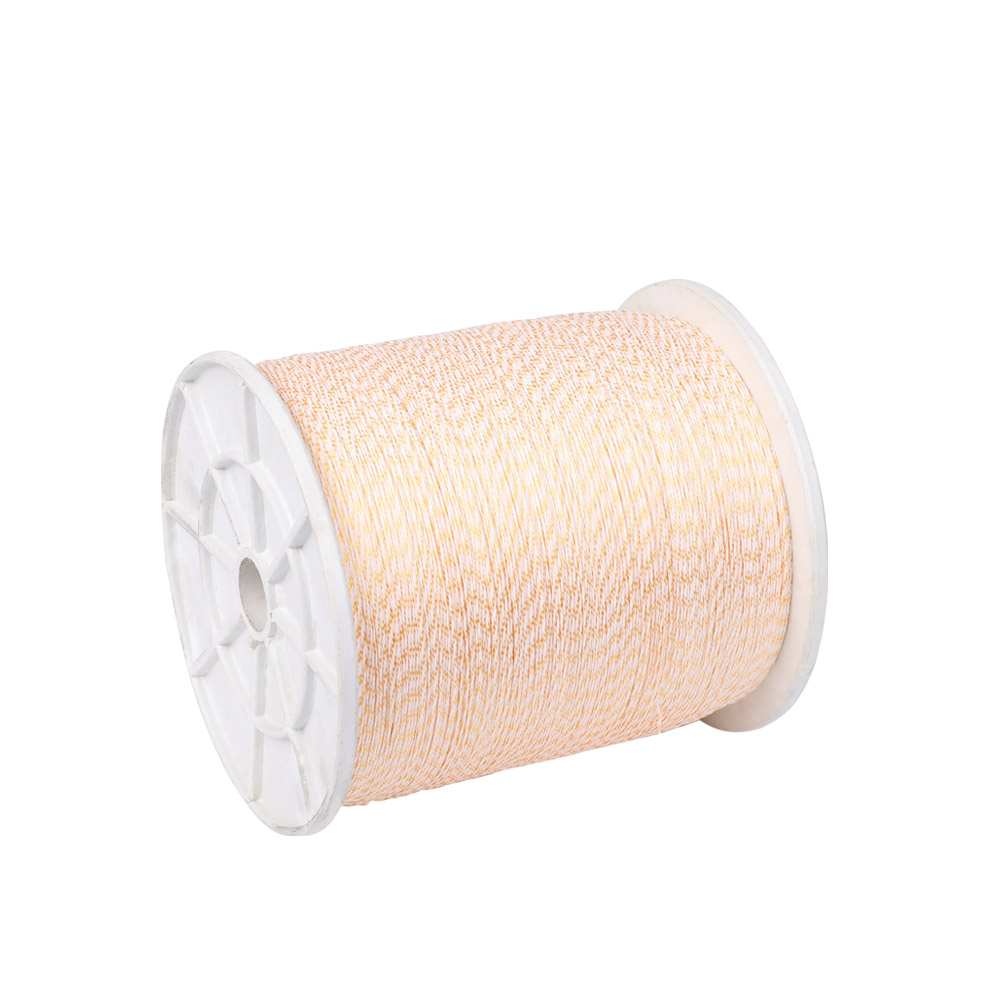
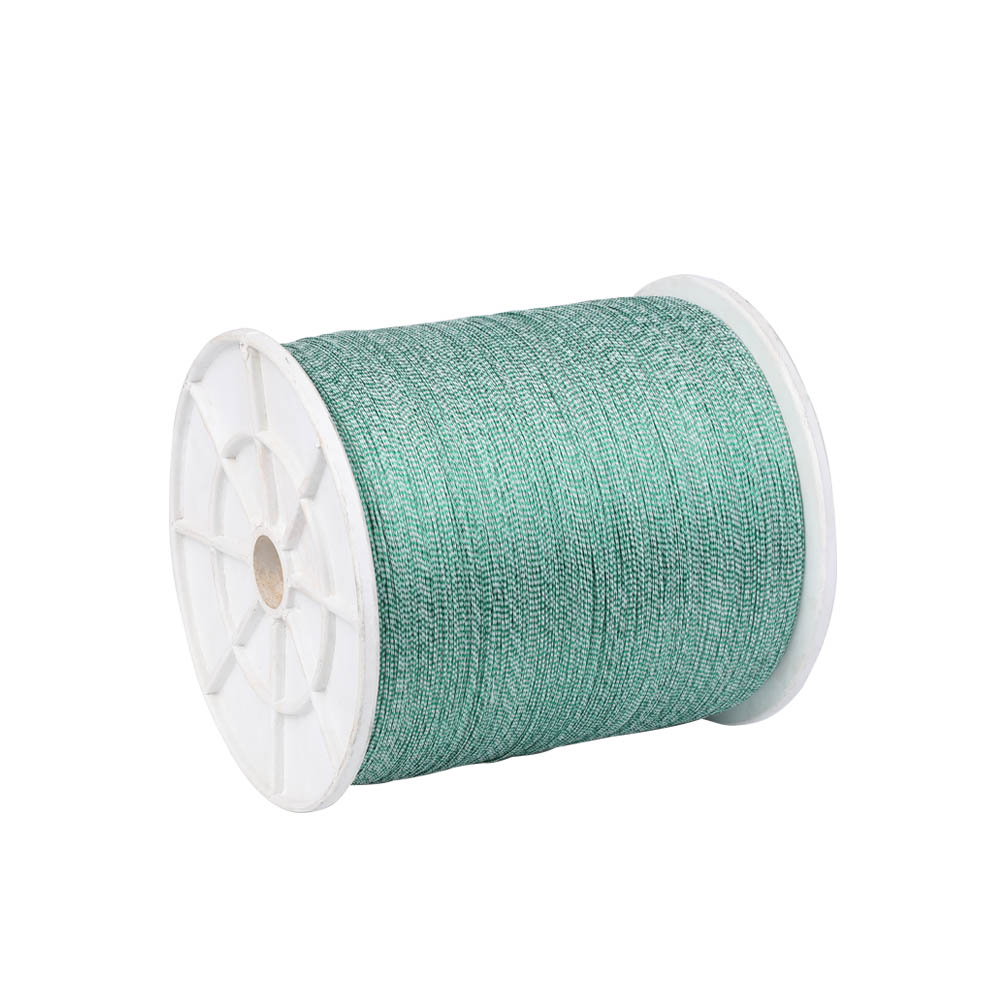
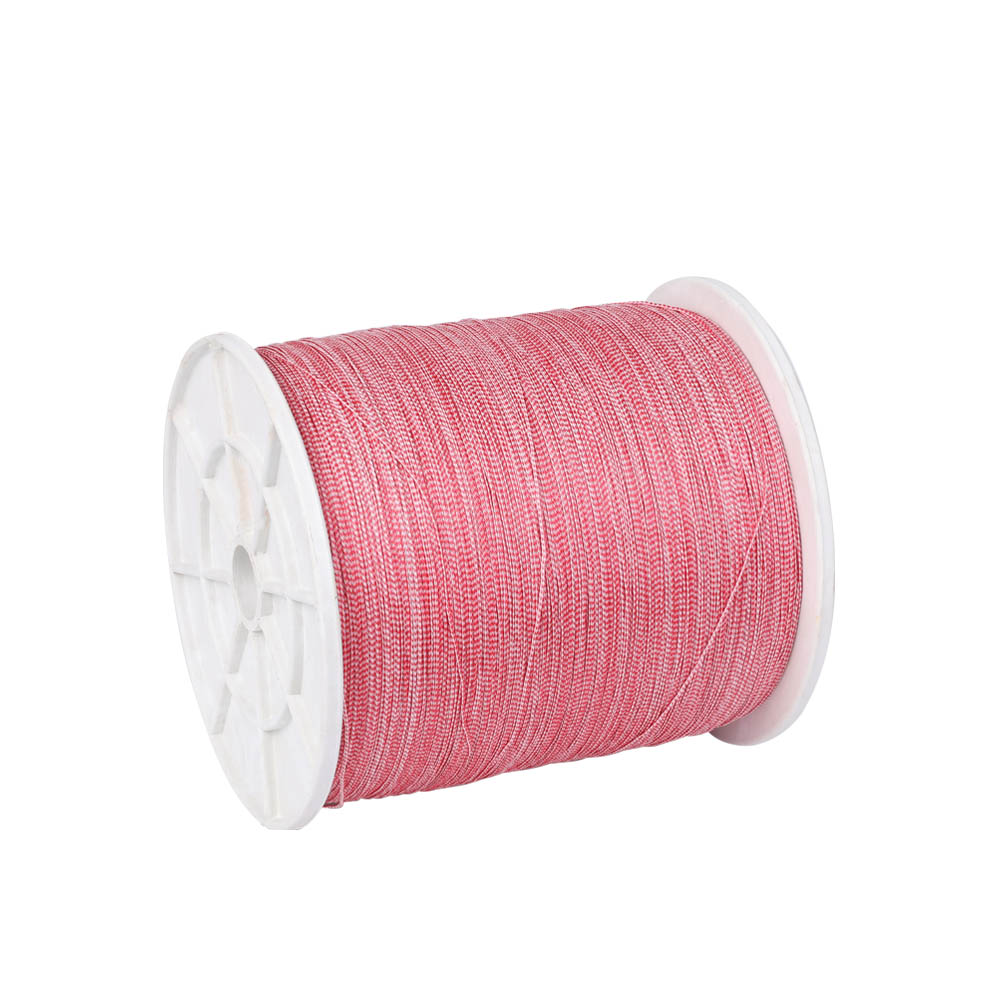
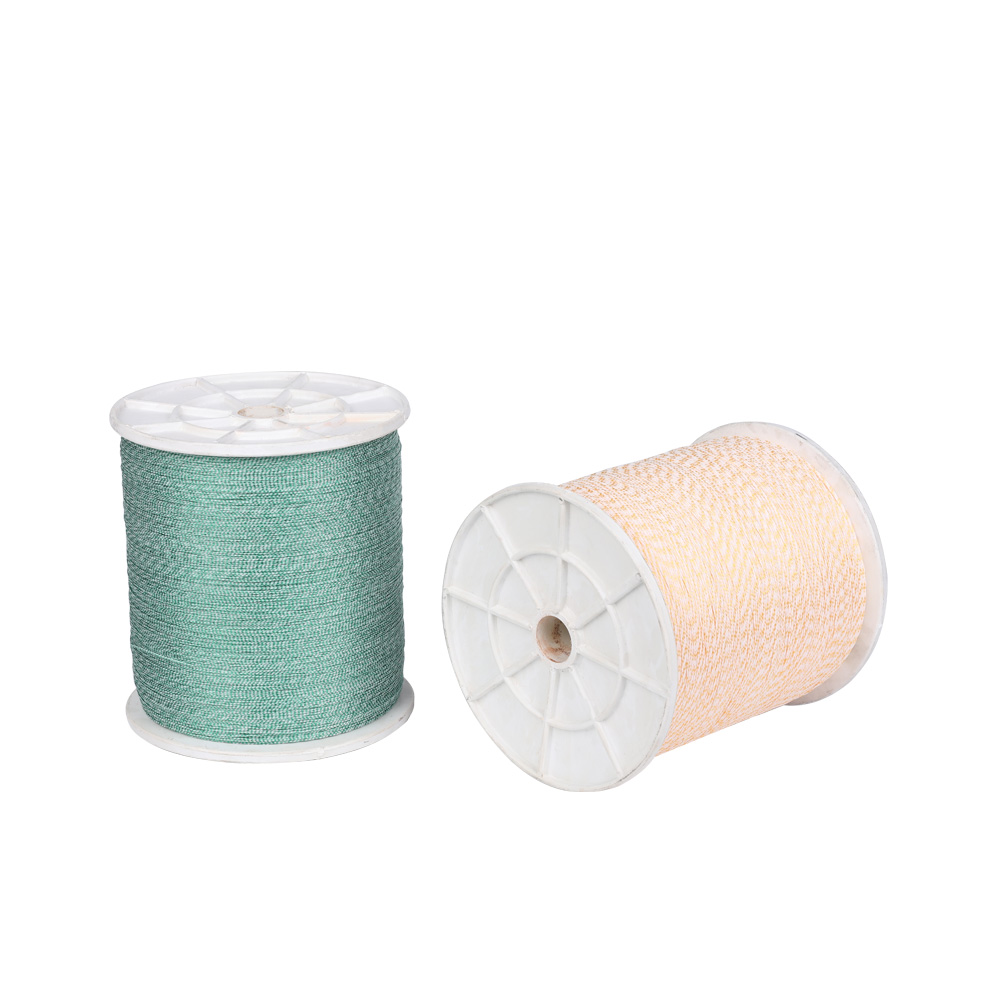
Air conditioner motor binding wire — also widely referred to as AC motor coil winding wire, motor magnet wire, or motor coil binding wire — is the insulated copper or aluminum wire wound tightly around the stator or rotor core inside an electric motor to form the electromagnetic coils that drive the motor's operation. In the context of air conditioning systems, this wire is found in the compressor motor, the indoor fan motor, the outdoor condenser fan motor, and various auxiliary motors such as those driving louvers or pumps.
When current passes through these wound coils, it generates a magnetic field that interacts with the rotor to produce rotational force — the basic working principle behind every AC induction motor. The quality, material, gauge, and insulation class of the binding wire directly determine how efficiently and reliably this process works. A motor wound with substandard or incorrect binding wire will run hot, lose efficiency, fail to reach rated output, or burn out prematurely — which is why selecting the right motor winding wire is a practical concern for both OEM motor manufacturers and HVAC technicians rewinding damaged motors in the field.
How Motor Binding Wire Functions Inside an AC Motor
Inside an air conditioner's electric motor, the stator is made up of a laminated silicon steel core with slots or teeth arranged around its inner circumference. The binding wire is wound through these slots in a precise pattern — called the winding configuration — to create individual coils. Groups of coils are connected in series or parallel to form phase windings, which are then connected to the power supply according to the motor's design (single-phase or three-phase).
The wire must be electrically insulated so that adjacent turns do not short-circuit against each other or against the grounded steel core. This insulation is typically an extremely thin enamel coating — sometimes just a few microns thick — applied directly to the wire surface during manufacturing. Despite its thinness, this enamel layer must withstand the mechanical stress of winding, the thermal cycling of motor operation, exposure to refrigerant oils in compressor environments, and decades of continuous service. It is precisely because all of this performance is packed into such a thin layer that the grade and quality of the insulation coating matters enormously.
Types of Air Conditioner Motor Winding Wire by Material
The two primary conductor materials used in AC motor binding wire are copper and aluminum. Each has distinct advantages and trade-offs that make them suitable for different applications within the HVAC industry.
Enameled Copper Winding Wire
Enameled copper wire — also called magnet wire — is by far the most common conductor material used in air conditioner motor winding. Copper offers the best electrical conductivity of any commonly used non-precious metal (resistivity of approximately 1.68 × 10⁻⁸ Ω·m at 20°C), which means a motor wound with copper wire can achieve the required magnetic field strength using fewer turns or a thinner wire gauge, resulting in a more compact and efficient motor. Copper also has excellent ductility, which allows it to be drawn into very fine gauges and wound tightly around motor cores without cracking or breaking during the winding process.
In air conditioner compressor motors — which operate continuously, run at high load, and are exposed to refrigerant and compressor oil vapor — enameled copper winding wire with a high-temperature insulation rating is the standard. The enamel coating must be compatible with the specific refrigerant and lubricant used in the system (e.g., R-410A systems use polyol ester oils that have different chemical compatibility requirements than older R-22 systems using mineral oil).
Enameled Aluminum Winding Wire
Aluminum winding wire has gained significant adoption in lower-cost fan motors used in residential split-type air conditioners, particularly indoor fan motors and outdoor condenser fan motors. Aluminum has about 61% of the electrical conductivity of copper, so a larger cross-sectional area of wire (approximately 1.6 times greater) is needed to carry the same current with the same resistive losses. This means aluminum-wound motors are generally physically larger for the same power output, but aluminum's substantially lower cost and lower density (roughly one-third the weight of copper) can make it economically attractive for cost-sensitive applications.
A practical concern when working with aluminum motor winding wire in the field is its susceptibility to oxidation at connection points, which increases contact resistance over time. Aluminum wire connections must use appropriate anti-oxidant compound and aluminum-rated terminals; standard copper-rated lugs are not suitable. This is an important consideration for technicians rewinding or repairing motors wound with aluminum wire.
Copper-Clad Aluminum (CCA) Winding Wire
Copper-clad aluminum winding wire is a hybrid conductor consisting of an aluminum core with a thin copper outer layer bonded metallically to the surface. It aims to combine aluminum's weight and cost advantages with copper's superior conductivity and corrosion resistance at termination points. CCA wire is used in some lower-cost AC motor applications, but it is not a true drop-in replacement for solid copper wire — its effective conductivity is intermediate between the two materials, and field rewinding with CCA wire requires careful gauge selection to achieve equivalent performance to the original copper winding specification.
Insulation Classes and Temperature Ratings for AC Motor Binding Wire
The insulation class of the AC motor coil winding wire is one of the most critical specifications to match when replacing or rewinding a motor. Insulation class defines the maximum operating temperature the wire's enamel coating can withstand continuously without significant degradation. Using wire with an insulation class lower than the motor's thermal design requires will lead to premature insulation breakdown, inter-turn shorts, and motor failure.
| Insulation Class | Max. Continuous Temp. | Common Enamel Type | Typical AC Application |
| Class A | 105°C | Oleoresinous enamel | Legacy/low-duty motors (rarely used in new AC) |
| Class E | 120°C | Polyurethane enamel | Light-duty fan motors in mild climates |
| Class B | 130°C | Polyester (PEI) enamel | Standard residential fan motors |
| Class F | 155°C | Polyesterimide (PEI/PAI) | Compressor motors, high-load fan motors |
| Class H | 180°C | Polyamideimide (PAI) overcoat | Heavy-duty compressors, inverter-driven motors |
| Class C / 200+ | >180°C | Polyimide (PI) enamel | Inverter compressors, variable-speed drives |
For modern inverter-driven compressor motors — which are increasingly common in energy-efficient split-type and multi-split AC systems — Class F or Class H wire (or higher) is essential. Inverter drives produce high-frequency voltage pulses with steep rise times that generate partial discharge stress on the winding insulation, which accelerates degradation far more rapidly than traditional sinusoidal power supply. Wire intended for inverter duty applications carries a specific "inverter spike resistant" or "partial discharge resistant" designation and uses a thicker or specially formulated enamel coating to handle this stress.
Wire Gauge Selection: Matching AWG or SWG to Motor Specifications
The gauge — or diameter — of the motor coil binding wire determines how much current it can carry and how many turns can be fitted into the motor's winding slots. In a given slot area, you can either use fewer turns of thicker wire (lower turns, higher current per turn, stronger field per amp) or more turns of thinner wire (higher turns, lower current per turn, higher voltage efficiency). The original motor design is optimized for a specific balance of these factors, and rewinding with the wrong gauge wire will change the motor's electrical characteristics and can result in overheating, reduced torque, or failure to reach rated speed.
Wire gauge for motor winding wire is specified in either American Wire Gauge (AWG), Standard Wire Gauge (SWG, used in the UK and some Asian markets), or directly as a metric diameter in millimeters. When rewinding an AC motor, always measure the original wire's bare conductor diameter (strip a short section of enamel off with fine sandpaper and measure with a micrometer) and match it exactly. The most common gauge ranges used in air conditioner motors are listed below:
| Motor Type | Typical AWG Range | Typical Metric Diameter |
| Small indoor fan motor (wall unit) | AWG 24 – AWG 28 | 0.32 – 0.51 mm |
| Outdoor condenser fan motor | AWG 20 – AWG 24 | 0.51 – 0.81 mm |
| Single-phase compressor motor (1–2 ton) | AWG 18 – AWG 22 | 0.64 – 1.02 mm |
| Three-phase compressor motor (3–5 ton) | AWG 14 – AWG 18 | 1.02 – 1.63 mm |
| Large commercial/chiller motor | AWG 10 – AWG 14 | 1.63 – 2.59 mm |
Enamel Coating Types Used on AC Motor Binding Wire
The enamel insulation applied to AC motor coil winding wire is not a single universal material — it is a family of thermosetting polymer coatings, each with different chemical resistance, flexibility, thermal stability, and dielectric strength characteristics. Understanding which enamel type is appropriate for a given application prevents costly incompatibility failures.
Polyurethane (UEW) Enamel Wire
Polyurethane enameled wire is popular for its solderable property — the enamel burns away cleanly during soldering without requiring mechanical stripping, which speeds up coil termination during manufacturing. It has good dielectric properties and is rated for Class E (120°C) or Class B (130°C) service. However, polyurethane enamel has limited resistance to moisture and some refrigerant oils, so it is best suited for fan motors rather than hermetically sealed compressor applications where the winding is in direct contact with refrigerant and lubricant vapor.
Polyester (PEW) and Polyesterimide (EIW) Enamel Wire
Polyester-enameled wire (Class B, 130°C) and polyesterimide-enameled wire (Class F, 155°C) are the workhorses of residential and light commercial AC motor winding. They offer good thermal stability, excellent mechanical strength of the enamel film during high-speed winding, and reasonable chemical resistance. Polyesterimide wire is the most commonly specified HVAC motor winding wire for standard compressor and fan motor applications in temperate and tropical climates where motors run at elevated ambient temperatures.
Polyamideimide (AIW) Overcoat Wire
For Class H (180°C) and inverter-duty applications, a polyamideimide topcoat is applied over a polyesterimide base coat to produce a dual-coat wire with exceptional thermal stability, chemical resistance, and partial discharge resistance. This wire type is the current standard for inverter-driven compressor motors used in modern variable-speed and inverter AC systems. It is considerably more expensive than standard polyester-enameled wire, but the performance improvement in high-stress applications is significant and justifies the cost difference.
Polyimide (Kapton-Type) Enamel Wire
Polyimide-enameled wire represents the upper end of the performance spectrum, with continuous service temperatures above 220°C and outstanding resistance to partial discharge, radiation, and chemical attack. It is used in specialized high-efficiency and high-frequency motor applications but is considerably more expensive than other options. In the HVAC context, it appears in high-performance inverter compressors for commercial VRF (variable refrigerant flow) systems.
How to Identify the Right Binding Wire When Rewinding an AC Motor
When rewinding a burned-out or failed air conditioner motor in the field or workshop, gathering the right specifications before purchasing replacement winding wire is essential. Guessing or substituting without proper data is one of the most common causes of rewind failure. Follow this systematic process to identify the correct wire:
- Record the motor nameplate data: Collect the motor's rated voltage, frequency (50 Hz or 60 Hz), rated power (watts or horsepower), rated current (amps), rated speed (RPM), insulation class, and ambient temperature rating. All of this information is needed to verify that your rewind specification is correct.
- Measure the original wire diameter: Use a micrometer or wire gauge tool to measure the bare conductor diameter of a sample of the original winding wire after carefully stripping a short section of enamel. Cross-reference this measurement against AWG, SWG, or metric diameter tables to confirm the gauge.
- Count the turns per coil: Before removing the old winding, carefully count the number of turns in one coil group and record the winding pattern (number of coils per group, coil pitch, connection scheme). Photograph the original winding from multiple angles before disassembly — this is invaluable reference data.
- Identify the insulation class required: Check the motor nameplate for the insulation class designation (A, B, F, H). If the nameplate is illegible or missing, use Class F wire as a safe minimum for any air conditioner motor — it provides a meaningful thermal safety margin over Class B and costs only marginally more.
- Check refrigerant compatibility for compressor motors: If rewinding a hermetic or semi-hermetic compressor motor, confirm the system's refrigerant type (R-22, R-410A, R-32, R-134a, etc.) and verify that the selected wire enamel type is listed as compatible with the corresponding compressor oil (mineral oil, alkylbenzene, or polyol ester). This information is typically available in the wire manufacturer's technical datasheet.
Common Causes of AC Motor Binding Wire Failure
Understanding why motor winding wire fails in air conditioner applications helps technicians both diagnose failed motors correctly and make better choices when selecting replacement wire. Most winding failures fall into one of several well-defined categories:
Thermal Overload and Insulation Breakdown
The single most common cause of AC motor winding failure is thermal degradation of the enamel insulation. When a motor runs above its thermal design limits — due to sustained overload, blocked airflow, high ambient temperature, low voltage causing excess current draw, or loss of refrigerant in a compressor — the winding temperature rises above the insulation class rating. Each 10°C increase above the rated maximum temperature roughly halves the insulation's expected service life, a relationship known as the Arrhenius rule. Over time, the enamel becomes brittle, cracks under the mechanical stresses of thermal cycling, and allows adjacent turns to short-circuit — producing a localized hot spot that accelerates further damage until the winding burns through entirely.
Moisture Ingress and Contamination
In outdoor condenser fan motors and open drip-proof motors used in commercial HVAC equipment, moisture infiltration is a significant cause of winding failure. Water reduces the insulation resistance between turns and between the winding and ground, leading to inter-turn shorts or phase-to-ground faults. Motors in humid climates or those that are frequently cycled on and off (causing condensation inside the motor housing during cool-down) are particularly vulnerable. Contamination by oils, cleaning solvents, or refrigerant in compressor applications can similarly degrade enamel coatings that are not chemically compatible with the contaminant.
Voltage Spikes and Inverter-Related Stress
Motors powered by variable frequency drives (VFDs) or inverter circuits are subjected to rapid voltage transitions — switching transients with rise times measured in nanoseconds — that create dielectric stress far exceeding what the winding would experience on a sinusoidal supply. Standard motor winding wire is not designed to handle this type of stress, and repeated exposure causes partial discharges within the enamel coating that erode it progressively. This is why inverter-rated or partial discharge resistant winding wire is essential for any motor operated from a VFD or inverter control, including the increasingly common inverter compressors in modern energy-efficient air conditioners.
Mechanical Damage During Winding or Assembly
During motor rewinding, the enamel coating can be nicked, scraped, or abraded during insertion of coils into stator slots — particularly at the slot entry edges. Even microscopic damage to the enamel film creates a weak point where insulation breakdown will eventually initiate under thermal or electrical stress. Using slot liner insulation (typically polyester film or aramid paper) and careful handling of the wire during insertion are standard precautions in quality motor rewinding practice that directly extend the life of the winding wire insulation.
Key Specifications to Check When Buying AC Motor Coil Binding Wire
Not all motor winding wire sold on the market is equal in quality, and purchasing low-grade wire — even at the correct gauge and insulation class — can result in premature motor failure. Here are the key specifications and quality indicators to evaluate when sourcing replacement AC motor binding wire:
- Conductor purity: High-quality enameled copper wire uses electrolytic tough pitch (ETP) copper with a purity of at least 99.9%. Lower purity copper has higher resistivity, which increases I²R losses and motor operating temperature. Always ask for the conductor purity specification from the supplier.
- Enamel film thickness and build: Motor winding wire is available in single build (Grade 1), double build (Grade 2), and triple build (Grade 3) enamel thicknesses, where higher build means thicker insulation and higher dielectric withstand voltage. Most AC motor applications use Grade 2 (double build) wire, which provides a good balance of slot fill and insulation margin.
- Dielectric breakdown voltage: The enamel should withstand a minimum dielectric test voltage specified by IEC 60317 or NEMA MW standards. For Grade 2 (double build) wire, this is typically 5,000–8,000V depending on gauge. Request test certificates from the supplier confirming compliance.
- Elongation at break: This measures the ductility of both the conductor and the enamel film. Wire with insufficient elongation will crack during winding or when the motor thermally cycles in service. IEC 60317 specifies minimum elongation values by conductor diameter; conforming wire should meet these requirements.
- Resistance to refrigerant oils: For compressor motor winding wire, request documentation confirming compatibility with the specific refrigerant oil type used in the system. This is particularly important for R-32 and HFO refrigerant systems using polyol ester lubricants, which are more aggressive toward some enamel types than older mineral oils.
- Standards compliance: Look for wire certified to IEC 60317 (international), NEMA MW 1000 (North America), JIS C 3202 (Japan), or equivalent national standards. Third-party test certification from a recognized laboratory provides much stronger assurance than manufacturer self-declaration alone.
Practical Tips for Working with AC Motor Binding Wire in the Field
For HVAC technicians and motor rewind shops handling air conditioner motor winding wire on a regular basis, a few practical guidelines make the job faster, safer, and more reliable:
- Store wire spools properly: Keep unused wire spools in their original packaging in a cool, dry location away from direct sunlight and chemical fumes. UV exposure and solvent vapors can degrade enamel coatings on stored wire even before it is used. Do not stack heavy objects on top of wire spools, as this can deform the spool and cause kinking during unwinding.
- Use appropriate slot liner insulation: Always install fresh slot liner insulation (polyester film or Nomex aramid paper) when rewinding a motor. The original slot liner is typically damaged during winding removal and must be replaced — reusing damaged or compressed slot liner is a common cause of premature rewind failure.
- Apply varnish impregnation after winding: After the motor is rewound, applying insulating varnish (via dip-and-bake or vacuum pressure impregnation) seals the winding against moisture, improves thermal conductivity between turns and the core, and provides mechanical bonding that resists vibration. Skip this step only for very minor touch-up repairs — any full rewind should be varnished.
- Test insulation resistance before energizing: After completing a rewind, always measure insulation resistance (megohm test) between each phase winding and ground before connecting power. A minimum of 100 MΩ at 500V DC is a generally accepted standard for a freshly rewound motor in good condition. Any reading below this suggests a winding fault that must be corrected before the motor is put into service.
- Document your rewind data: Keep a rewind record for every motor you work on, including the original wire gauge and turns count, the wire type and supplier used for the rewind, the insulation resistance reading before commissioning, and the date of service. This documentation is invaluable for troubleshooting future failures and for establishing rewind quality records for commercial customers.