English
 中文简体
中文简体

Content
- 1 What Is Polyester Binding Wire and Why Does It Matter?
- 2 Polyester Binding Wire vs. Steel Strapping: An Honest Comparison
- 3 Types of Polyester Binding Wire You'll Come Across
- 4 Key Specs to Check Before You Buy
- 5 Which Industries Use Polyester Binding Wire the Most?
- 6 How to Use Polyester Binding Wire Correctly
- 7 Storing and Handling Your PET Strapping Wire Properly
- 8 Environmental Impact and Sustainability of Polyester Strapping Wire
- 9 How to Evaluate a Polyester Binding Wire Supplier
- 10 Quick Reference: Choosing the Right Polyester Binding Wire for Your Needs
What Is Polyester Binding Wire and Why Does It Matter?
Polyester binding wire — also commonly called PET strapping wire or polyester banding wire — is a high-tensile plastic strap made from polyethylene terephthalate (PET) resin. It's widely used to bundle, secure, and unitize products across industries ranging from logistics and construction to agriculture and printing. If you've ever received a heavy shipment of bricks, tiles, paper rolls, or bundled timber, there's a good chance it was held together with polyester binding wire.
Over the past two decades, polyester tie wire has largely replaced traditional steel banding in many applications. The reason is simple: it offers comparable tensile strength with significantly less weight, lower injury risk, and better performance in environments where rust or corrosion is a concern. Whether you're a warehouse manager, a packaging engineer, or a small business owner looking for reliable bundling solutions, understanding the fundamentals of PET binding wire will help you make smarter purchasing decisions and avoid common mistakes.
Polyester Binding Wire vs. Steel Strapping: An Honest Comparison
The debate between polyester strapping wire and steel strapping comes up constantly in industrial packaging circles. Steel has been the traditional go-to for decades, but polyester has steadily taken over — and for good reason. Here's a side-by-side look at how they stack up:
| Feature | Polyester Binding Wire (PET) | Steel Strapping |
| Tensile Strength | High (up to 1,000+ kg) | Very High |
| Weight | Lightweight | Heavy |
| Rust / Corrosion | Completely rust-proof | Prone to rust |
| Injury Risk | Low (no sharp edges) | High (sharp cut ends) |
| Elongation / Shock Absorption | Excellent (absorbs impact) | Low (rigid, brittle) |
| Surface Safety for Products | Gentle, no staining | Can scratch or stain |
| Recyclability | Recyclable (PET resin) | Recyclable (metal) |
| Cost | Generally lower | Higher (material + handling) |
The verdict: for most standard to heavy-duty bundling applications, polyester plastic binding wire is the more practical, safer, and cost-effective choice. Steel strapping still wins in ultra-heavy applications like securing steel coils or extremely dense stone loads, but for the vast majority of commercial packaging needs, PET is the smarter pick.
Types of Polyester Binding Wire You'll Come Across
Not all polyester banding wire is the same. The market offers several varieties, each suited to different applications and load requirements. Understanding these differences will save you money and prevent packaging failures down the line.
Embossed vs. Smooth Surface
Embossed polyester strapping wire has a textured, cross-hatched surface pattern that improves grip when using friction-weld or heat-seal tools. The texture increases the contact area between layers during sealing, resulting in a stronger joint. Smooth-surface PET wire, on the other hand, is typically used with metal buckle seals and works well in manual or semi-automatic applications. If you're running a fully automated strapping machine, embossed is almost always the better choice.
Standard vs. High-Tensile (Heavy-Duty) Grade
Standard-grade polyester binding wire typically handles loads in the 200–500 kg range and is ideal for consumer goods, boxes, and light industrial bundles. Heavy-duty or high-tensile PET strapping wire is engineered for loads exceeding 800–1,000 kg and is used for securing bricks, tiles, marble slabs, lumber, and large paper rolls. Always match the wire grade to your actual load weight — using undersized strapping is one of the most common (and dangerous) mistakes in warehouse packaging.
Virgin PET vs. Recycled PET Strapping
Virgin PET binding wire is made from new resin and offers the most consistent tensile strength and elongation properties. Recycled PET strapping (made from post-consumer PET bottles or manufacturing waste) is an eco-friendlier option that has improved significantly in quality over the years. For light to medium applications, recycled PET performs well and reduces your carbon footprint. For critical heavy-duty uses, virgin PET is the safer bet since its material properties are more predictable.
Cord Strapping (Composite Binding Wire)
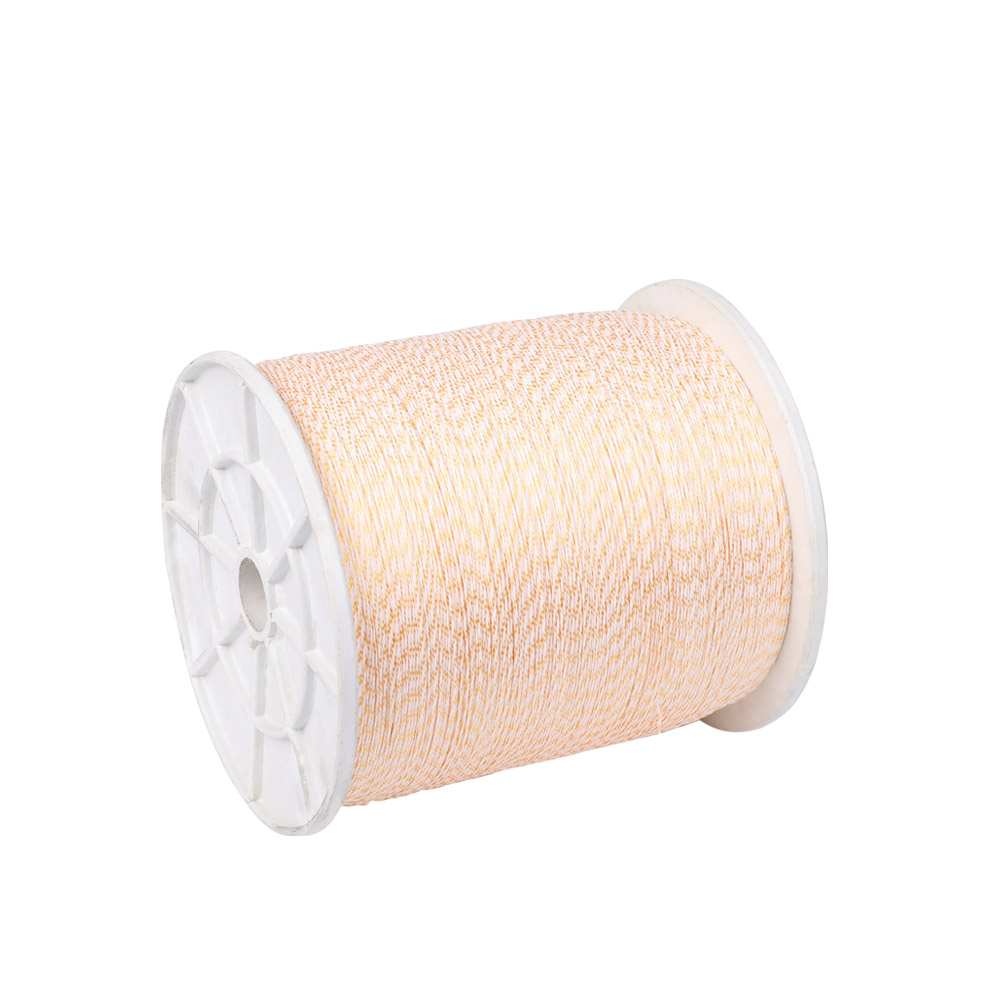
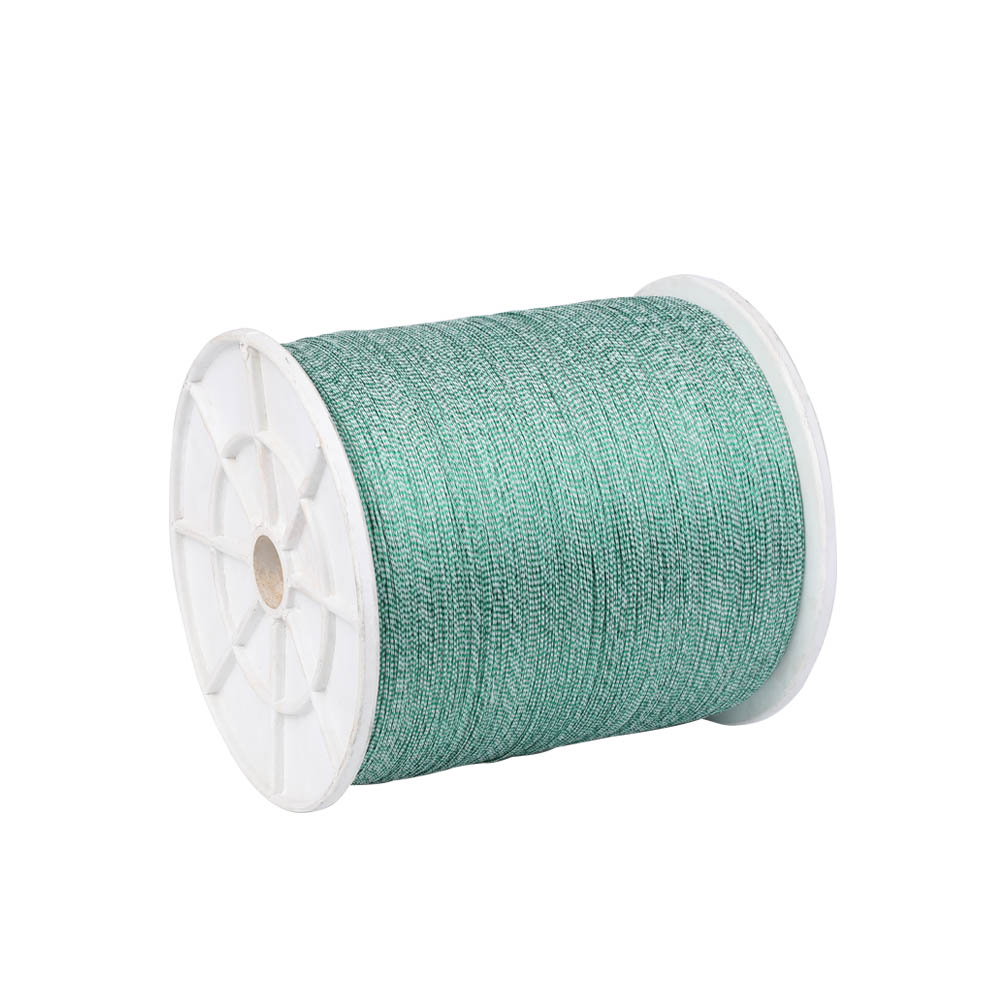
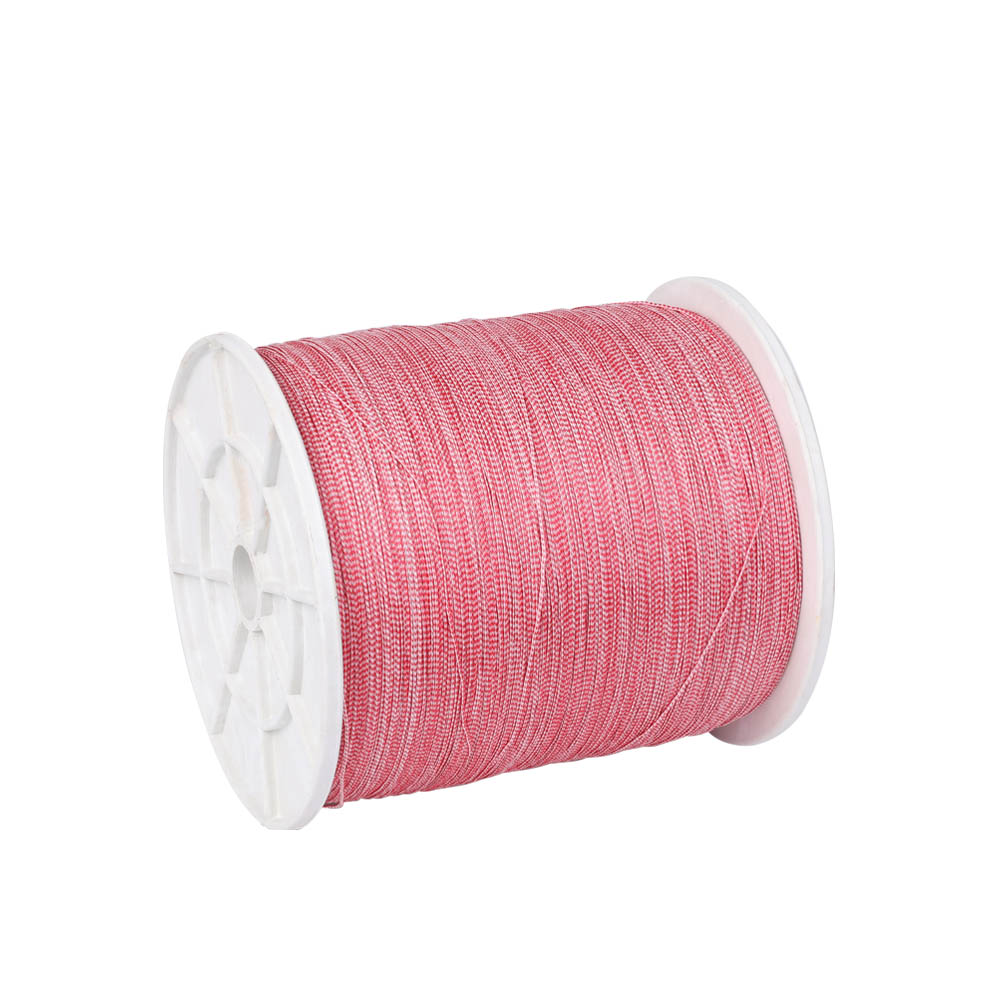
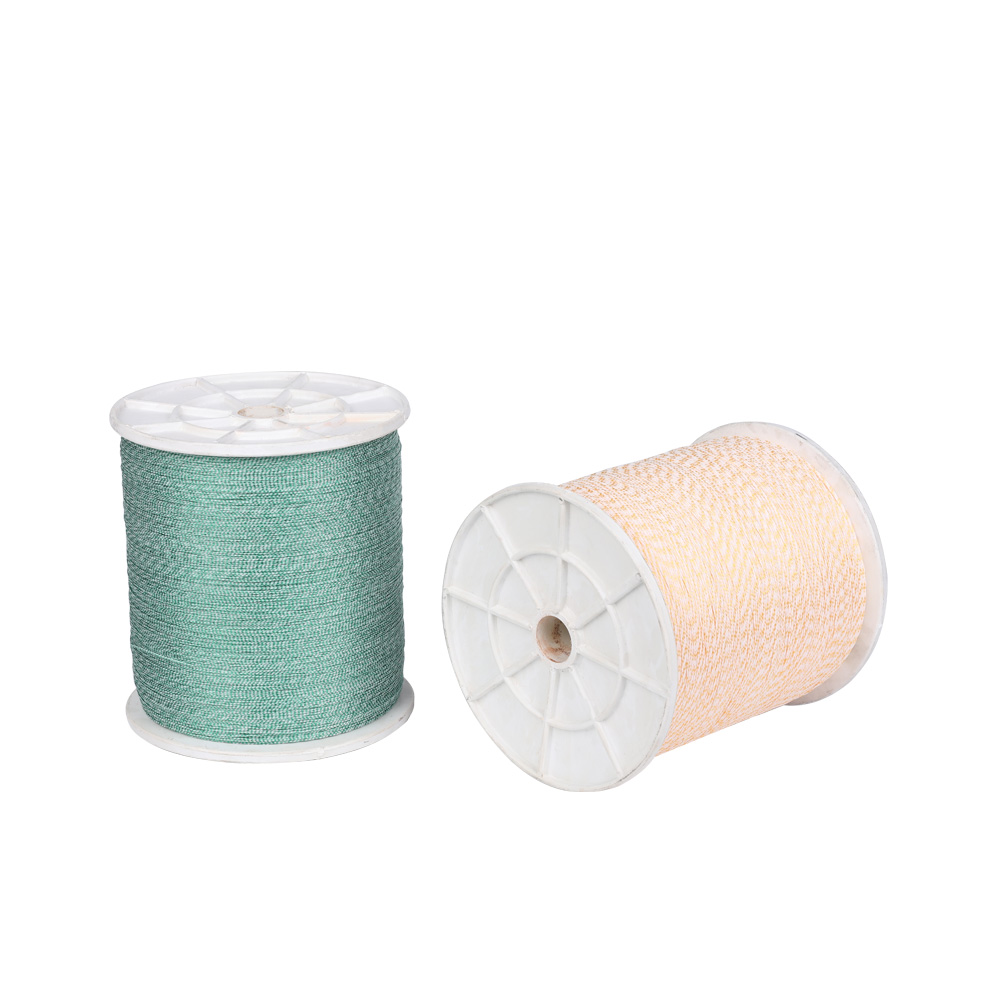
A specialized variant worth knowing about is cord strapping — a composite product where polyester fibers are woven together and coated in a polypropylene or polyester jacket. This type of polyester tie wire has extremely high elongation recovery, meaning it springs back after absorbing impact, making it ideal for securing shifting loads in transport. It's popular in the glass, marble, and electronics industries where product damage from vibration is a real concern.
Key Specs to Check Before You Buy
When sourcing polyester binding wire, don't just go by price per kilogram. These are the specifications that actually determine whether a product will perform reliably in your application:
- Width: Common widths range from 12 mm to 32 mm. Wider straps distribute load force over a larger surface area, reducing the chance of cutting into your product. For standard carton bundling, 15–19 mm is typical; for heavy building materials, 25–32 mm is common.
- Thickness: Usually between 0.5 mm and 1.5 mm. Thicker straps are stronger but less flexible. Thickness works together with width to determine overall breaking strength.
- Breaking Strength: Expressed in kilograms (kg) or kilonewtons (kN). This is the maximum load the strap can sustain before snapping. Always apply a safety factor — industry standard is to use strapping rated for at least 2x your actual load weight.
- Elongation at Break: A higher elongation percentage (typically 15–25% for PET) means better shock absorption. This is critical for loads that shift or vibrate during transit.
- Coil Weight and Length: Standard coils come in 150 m to 1,000 m lengths. High-volume operations benefit from larger coils to reduce changeover time on strapping machines.
- Core Diameter: Must match your strapping machine's dispenser. Most machines accept coils on a 200 mm or 280 mm inner-diameter core.
Which Industries Use Polyester Binding Wire the Most?
PET strapping wire is genuinely one of the most versatile industrial packaging materials available. It shows up across a surprisingly wide range of sectors:
- Construction and Building Materials: Securing bundles of bricks, roof tiles, ceramic tiles, marble slabs, sand-lime blocks, and timber planks. The rust-proof nature of PET is especially important here since these materials are often stored outdoors.
- Paper and Printing: Bundling reams of paper, cardboard rolls, and printed matter. PET strapping doesn't stain or damage coated paper surfaces the way steel can.
- Agriculture: Securing bales of hay, cotton, and other crops during transport. The elongation properties help the strap accommodate bale settling without losing tension.
- Textile and Apparel: Bundling fabric bolts and finished garments for warehouse storage and retail distribution.
- E-commerce and Logistics: Reinforcing large boxes and pallets for last-mile delivery, especially for heavier items that might shift in transit.
- Steel and Metal Distribution: Light to medium steel profiles, pipes, and coils where PET provides enough holding force without the handling hazards of steel banding.
How to Use Polyester Binding Wire Correctly
Even the best polyester banding wire will fail if it's applied incorrectly. Here's a practical breakdown of getting it right, whether you're working manually or with a machine.
Manual Application with Buckles
Manual strapping uses a hand tensioner tool and metal buckle (also called a seal) to secure the strap. Thread the PET wire around the load, loop both ends through the buckle, apply tension using the tool until the strap is firm, and then crimp the buckle to lock it. This method is low-cost, portable, and doesn't require electricity — but it's slower and the joint strength depends heavily on the operator's technique. It's best suited for low-to-medium volume operations or field use.
Friction-Weld (Heat-Seal) Tools
Battery-powered or pneumatic friction-weld tools melt the overlapping layers of polyester strapping wire together using friction heat, eliminating the need for metal buckles. The result is a clean, smooth joint that's often stronger than buckle seals and safer for product surfaces. These tools are fast, portable, and increasingly affordable — making them popular in medium-duty warehouse environments. Always use embossed PET wire with friction-weld tools for optimal joint strength.
Fully Automatic Strapping Machines
High-volume operations use automatic or semi-automatic strapping machines that feed, tension, seal, and cut the polyester binding wire in one motion. These machines dramatically increase throughput and produce highly consistent results. Key settings to get right include tension level (adjust based on load fragility vs. security requirements), seal temperature (for heat-seal machines), and strap width compatibility. Always run a test cycle after changing coils or adjusting settings before running full production.
Common Mistakes to Avoid
- Over-tensioning: Applying too much tension can cut into the product surface or weaken the strap at the joint. Match tension to the load's surface hardness and fragility.
- Under-tensioning: A loose strap won't hold the load together during transport. The strap should feel firm with minimal give when tested by hand after application.
- Using wrong seal type: Smooth PET with a friction-weld tool produces a weak joint. Match the surface type to the sealing method.
- Skipping edge protectors: For sharp-edged products like metal profiles or wooden pallets with rough edges, always use plastic or cardboard edge protectors to prevent the strap from cutting through.
- Ignoring UV degradation: If your loads are stored outdoors for extended periods, choose UV-stabilized PET strapping wire. Standard PET can become brittle under prolonged sun exposure.
Storing and Handling Your PET Strapping Wire Properly
Polyester binding wire is durable in use but needs proper storage to maintain its performance characteristics. Follow these guidelines to protect your inventory:
- Store coils flat or upright on a rack — never stack heavy objects on top of coils, as this can deform the core and cause feeding problems in machines.
- Keep in a cool, dry location away from direct sunlight. Excessive heat can cause the strap to lose tension retention properties over time.
- Avoid storing near solvents, oils, or acidic chemicals, which can degrade the PET resin.
- Use coils within 18–24 months of manufacture for best performance. Most manufacturers print a production date on the coil label.
- Handle coils with gloves — the strap edge can be sharp, especially when the end snaps back unexpectedly.
Environmental Impact and Sustainability of Polyester Strapping Wire
Sustainability is increasingly a purchasing factor for businesses across all sectors. Here's the honest picture when it comes to polyester binding wire and the environment:
PET is one of the most widely recycled plastics in the world — the same material used in water bottles. Used polyester strapping wire can be collected and sent to PET recycling streams where it's processed into recycled pellets for new products, including more strapping. Many manufacturers now offer strapping made with 80–100% post-consumer recycled (PCR) PET content, which significantly reduces the product's carbon footprint without meaningfully compromising performance for most applications.
Compared to steel strapping, PET also wins on the production energy front — manufacturing PET strapping consumes considerably less energy than producing equivalent steel banding, and its lighter weight reduces transport fuel consumption through the supply chain. If sustainability is a priority for your business or your customers, look for suppliers who can provide recycled content certifications (such as GRS — Global Recycled Standard) and who participate in strap take-back or recycling programs.
How to Evaluate a Polyester Binding Wire Supplier
With dozens of manufacturers and distributors on the market — particularly from China, India, and Southeast Asia — choosing a reliable supplier for PET strapping wire requires due diligence. Here's what to look for:
- Consistent quality across batches: Ask for test reports showing breaking strength and elongation data. A reputable supplier will provide these routinely and should show minimal variation between production batches.
- Certifications: Look for ISO 9001 certification for quality management systems. If you need food-safe or export-compliant packaging, confirm the strapping meets relevant standards in your target market.
- Machine compatibility: If you run strapping machines, confirm the coil dimensions (width, inner diameter, outer diameter, coil weight) before ordering. Incompatible coils can jam machines and cause costly downtime.
- Sample availability: Any serious supplier will provide samples before a bulk order. Test the sample on your actual loads and machines before committing to a large purchase.
- Lead times and stock levels: Especially important for high-volume operations. Confirm that the supplier can reliably meet your reorder schedule and has sufficient inventory to handle unexpected demand spikes.
- After-sales support: A good supplier will help troubleshoot if you experience sealing failures, machine feeding issues, or strap performance problems. Avoid suppliers who go quiet after the sale.
Quick Reference: Choosing the Right Polyester Binding Wire for Your Needs
| Application | Recommended Width | Recommended Thickness | Surface Type | Sealing Method |
| Light carton bundling | 12–15 mm | 0.5–0.7 mm | Smooth or Embossed | Buckle or Friction-weld |
| Medium warehouse pallets | 15–19 mm | 0.8–1.0 mm | Embossed | Friction-weld or Auto machine |
| Heavy building materials | 25–32 mm | 1.0–1.5 mm | Embossed | Auto machine |
| Fragile/sensitive goods | 15–19 mm | 0.8–1.0 mm | Smooth (with edge protectors) | Buckle (low tension) |
| Outdoor / long-term storage | 19–25 mm | 1.0–1.2 mm | UV-stabilized, Embossed | Friction-weld or Auto machine |
Use this table as a starting point, then verify with your specific load weight, transit conditions, and machine specifications before placing a full order.