English
 中文简体
中文简体

Content
- 1 What Exactly Is Polyester Aramid Binding Wire?
- 2 What Makes Polyester Aramid Binding Wire Different?
- 3 Top Practical Applications of Polyester Aramid Binding Wire
- 4 How to Choose the Right Polyester Aramid Binding Wire for Your Job
- 5 Step-by-Step Installation Tips for a Secure Bind
- 6 Long-Term Durability and Environmental Resistance
- 7 Common Mistakes to Avoid When Using Aramid-Polyester Binding Wire
What Exactly Is Polyester Aramid Binding Wire?
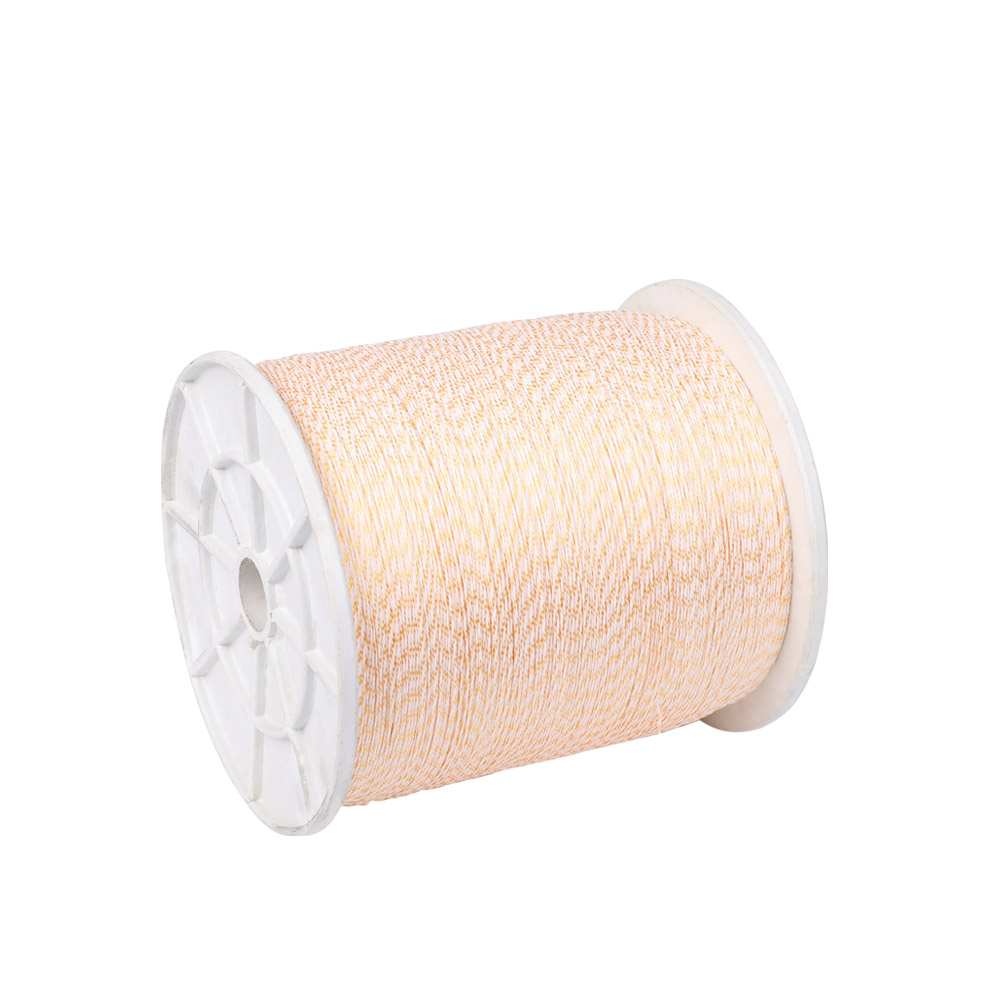
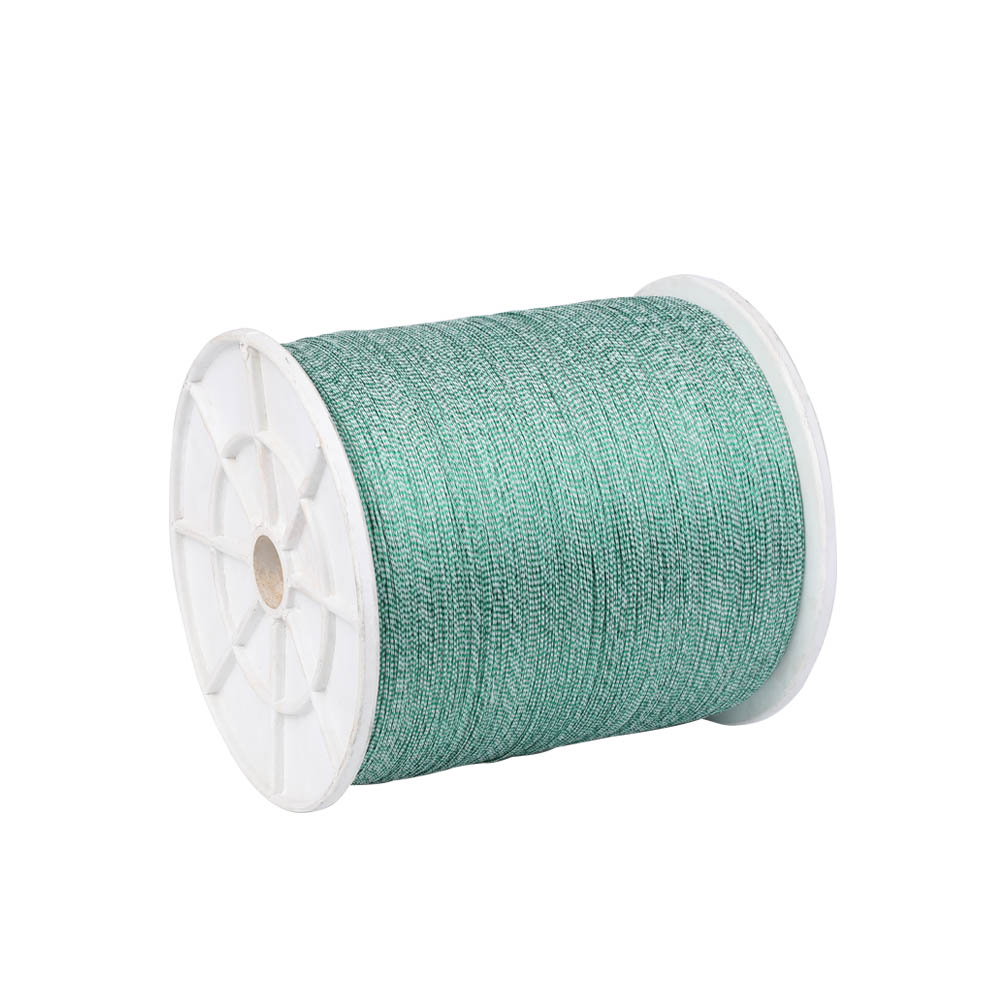
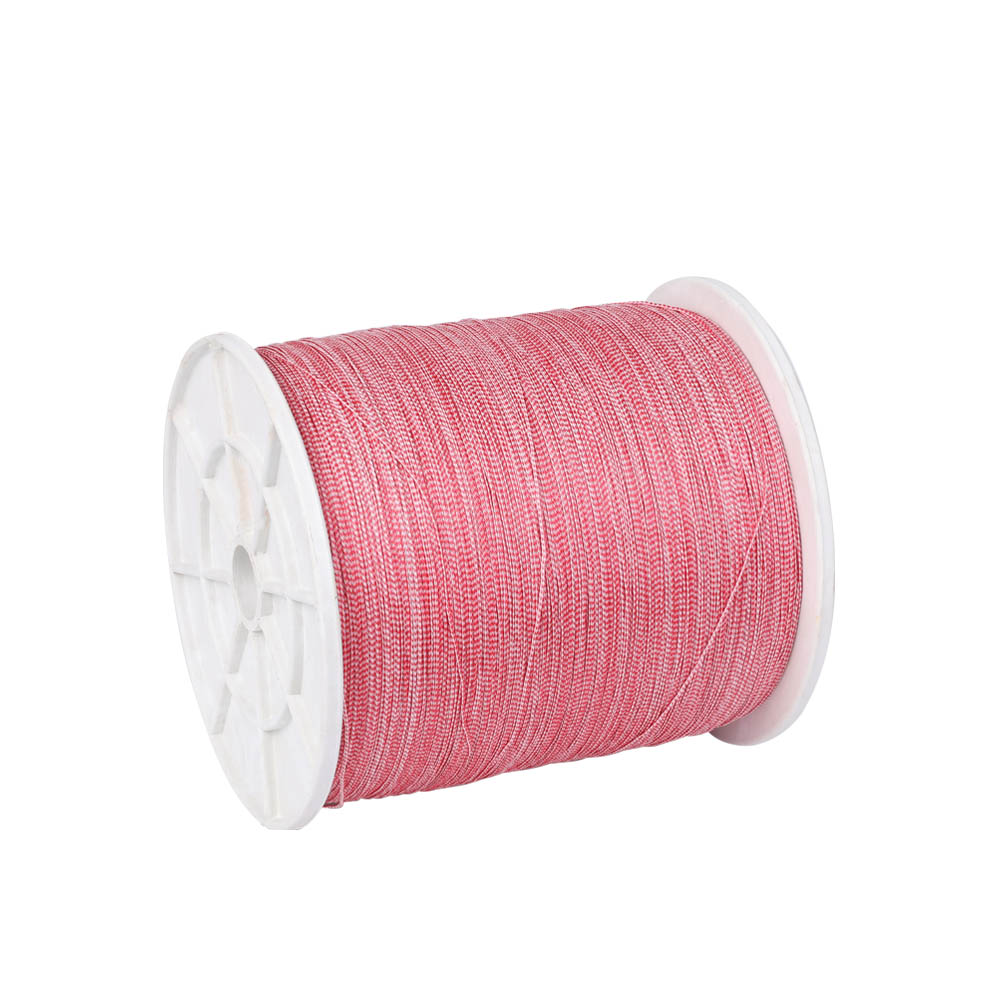
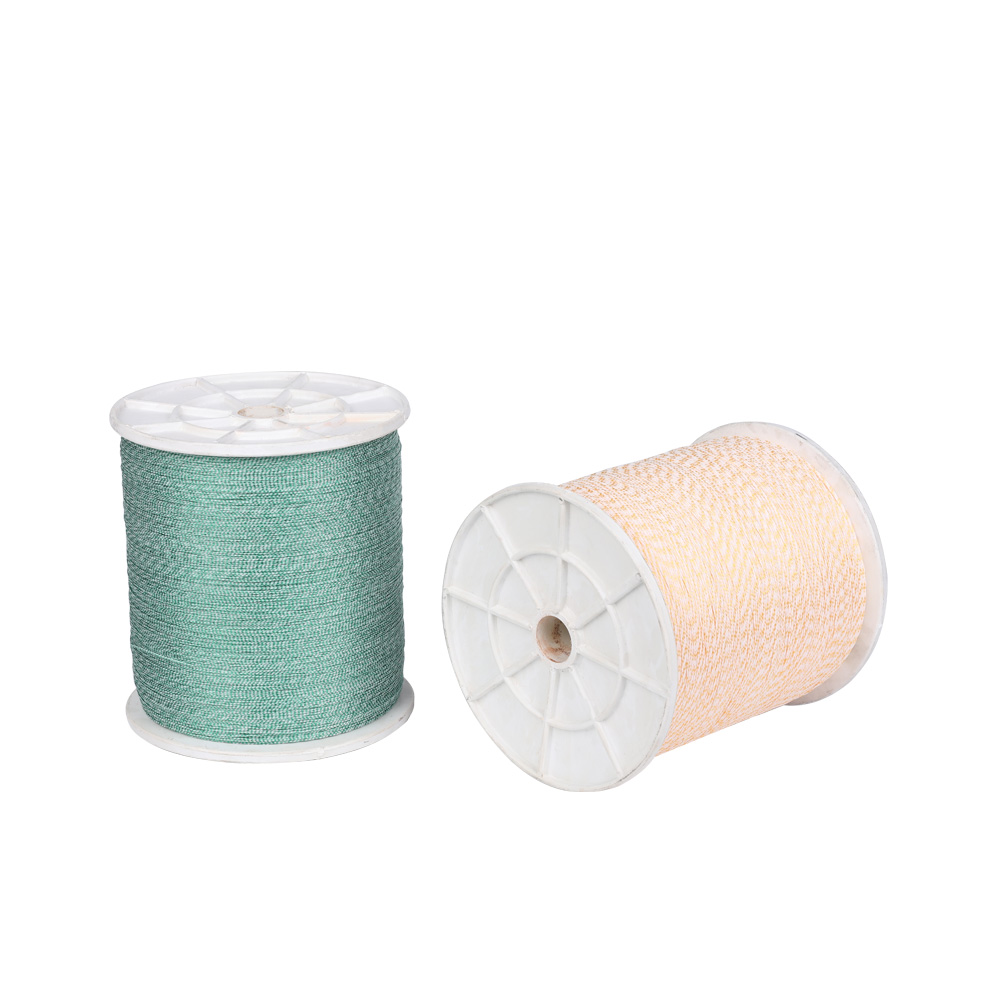
Polyester aramid binding wire is a specialized composite cord used for lashing, tying, and securing components in demanding industrial environments. Unlike standard nylon or polypropylene ties, this binding wire merges the high tensile strength and heat resistance of aramid fibers (like Twaron or Kevlar) with the flexibility and abrasion resistance of polyester. The result is a durable, lightweight binding solution that holds tight under vibration, temperature swings, and mechanical stress. You'll often find this wire inside electric motors, transformer coils, cable harnesses, and even aerospace assemblies where reliability is non-negotiable.
What Makes Polyester Aramid Binding Wire Different?
The real advantage lies in the synergy between the two fibers. Polyester provides excellent UV resistance, low moisture absorption, and a smooth surface that won't chafe sensitive insulation. Aramid contributes extreme tensile strength (up to 3.6 GPa for some grades) and thermal stability up to 180°C continuous. Together, a polyester-aramid binding wire outperforms pure polyester or nylon in high-tension, high-heat scenarios without becoming brittle like pure aramid tape. This blend also resists creep over time, meaning the knot or clamp won't loosen after months of use.
Core Material Properties at a Glance
Understanding the numbers helps you pick the right polyester aramid binding wire for your job. Typical variants offer breaking strengths from 200 to 1,500 N, diameters between 0.5 mm and 3 mm, and elongation at break around 8-12%. The polyester outer braid often adds color coding (yellow for aramid content, black for carbon blends, etc.), making visual inspection faster during maintenance. Unlike metal binding wire, this non-conductive material eliminates short-circuit risks in live electrical assemblies.
Comparison: Polyester Aramid Binding Wire vs. Other Binding Materials
The table below contrasts polyester aramid binding wire with common alternatives, showing why the blend often wins in heavy-duty or high-temperature applications.
| Property | Polyester Aramid Binding Wire | Standard Polyester Binding Cord | Nylon Cable Ties |
| Tensile Strength (typical) | Very high (up to 1500 N) | Medium | Medium-high |
| Max continuous temperature | 180°C | 120°C | 85°C |
| Moisture / chemical resistance | Excellent (low absorption) | Good | Poor (hygroscopic) |
| Creep / tension retention | Outstanding | Fair | Poor under heat |
| Electrical conductivity | Non-conductive | Non-conductive | Non-conductive |
| Typical applications | Motor windings, aerospace, high-temp cables | General bundling, low-stress lashing | Light wiring, temporary fixes |
Top Practical Applications of Polyester Aramid Binding Wire
Because of its unique balance, this binding wire shows up in places where other ties simply fail. In electric motor manufacturing, technicians use aramid-polyester binding wire to secure magnet wires on armatures and stators – the heat resistance prevents softening during varnish impregnation. For cable harnesses in automotive engine bays, the wire withstands oil, coolant, and engine heat without cracking. Another growing use is in renewable energy: solar panel junction boxes and wind turbine pitch control cables rely on polyester aramid binding wire to keep bundles tight across decades of outdoor UV exposure and vibration.
- Transformer and coil winding: Holds layer insulation and leads firmly during dipping and curing cycles.
- Aerospace wire lashing: FAA-approved for securing flight-critical wiring in engine nacelles and avionics bays.
- Robotic cable carriers: Resists bending fatigue better than plastic zip ties, reducing strand breakage.
- Heavy equipment (mining, rail): Outlasts metal tie wire in abrasive or corrosive environments.
- Fiber optic cable bundling: Low crush force protects delicate glass fibers while keeping clusters organized.
How to Choose the Right Polyester Aramid Binding Wire for Your Job
Not all polyester aramid binding wire is the same. Suppliers offer different aramid/polyester ratios (commonly 50/50, 70/30 aramid-dominant for max strength, or 30/70 for flexibility). For high-vibration environments, pick a wire with a slightly softer polyester sheath – it knots better and won't fray. Check the temperature rating: standard blends handle 150°C, but specialty versions with silicone-coated polyester go up to 200°C. Also verify UV stabilization if used outdoors; some budget wires use unmodified polyester that yellows and loses strength after a year in sunlight.
- Diameter vs. clamp force: Thicker wire (2-3 mm) works for heavy cable bundles; thin wire (0.5-1 mm) is ideal for fine motor windings.
- Certification requirements: Look for UL 94 V-0 flame rating or ISO 6722 for automotive use.
- Color and traceability: Many manufacturers embed a colored tracer (e.g., red aramid) to prove authentic aramid content.
- Spool vs. precut lengths: Hand-tying jobs are faster with 100m spools; automated winding machines often require specific traverse-wound spools.
Step-by-Step Installation Tips for a Secure Bind
Getting the most out of polyester aramid binding wire comes down to technique. Because aramid has low elongation, you can't overstretch it like nylon – instead, use a consistent tensioning method. For hand lashing, wrap the wire around the bundle 2-3 times, then finish with a surgeon's knot or a locking tie-off. Avoid sharp bends around corners; aramid fibers are strong but can kink if forced at acute angles. Many professionals use a tensioning tool (like a pneumatic cable lacer) to achieve repeatable clamping force without damaging the wire's polyester coating.
- Always cut the polyester aramid binding wire with sharp scissors or hot-cutters to prevent frayed ends.
- For motor windings, apply a dab of polyester resin or varnish over the knot after binding – it locks the knot and adds moisture seal.
- When bundling large cable groups (diameter > 50 mm), space two or three separate ties rather than one wide wrap; this distributes load and prevents localized crushing.
- Store unused spools in a cool, dry place away from direct sunlight – aramid can degrade under prolonged UV exposure before installation.
Long-Term Durability and Environmental Resistance
One major reason engineers switch to polyester aramid binding wire is its lifespan. In accelerated aging tests, a high-quality aramid-polyester blend retains over 90% of its breaking strength after 2,000 hours at 120°C, whereas standard nylon loses 50% in half that time. The material also shrugs off common industrial chemicals: mineral oil, diesel fuel, weak acids, and salt spray have negligible effects. However, avoid contact with concentrated strong bases (like sodium hydroxide) or high-pressure steam above 200°C, which can hydrolyze the polyester component. For outdoor applications, UV-stabilized versions last 10+ years without noticeable embrittlement.
Common Mistakes to Avoid When Using Aramid-Polyester Binding Wire
Even experienced technicians sometimes misuse this high-performance material. The most frequent error is treating it like standard string – yanking too hard during tying can cause micro-fractures in the aramid filaments, leading to sudden breakage later. Another mistake is using a metal staple or a too-small cable tie mount that cuts into the polyester sheath. Always match the binding wire's diameter to the bundle’s weight; under-speccing results in creep, while overspeccing makes knotting difficult. Finally, never substitute polyester aramid binding wire for load-bearing lifting or fall protection – it's designed for binding and lashing, not dynamic rope applications.
- Wrong knot type: Simple overhand knots can slip under vibration; use a locking knot (e.g., double constrictor or fisherman’s bend).
- Ignoring temperature derating: At 180°C, polyamide-based coatings may soften; check your wire’s continuous use rating.
- Reusing old wire: Once untied, the aramid fibers may have taken a permanent set – always use fresh binding wire for critical jobs.