English
 中文简体
中文简体

Content
- 1 What Is a Refrigerator Motor Binding Wire?
- 2 The Role of Binding Wire in a Refrigerator Compressor Motor
- 3 Types of Binding Wire Used in Refrigerator Motors
- 4 Signs That the Motor Binding Wire in Your Refrigerator Has Failed
- 5 Specifications to Know When Sourcing Replacement Refrigerator Motor Binding Wire
- 6 Can a Refrigerator Compressor Motor Be Rewound at Home?
- 7 How Binding Wire Quality Affects Refrigerator Compressor Longevity
- 8 Practical Tips for Buying Refrigerator Motor Binding Wire for Repair Work
- 9 Summary: Why the Refrigerator Motor Binding Wire Is More Important Than It Looks
What Is a Refrigerator Motor Binding Wire?
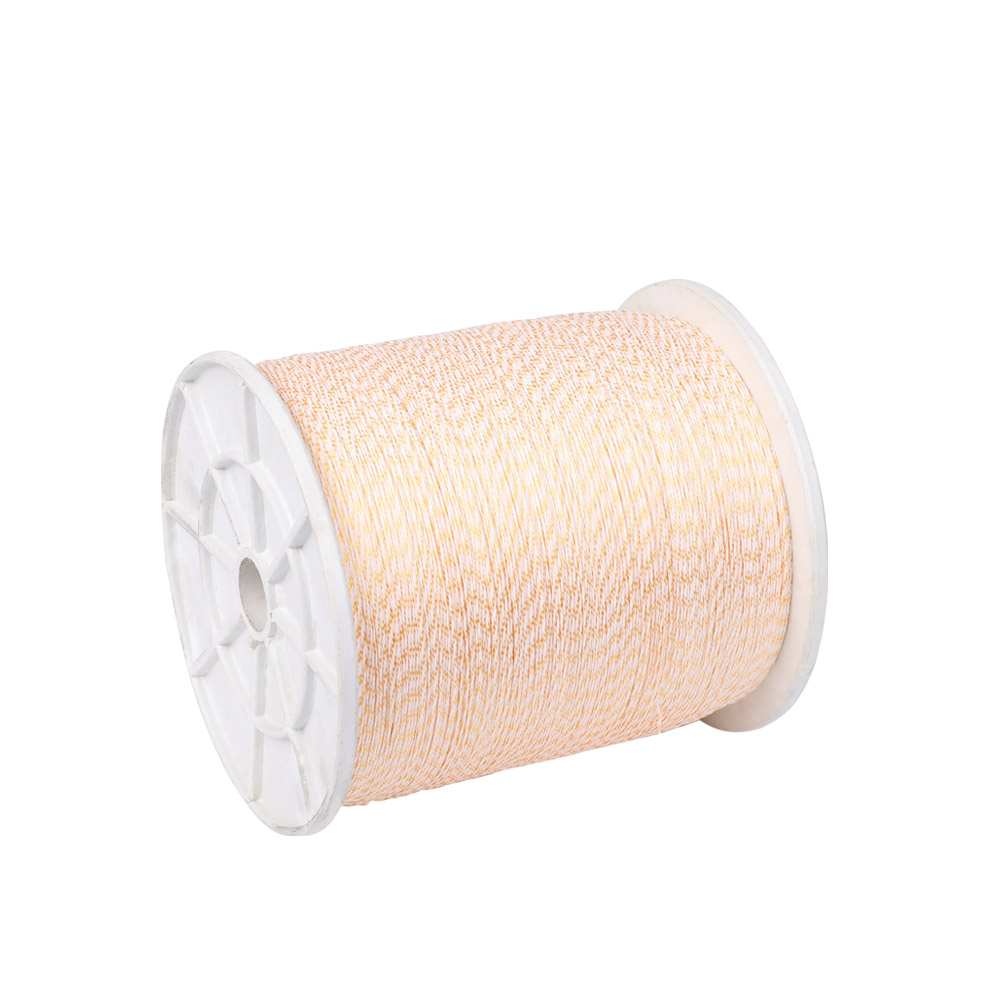
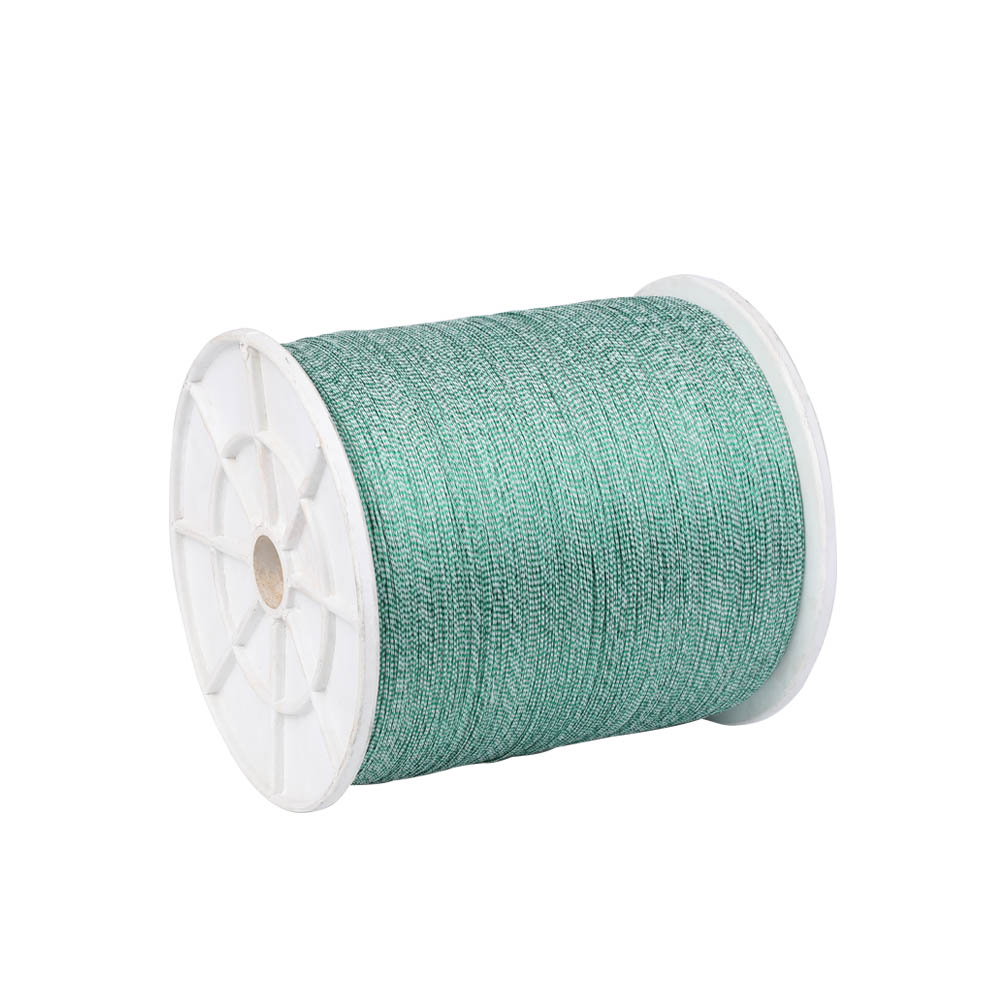
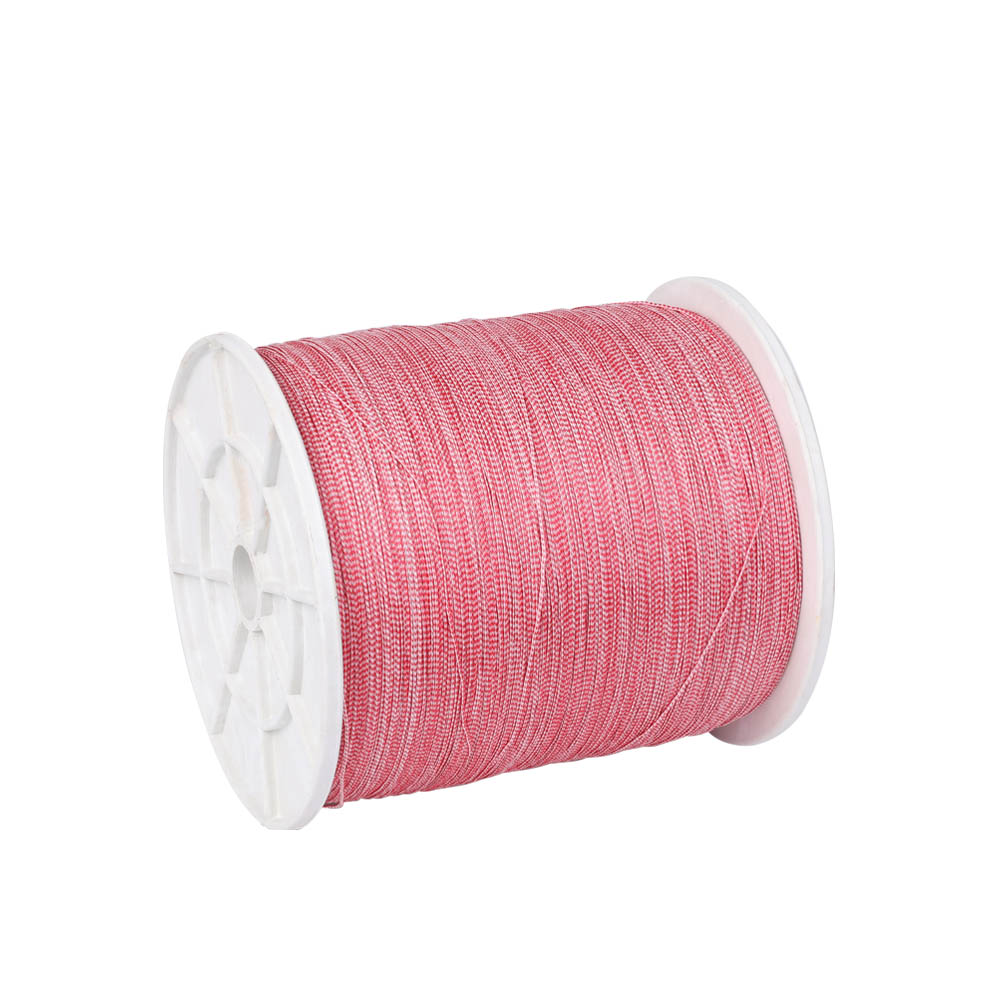
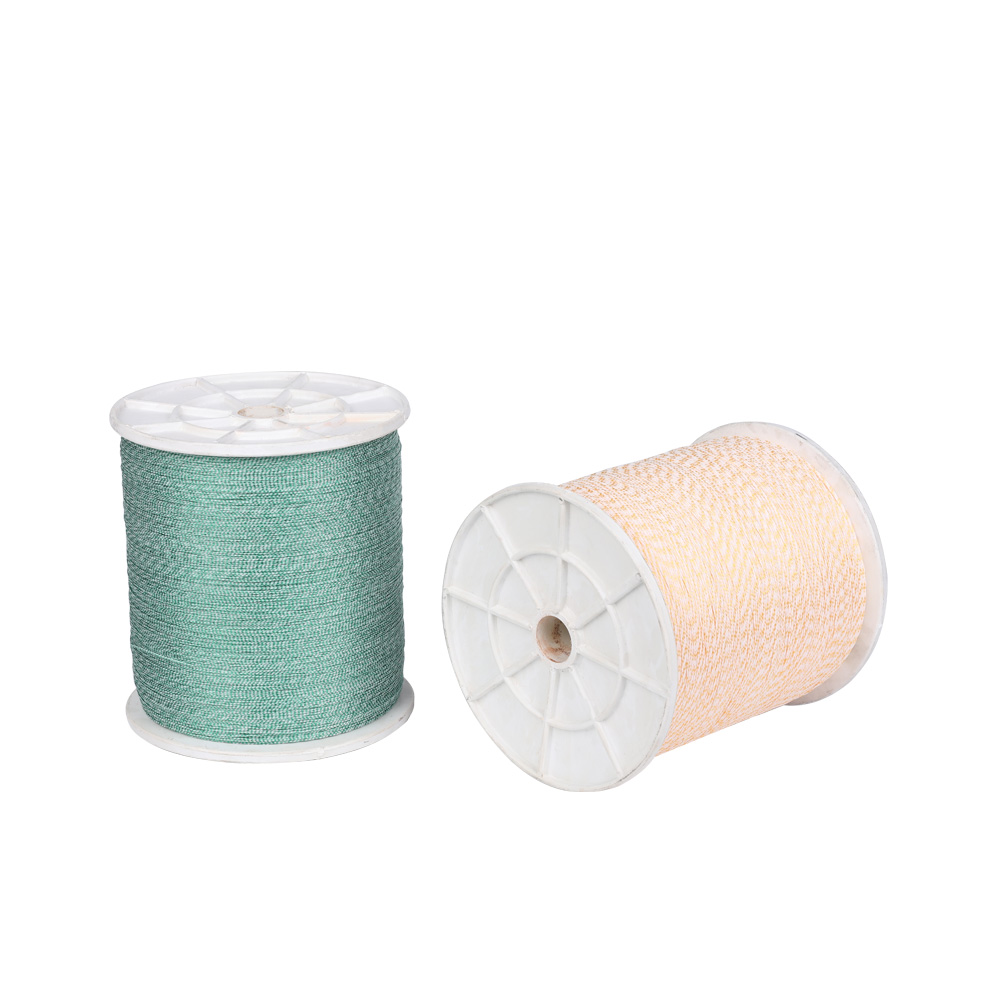
A refrigerator motor binding wire is a specialized insulated conductor used to bundle, secure, and connect the internal winding coils of a refrigerator's compressor motor or fan motor. Inside every refrigerator compressor, there are tightly wound copper coils — the main winding and the start winding — that generate the rotating magnetic field needed to drive the piston and compress refrigerant gas. The binding wire holds these coil assemblies in place, prevents vibration-related movement, and often serves as part of the electrical connection between winding sections.
The term "motor binding wire" is widely used in the appliance repair and refrigeration manufacturing industries to refer to both the structural lacing wire that physically ties coil bundles together and the fine magnet wire (enameled copper wire) used to wind the coils themselves. In the context of refrigerator repair and replacement parts, it most often refers to the external binding or lacing wire that secures the stator winding assembly and the insulated lead wires that exit the compressor shell to connect to the start relay and overload protector. Understanding the role this wire plays is essential for anyone diagnosing compressor failures or sourcing replacement components.
The Role of Binding Wire in a Refrigerator Compressor Motor
The compressor is the heart of any refrigerator, and the motor inside it operates under demanding conditions: continuous vibration, temperature cycling between cold refrigerant and electrical heat, and chemical exposure from the refrigerant and compressor oil mixture. The binding wire in a refrigerator motor serves several critical functions that directly affect compressor reliability and lifespan.
Mechanical Stabilization of Winding Coils
The stator winding coils in a compressor motor are subjected to electromagnetic forces during every start and run cycle. Without binding wire lacing the coil bundles tightly together and securing them to the stator core, these forces cause the coils to shift, vibrate, and eventually abrade against each other or the stator laminations. The insulation on the fine magnet wire is extremely thin — often just a few microns of polyester or polyamide-imide enamel — and repeated mechanical contact quickly wears through it, causing inter-turn short circuits and winding failure. The binding wire prevents this movement and dramatically extends coil life.
Electrical Insulation and Phase Separation
In addition to mechanical support, binding wire used in the slot insulation and end-turn areas of the motor winding provides a physical barrier between different electrical phases and between the winding conductors and the grounded stator core. This is especially important in the end-turn regions — the curved portions of the winding that extend beyond the stator lamination stack — where coils from different phases come into close proximity. The binding wire, combined with slot liners and phase insulation paper, forms a complete insulation system that must withstand the operating voltage and resist degradation from refrigerant chemicals over years of service.
Connection and Routing of Lead Wires
The lead wires that exit the compressor shell — typically three terminals labeled C (common), S (start), and R (run) — are connected internally to the motor winding ends and must be routed safely through the compressor housing without contact with moving parts or sharp edges. Binding wire or lacing cord secures these lead connections and routes the wire harness along a protected path to the hermetic terminals on the shell. A failure in this routing — such as a loose lead wire that contacts the rotating crankshaft — causes immediate catastrophic damage to the compressor.
Types of Binding Wire Used in Refrigerator Motors
Different types of binding wire are used at different points in refrigerator motor construction. Selecting the correct type for repair or rewinding work requires understanding the specific application and the environmental conditions inside the compressor.
| Type | Material | Application | Temperature Rating |
| Enameled Copper Magnet Wire | Copper with polyester/polyamide-imide enamel | Main and start winding coils | Class B (130°C) to Class H (180°C) |
| Polyester Lacing Cord | Woven polyester fiber | End-turn binding and coil bundling | 130–155°C |
| Glass Fiber Binding Tape | Woven fiberglass with varnish coating | High-temperature coil securing | 180–200°C |
| Insulated Lead Wire (PVC/PTFE) | Stranded copper with PVC or PTFE insulation | C/S/R terminal connections and external leads | 105°C (PVC) / 200°C (PTFE) |
| Varnish-Impregnated Cotton Thread | Cotton with insulating varnish | Legacy/older compressor rewinding | 105–120°C |
For modern hermetic refrigerator compressors operating with HFC refrigerants (R-134a, R-600a) and synthetic ester oils, all binding materials must be chemically compatible with both the refrigerant and the lubricant. Polyester lacing cord and polyamide-imide enameled wire are the current industry standards because they resist attack from these chemicals far better than older cotton or PVC-based materials.
Signs That the Motor Binding Wire in Your Refrigerator Has Failed
Binding wire failure is one of several internal compressor faults that can cause a refrigerator to stop cooling. Because the compressor is a sealed hermetic unit, internal faults cannot be visually inspected without cutting the shell open — but several diagnostic symptoms strongly suggest winding or binding wire problems.
Compressor Hums but Does Not Start
A refrigerator compressor that produces a humming sound for a few seconds and then clicks off (tripping the overload protector) is showing classic signs of a locked rotor or winding fault. If the start winding binding has failed and the start winding coils have shorted together or to the run winding, the motor loses starting torque and draws excessive current. The overload protector trips to prevent overheating, and the cycle repeats every few minutes. This behavior is distinct from a simple capacitor or start relay failure, which produces similar symptoms but is far easier and cheaper to fix.
Compressor Runs but Refrigerator Does Not Cool
If the compressor motor runs continuously without the refrigerator reaching temperature, a partial winding short may be present. A partial inter-turn short reduces the effective impedance of the winding, causing the motor to run but with reduced torque and efficiency. The compressor may still pump some refrigerant but at insufficient pressure to achieve proper cooling. This condition is often accompanied by elevated compressor shell temperature and higher-than-normal current draw measurable with a clamp meter.
Burning Smell or Tripped Circuit Breaker
A complete winding-to-ground fault — where a conductor with failed insulation contacts the compressor shell — produces a direct short circuit that either trips the household breaker or blows the compressor's internal thermal fuse. A burning smell near the refrigerator, particularly a distinctive electrical insulation odor, is a strong indicator that the motor winding insulation has burned through. At this stage, the compressor is almost certainly beyond field repair and requires full replacement.
Electrical Tests That Reveal Winding Problems
Before condemning a compressor, several quick electrical checks can confirm or rule out winding binding wire failures:
- Winding resistance check: Measure resistance between the C, S, and R terminals with a multimeter. The resistance from R to S should equal the sum of C-to-R and C-to-S. Values that are wildly inconsistent with the nameplate or that show near-zero resistance between terminals indicate a short circuit in the winding.
- Ground insulation test: Measure resistance between any terminal and the bare compressor shell. A healthy compressor shows infinite resistance (open circuit) on a standard multimeter. Any measurable resistance — even in the megohm range — indicates insulation breakdown and potential winding-to-ground fault.
- Open winding check: If the multimeter shows OL (infinite resistance) between terminals that should have a measurable resistance, the winding circuit is open — likely a broken lead wire connection or a completely burned-through coil section.
Specifications to Know When Sourcing Replacement Refrigerator Motor Binding Wire
When sourcing replacement binding wire for refrigerator motor rewinding or repair work, matching the correct specifications is essential for reliability and safety. Using substandard wire — particularly wire with insufficient insulation class or wrong chemical compatibility — can result in premature failure of the rewound motor.
- Wire gauge (AWG or mm²): The gauge of the original magnet wire must be matched exactly when rewinding a compressor motor. Using thinner wire increases resistance and heat generation; using thicker wire may not fit the slot geometry. Most small household refrigerator compressor motors use magnet wire in the range of 0.4 mm to 1.0 mm diameter (approximately AWG 26 to AWG 18).
- Insulation class: At minimum, Class F (155°C) enameled wire should be used for refrigerator compressor rewinding. Class H (180°C) is preferable for longer service life, as compressor winding temperatures regularly exceed 130°C during heavy load conditions, leaving little safety margin with Class B wire.
- Enamel type: Polyamide-imide (PAI) over polyester (PE) dual-coat enamel — often sold as "200 class" or "solderable" magnet wire — offers the best combination of thermal endurance, chemical resistance to refrigerants and ester oils, and mechanical toughness. Single-coat polyester enamel is the minimum acceptable standard.
- Lacing cord specification: Polyester lacing cord for end-turn binding should be rated for at least 130°C and certified as compatible with refrigerant and oil contact. Avoid cotton or nylon lacing in modern compressor applications — these materials absorb moisture and degrade chemically in HFC/ester oil environments.
- Lead wire specification: Replacement lead wires connecting the winding to the hermetic terminals must use PTFE (Teflon) or cross-linked polyethylene (XLPE) insulation rather than standard PVC. PVC insulation can crack and harden due to refrigerant contact and thermal cycling inside the compressor shell, eventually causing short circuits at the terminal connections.
Can a Refrigerator Compressor Motor Be Rewound at Home?
Rewinding a hermetic compressor motor is a highly specialized process that goes well beyond typical appliance repair. It involves cutting open the welded compressor shell, disassembling the motor and pump mechanism, removing and replacing the failed winding wire, relacing the coils with fresh binding cord, varnish impregnating the completed winding, and then reassembling and resealing the unit under vacuum before recharging with refrigerant. Each step requires specific tools and technical knowledge that are not practical for home repair.
In practice, hermetic refrigerator compressors are almost universally replaced rather than rewound when the motor winding fails. The cost of a replacement compressor — particularly for common brands like Embraco, Danfoss, or LG — is often comparable to or less than the labor cost of professional rewinding, and a new compressor comes with a warranty and known-good performance specifications. Rewinding is economically justified only for very large industrial refrigeration compressors where replacement units are expensive and have long lead times.
However, understanding the role of the binding wire is directly relevant to purchasing quality replacement compressors and to diagnosing compressor failures correctly. When buying a replacement compressor, it is worth confirming that the internal winding uses Class F or Class H insulation and refrigerant-compatible binding materials — specifications that reputable manufacturers list in their technical datasheets.
How Binding Wire Quality Affects Refrigerator Compressor Longevity
The quality of the motor binding wire and winding insulation system has a direct and measurable impact on how long a refrigerator compressor lasts. Premium compressors from reputable manufacturers invest significantly in winding materials — using dual-coated polyamide-imide magnet wire, high-temperature polyester lacing, slot liners with superior dielectric strength, and vacuum pressure impregnation (VPI) varnish treatment of the complete stator assembly.
VPI treatment is particularly important: after winding and binding, the entire stator is submerged in insulating varnish under vacuum and then pressure, forcing the varnish deep into every space between the winding conductors. When cured, this creates a rigid, chemically resistant monolithic structure that resists vibration, moisture, refrigerant attack, and the gradual thermal aging that eventually degrades lesser winding systems. Compressors built with VPI-treated windings consistently show longer field service life and lower warranty failure rates than those with simple dip-varnish treatment.
Budget compressors often cut costs by using lower insulation class wire, omitting proper VPI treatment, and using minimal binding — relying on the coil geometry alone to hold the winding in place. While these compressors may perform adequately under ideal conditions, they are significantly more vulnerable to failure under voltage fluctuations, high ambient temperatures, or refrigerant contamination events that a premium compressor would survive without damage.
Practical Tips for Buying Refrigerator Motor Binding Wire for Repair Work
For technicians, appliance repair shops, or refrigeration professionals who do source motor binding wire for repair or small motor rewinding projects, the following practical guidance helps ensure you get the right material:
- Buy from electrical motor supply specialists: General hardware stores rarely stock motor-grade magnet wire with the correct enamel specifications. Specialist electrical motor and transformer supply distributors carry the full range of gauges and insulation classes, along with technical datasheets confirming refrigerant compatibility.
- Verify the enamel grade on the spool label: Look for IEC 60317 or NEMA MW series designations on the wire spool. These international standards specify the enamel type, thickness, and temperature class, allowing you to confirm you are purchasing genuine rated wire rather than unmarked commodity wire of unknown quality.
- Match the original wire gauge precisely: Before removing failed winding wire from a compressor stator, measure the conductor diameter with a micrometer or wire gauge tool before the enamel degrades further. Even a one-gauge difference significantly changes winding resistance and motor performance.
- Use refrigerant-rated lacing cord only: Sourcing lacing cord marketed for general electrical use rather than specifically for hermetic motor applications risks chemical incompatibility. Look for cord explicitly rated for use with R-134a, R-600a, or R-290 refrigerants and polyol ester (POE) or mineral oil lubricants.
- Consider a complete winding kit: Several specialist suppliers offer pre-packaged refrigerator compressor winding kits that include the correct magnet wire, slot liner paper, lacing cord, and phase insulation for common compressor frame sizes. These kits eliminate the guesswork of sourcing individual components and are worth the slight premium for lower-volume repair operations.
Summary: Why the Refrigerator Motor Binding Wire Is More Important Than It Looks
The refrigerator motor binding wire may seem like a minor component — a few strands of lacing cord or a spool of enameled copper — but it is fundamental to the structural and electrical integrity of the compressor motor that keeps your refrigerator running. Without properly specified and applied binding wire, even a perfectly designed motor winding will fail prematurely under the mechanical and chemical stresses of continuous hermetic compressor operation.
For appliance owners, understanding this component helps make sense of compressor failure diagnostics and informs smarter purchasing decisions when selecting replacement compressors — favoring units with documented high-grade winding insulation over the cheapest available option. For technicians and repair professionals, knowing the specifications and sourcing requirements for refrigerator motor binding wire is an essential part of delivering durable, reliable repair work that genuinely extends appliance life rather than just deferring the next failure.