English
 中文简体
中文简体

Content
- 1 What Is Polyester Binding Wire and How Does It Differ from Other Binding Materials?
- 2 Material Properties: Why PET Makes an Effective Binding Wire
- 3 Product Types and Formats of Polyester Binding Wire
- 4 Industrial Applications of Polyester Binding Wire
- 5 Polyester Binding Wire vs. Steel Wire and Polypropylene Wire: A Direct Comparison
- 6 How to Select the Right Polyester Binding Wire for Your Application
- 7 Storage, Handling, and Sustainability Considerations
What Is Polyester Binding Wire and How Does It Differ from Other Binding Materials?
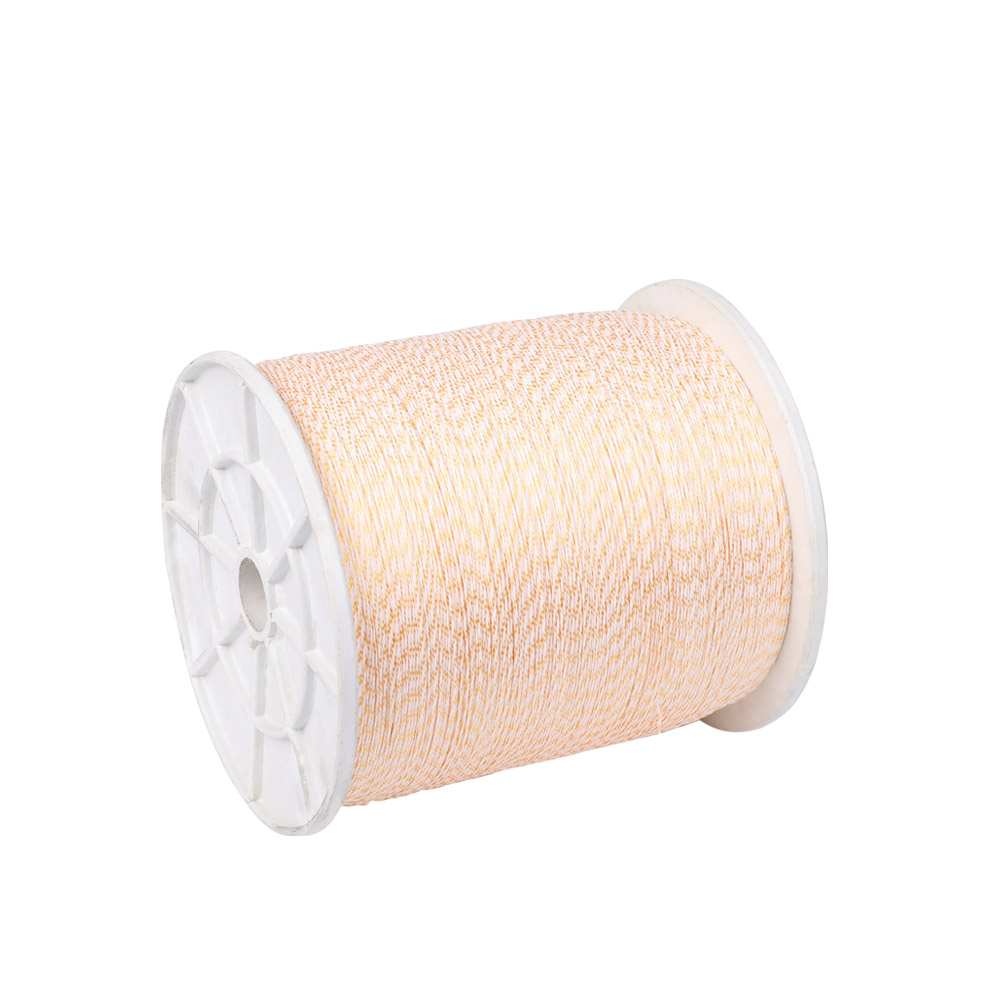
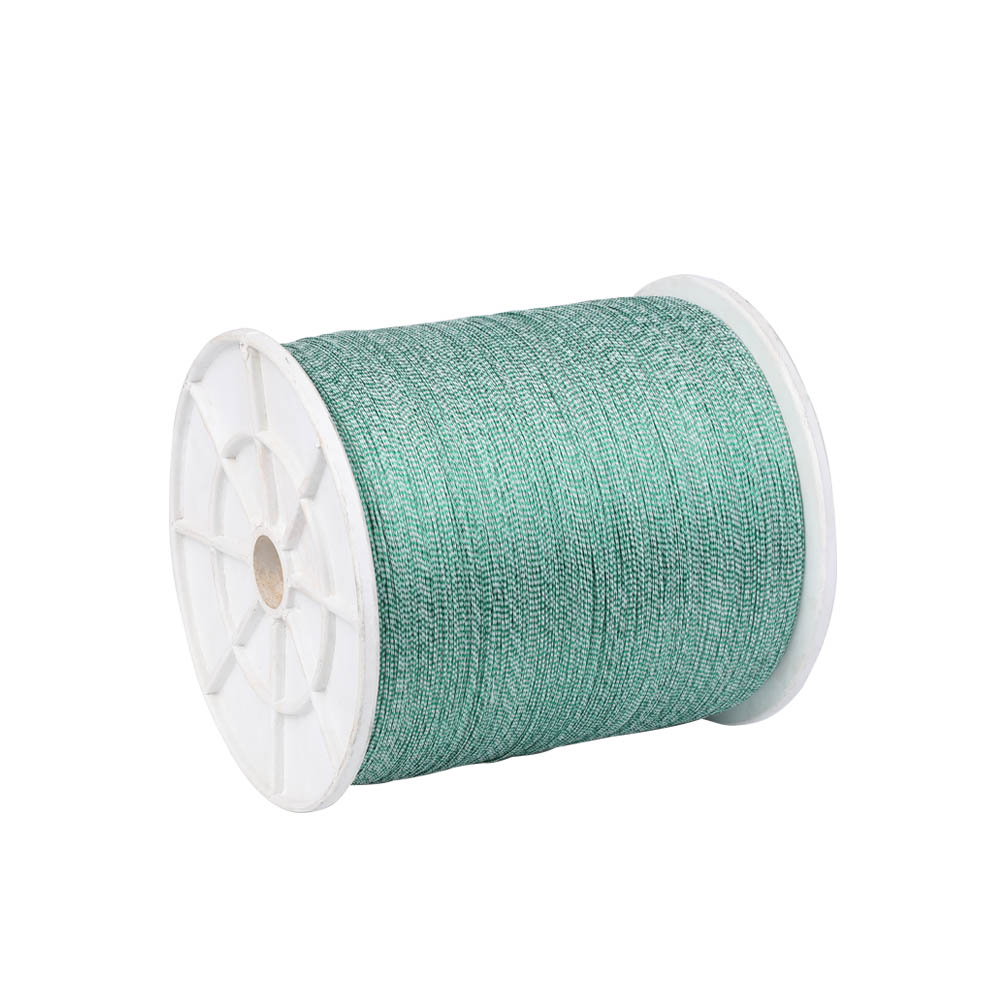
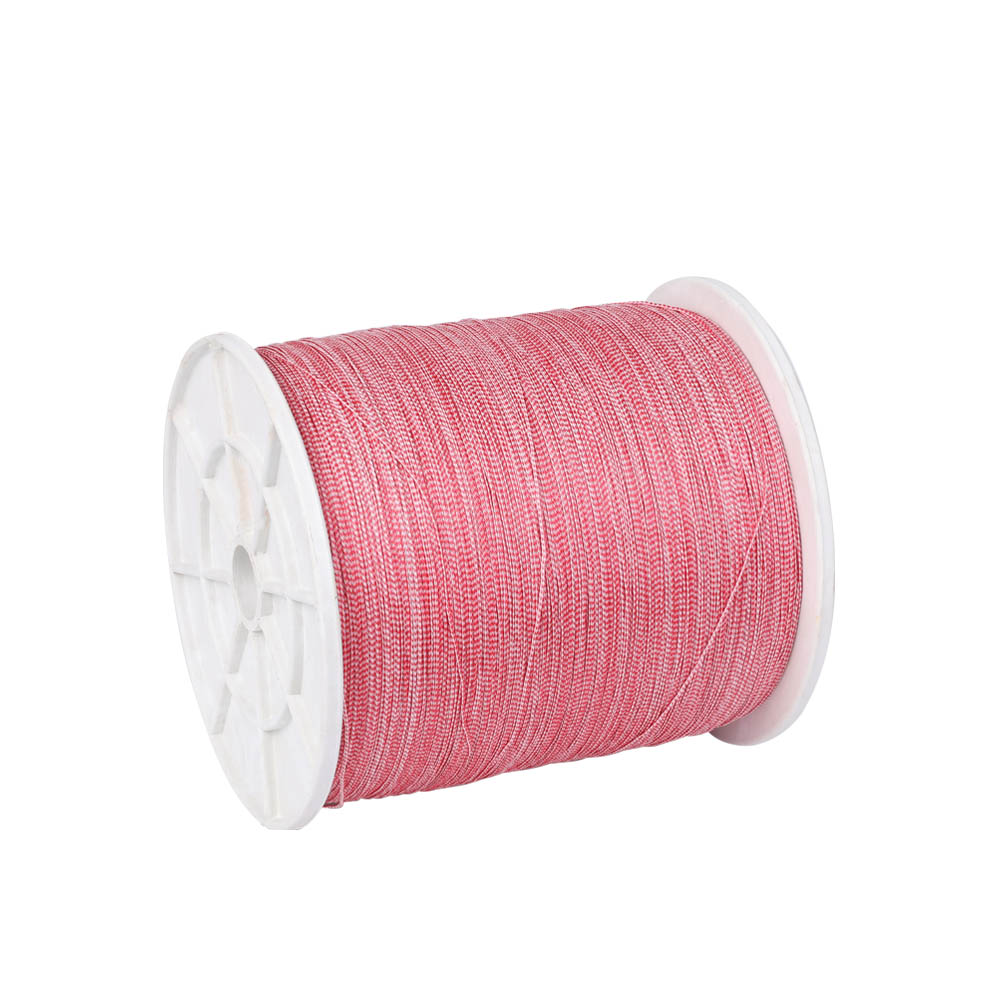
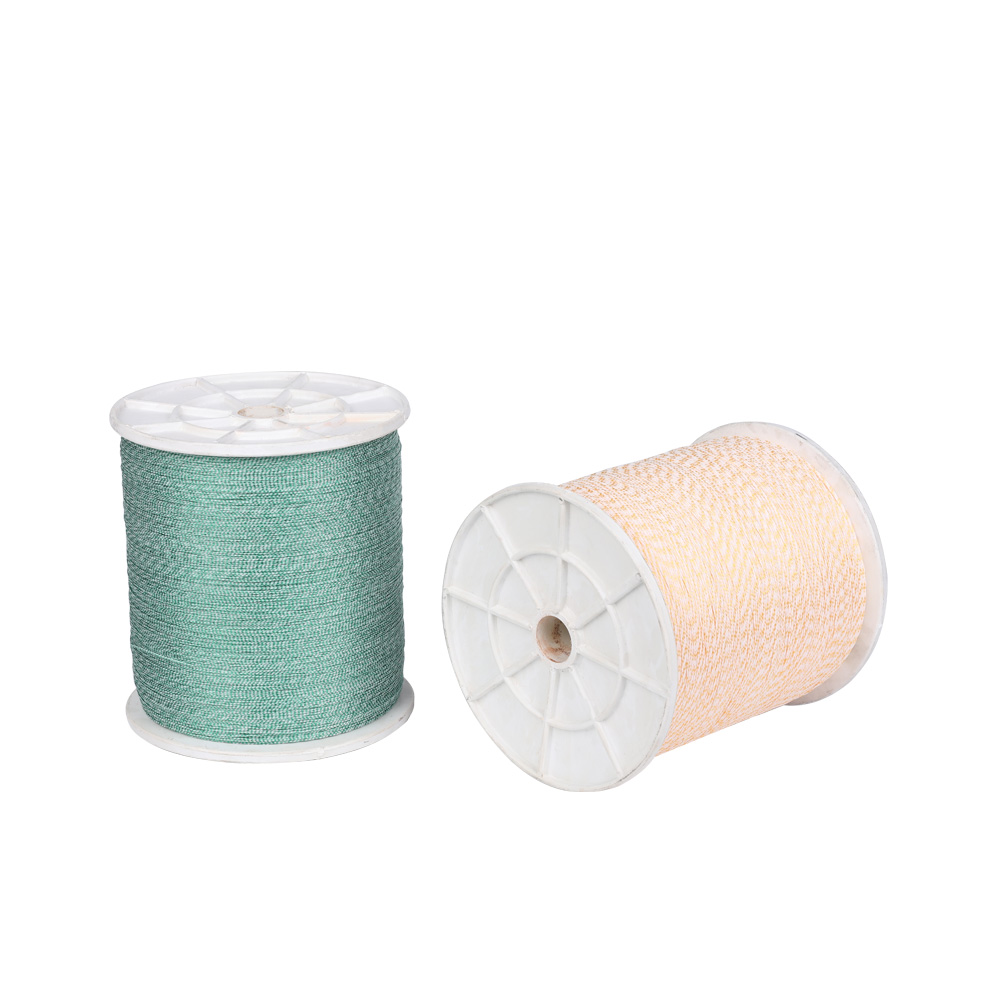
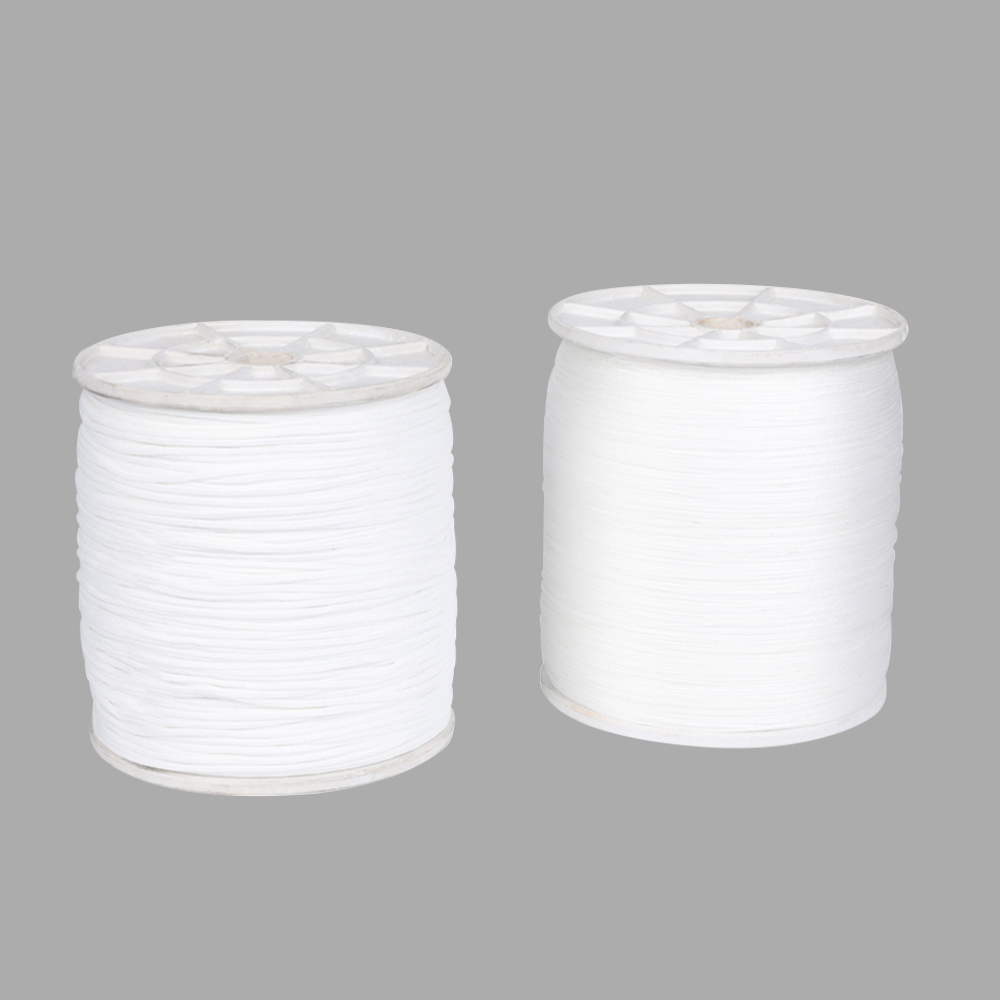
Polyester binding wire — also referred to as PET binding wire, polyester strapping wire, or plastic binding wire — is a high-strength bundling and securing product manufactured from polyethylene terephthalate (PET), the same base polymer used in beverage bottles and textile fibers. In binding wire form, PET resin is extruded, oriented, and processed into a filament or flat wire profile engineered to deliver tensile strength, elasticity, and resistance to environmental degradation for industrial packaging, agricultural bundling, construction reinforcement, and general-purpose securing applications.
The key distinction between polyester binding wire and competing materials lies in its unique combination of mechanical and chemical properties. Compared to steel binding wire, PET binding wire is significantly lighter, completely rust-proof, safe to handle without protective gloves, and does not damage soft or surface-finished products on contact. Compared to polypropylene (PP) binding wire or strapping, polyester offers substantially higher tensile strength, superior elastic recovery after elongation, better resistance to stress relaxation under sustained load, and improved performance at both elevated and reduced temperatures. These differences make polyester binding wire the preferred choice wherever load retention over time, corrosion resistance, or worker safety are primary considerations.
Material Properties: Why PET Makes an Effective Binding Wire
The performance of polyester binding wire is rooted in the molecular architecture of polyethylene terephthalate and the drawing and orientation process applied during manufacturing. Understanding these material fundamentals helps users predict how the wire will behave in service and select appropriate specifications for demanding applications.
PET polymer chains are inherently semi-crystalline, and when the extruded filament is drawn — stretched under controlled temperature and tension to several times its original length — the polymer chains align in the draw direction, dramatically increasing tensile strength and stiffness while reducing elongation to break. This orientation process is the same principle exploited in high-tenacity PET textile yarns and industrial fibers. The resulting polyester binding wire exhibits a tensile strength that typically ranges from 400 to over 800 MPa depending on the degree of orientation, cross-sectional geometry, and resin grade — a range that competes meaningfully with mild steel wire while at a fraction of the density.
Critically, PET retains approximately 90–95% of its room-temperature tensile strength at temperatures up to 80°C, and maintains useful flexibility and toughness down to -40°C, making it suitable for cold-chain logistics and outdoor applications in extreme climates. Its moisture absorption is extremely low (typically less than 0.3% by weight at saturation), meaning mechanical properties are essentially unaffected by humidity or rain exposure — a significant advantage over natural fiber binding materials and certain technical textiles.
Key Physical and Mechanical Properties at a Glance
| Property | Typical Value / Range |
| Base Polymer | Polyethylene terephthalate (PET) |
| Density | 1.38–1.41 g/cm³ |
| Tensile Strength | 400–850 MPa |
| Elongation at Break | 10–25% |
| Elastic Recovery | Excellent — >90% at moderate strain |
| Moisture Absorption | <0.3% at saturation |
| Operating Temperature Range | -40°C to +80°C |
| UV Resistance (untreated) | Moderate — stabilizers recommended for outdoor use |
| Chemical Resistance | Excellent to dilute acids, alkalis, oils |
| Corrosion Resistance | Complete — no rust or oxidation |
| Recyclability | Yes — resin identification code #1 (PET) |
Product Types and Formats of Polyester Binding Wire
Polyester binding wire is manufactured in several distinct product formats, each optimized for specific application requirements and deployment methods. Selecting the correct format is as important as selecting the correct material, since profile geometry, surface finish, and coil or spool configuration all affect how the wire performs in use and how it is applied.
Round Filament Polyester Binding Wire
Round-profile polyester tie wire is the most widely used format for manual binding applications. Available in diameters ranging from 0.5 mm to 3.0 mm, round filament PET binding wire is supplied on coils, spools, or in cut-to-length pieces depending on the application. The round profile provides consistent performance in all directions and is well-suited to hand-twisting or tool-assisted binding operations. Finer gauges (0.5–1.0 mm) are commonly used in floristry, craft, and light agricultural tying applications, while heavier gauges (1.5–3.0 mm) are used for bundling construction materials, securing rebar assemblies, and industrial packaging operations.
Flat Polyester Strapping Wire
Flat-profile polyester strapping wire — sometimes termed PET strap wire or polyester flat wire — has a rectangular cross-section, typically 9 mm to 32 mm wide and 0.4 mm to 1.3 mm thick. This format is the standard product for machine-applied and hand-tool-applied strapping of industrial goods, where the flat profile distributes load over a wider contact area than round wire, reducing the risk of surface indentation on soft or finished products. Flat polyester binding wire is the dominant format in heavy-duty unit load securing, steel coil and sheet bundling, paper and board roll strapping, and timber and building material packaging.
Twisted and Braided Polyester Binding Wire
For applications requiring a combination of flexibility and strength that single-filament wire cannot provide — such as securing irregular-shaped bundles, vine training in viticulture, or attaching agricultural netting — twisted or braided polyester binding wire offers a useful alternative. Multiple fine PET filaments are twisted or braided together to form a composite strand that is more conformable than an equivalent single-filament wire while retaining overall tensile strength close to the sum of the individual filament capacities. Twisted polyester binding wire also absorbs vibration and dynamic loading better than rigid single-filament variants, making it suitable for transport securing applications subject to vibration fatigue.
Coated Polyester Binding Wire
Standard PET binding wire can be coated with a thin layer of polyethylene, PVC, or other polymers to improve surface slip characteristics, provide color coding for identification purposes, enhance UV resistance for outdoor applications, or increase grip when the wire is twisted and must not unravel under vibration. Paper-covered polyester wire — where a kraft paper wrapping is applied over the PET filament core — is widely used in the cut-flower and plant nursery industries, where the paper surface allows the wire to be torn cleanly and provides a more natural appearance in retail floral products.
Industrial Applications of Polyester Binding Wire
The versatility of PET binding wire has driven its adoption across a remarkably wide range of industries. Its application in each sector exploits a specific subset of its material properties — whether tensile strength, corrosion resistance, product-surface compatibility, or worker safety.
Packaging and Logistics
Heavy-duty flat polyester strapping wire is the industry standard for unitizing palletized loads, securing large packages on transit frames, and bundling multiple boxes or sacks into a single shippable unit. In distribution centers and automated strapping operations, machine-grade PET strapping is applied by semi-automatic or fully automatic strapping machines at speeds of up to 60 straps per minute, replacing steel strapping in applications where worker laceration risk from broken steel strap ends, product surface damage, and corrosion were previously accepted as unavoidable costs. The elastic recovery of polyester strapping — which allows it to recover and maintain strap tension after load settlement or thermal contraction during cold-chain transport — provides a significant functional advantage over polypropylene strapping, which stress-relaxes rapidly under sustained load.
Construction and Building Materials
In the construction industry, polyester binding wire is used extensively for tying rebar assemblies in reinforced concrete structures, bundling timber framing members, securing insulation batts to wall frames, and packaging bricks, blocks, and roofing tiles for transport and site delivery. PET rebar tie wire offers complete corrosion immunity — an important consideration in coastal construction environments or bridge decks where chloride-induced corrosion of steel tie wire can initiate concrete spalling. Heavier-gauge twisted polyester binding wire is also used to secure scaffold boards and temporary protective fencing where a strong, reusable, rust-free fastening is needed.
Agriculture and Horticulture
Agricultural applications of polyester binding wire are among the most diverse, spanning vineyard trellis training, tomato and cucumber plant staking, orchard tree tying, hop yard string replacement, and bundling of cut flowers and nursery stock. PET tie wire outperforms natural jute or sisal twines in outdoor agricultural use by maintaining its mechanical properties throughout the growing season regardless of rain, UV exposure (with UV-stabilized grades), or fertilizer and pesticide chemical contact. Paper-covered polyester wire has become the material of choice for retail cut-flower bouquet binding and plant pot labeling, where the combination of a natural-looking paper surface and a high-strength PET core delivers both aesthetic and functional performance.
Electronics and Cable Management
Fine-gauge polyester binding wire in round or flat format is widely used in electronics manufacturing and cable management for bundling wire harnesses, securing cables to cable trays and conduit supports, and organizing internal wiring in panels and enclosures. PET wire is preferred over metal wire in electronic environments because it eliminates any risk of short-circuit from contact between the binding material and live conductors, and its smooth surface does not abrade cable insulation during installation or under vibration. In high-density wiring harness assembly for automotive and aerospace applications, twisted polyester binding wire is specified precisely because its braided structure conforms tightly to irregular bundle shapes and grips the bundle against loosening under vibration.
Steel and Metal Industry
Flat PET strapping wire is the standard bundling material for steel coils, sheet packs, tube and pipe bundles, and structural section packs throughout the steel distribution and processing sector. Its advantages over steel strapping in these applications include zero risk of galvanic corrosion contaminating the steel product surface, safer handling for workers (no sharp strap ends), lighter weight per unit length (approximately 15–20% of equivalent steel strap weight), and no requirement for metal waste disposal infrastructure at the receiving end. For stainless steel and aluminum coil packaging in particular, where steel strap contact marks or iron contamination of the product surface are quality-critical defects, polyester binding wire or strapping is often mandated by customer specification.
Polyester Binding Wire vs. Steel Wire and Polypropylene Wire: A Direct Comparison
Choosing between polyester, steel, and polypropylene binding wire requires a structured evaluation of the properties most relevant to the intended application. The following comparison highlights the key differentiators across the three most common binding wire materials:
| Property / Factor | Polyester (PET) | Steel Wire | Polypropylene (PP) |
| Tensile Strength | High | Very High | Medium |
| Elastic Recovery | Excellent | Poor (permanent set) | Poor (stress relaxation) |
| Corrosion Resistance | Complete | Poor (rusts) | Complete |
| Weight (relative) | Low | High | Very Low |
| Worker Safety | Safe — no sharp edges | Laceration risk | Safe |
| Product Surface Safety | Excellent | Can mark/contaminate | Good |
| Temperature Performance | -40°C to +80°C | Wide range | -10°C to +60°C |
| UV Resistance | Moderate (stabilizable) | N/A (corrodes) | Poor (degrades rapidly) |
| Cost (relative) | Medium | Medium–High | Low |
| Recyclability | Yes (#1 PET) | Yes (scrap metal) | Yes (#5 PP) |
How to Select the Right Polyester Binding Wire for Your Application
With a wide range of gauges, profiles, surface treatments, and coil configurations available, selecting the most appropriate polyester binding wire requires evaluating several key application parameters systematically. The following decision criteria cover the most critical variables:
- Required breaking strength: Determine the maximum load the binding wire must retain, apply an appropriate safety factor (typically 2:1 to 4:1 depending on application criticality), and select a wire gauge and tensile grade that comfortably exceeds the resulting design load. For heavy-duty strapping applications, always verify breaking strength from the manufacturer's test certificate rather than estimating from nominal specifications.
- Profile — round vs. flat: Choose flat-profile PET strapping wire for machine applications, high-load unit securing, and surface-sensitive product bundling where load distribution over a wide contact area is important. Choose round-filament PET wire for manual tying, twisting applications, agricultural binding, cable management, and craft uses where conformability to irregular shapes is needed.
- UV stabilization requirement: If the wire will be used outdoors or in direct sunlight for extended periods — in agricultural, construction, or outdoor logistics applications — specify a UV-stabilized grade containing HALS or UV-absorber additives. Standard non-stabilized PET wire will embrittle and lose tensile strength progressively under prolonged UV exposure.
- Application method — manual, hand tool, or machine: Manual round-wire twisting applications require wire with sufficient ductility to accept twisting without fracture — typically medium-orientation grades with elongation at break of 15–25%. Machine strapping applications require flat wire engineered to specific strap width, thickness, and core diameter tolerances to run reliably through the strapping machine's feed and tensioning system. Always confirm wire specifications against the machine manufacturer's material requirements.
- Chemical environment: While PET has broad chemical resistance, it is susceptible to hydrolytic degradation in prolonged contact with strong acids (above 10% concentration) or strong alkalis at elevated temperature. For applications in aggressive chemical environments, verify compatibility with the specific chemicals present before specifying standard PET wire, or consider coated variants that provide an additional chemical barrier.
- Surface coating and color: For applications requiring product identification, color-coded sorting, or aesthetic suitability — such as retail floral binding or consumer product packaging — specify a coated or paper-covered PET wire in the required color. Confirm that any coating material is compatible with the chemical environment and that the coating does not reduce the wire's tensile or flexibility performance below the required specification.
Storage, Handling, and Sustainability Considerations
Polyester binding wire is a relatively low-maintenance product in terms of storage and handling, but a few practical guidelines help preserve its performance and service life. Coils and spools should be stored in a cool, dry location away from direct sunlight and sources of heat above 60°C — elevated temperatures over extended periods can cause partial crystallization of the PET, increasing stiffness and reducing elongation to break. Wire should be stored off the ground on pallets or racking to prevent moisture absorption through contact with damp concrete floors, and coils should not be stacked in configurations that could cause crushing deformation of the wound profile, which can cause tangling and feed problems during use.
From a sustainability perspective, polyester binding wire carries resin identification code #1 (PET) and is recyclable through industrial PET recycling streams. Post-consumer PET wire and strapping can be collected, sorted, and reprocessed into recycled PET (rPET) resin or fiber for use in non-critical applications. Many major PET strapping manufacturers now offer products incorporating 50–100% post-consumer recycled content, enabling users to reduce the virgin polymer content of their packaging operations without compromising performance. At end of life, PET wire should be segregated from general waste and directed to a materials recovery facility equipped to handle film and rigid PET streams — not discarded in general landfill or, critically, into agricultural environments where plastic wire fragments can persist in soil for decades and enter food production chains.