English
 中文简体
中文简体

Content
- 1 What Is New Energy Vehicle Motor Binding Wire?
- 2 Why Binding Wire Is Important in New Energy Vehicle Motors
- 3 Common Materials Used for EV Motor Binding Wire
- 4
- 5 Manufacturing Requirements for New Energy Vehicle Motor Binding Wire
- 6 Typical Applications in Electric Vehicle Motor Manufacturing
- 7 How to Choose the Right New Energy Vehicle Motor Binding Wire
What Is New Energy Vehicle Motor Binding Wire?
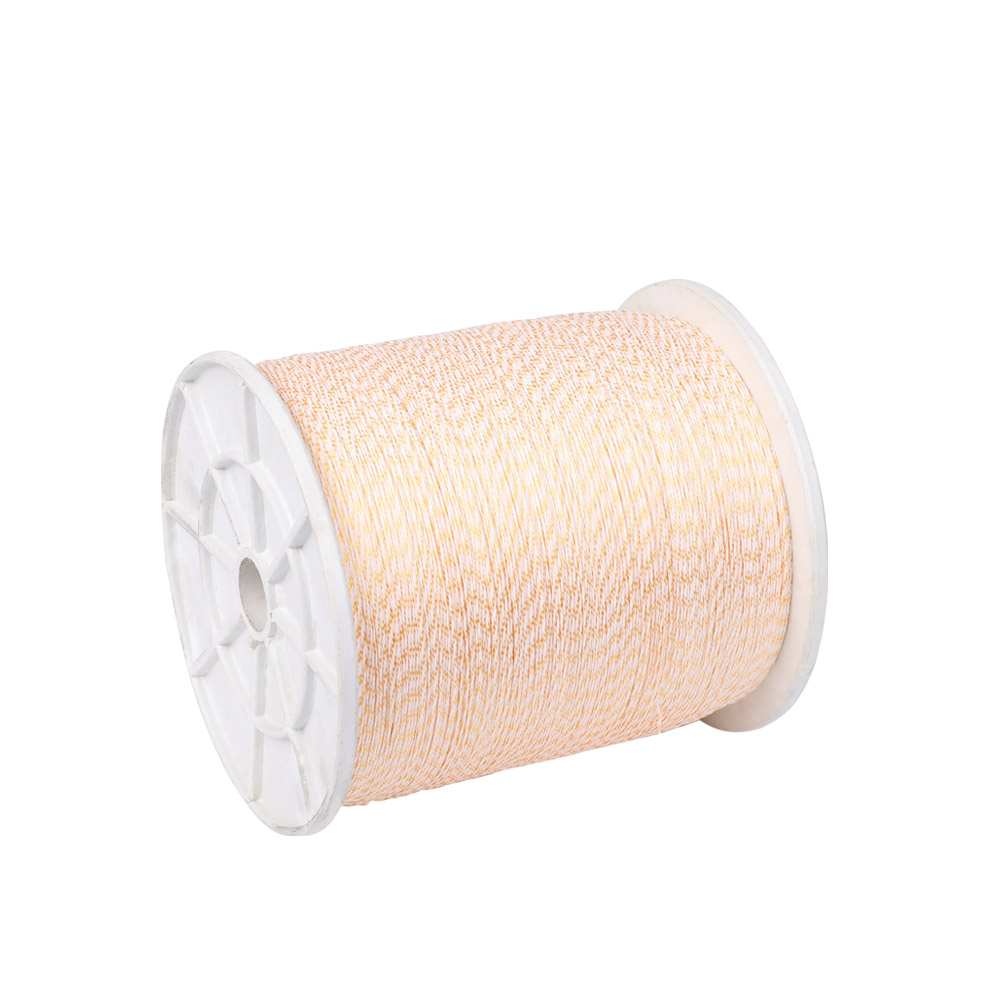
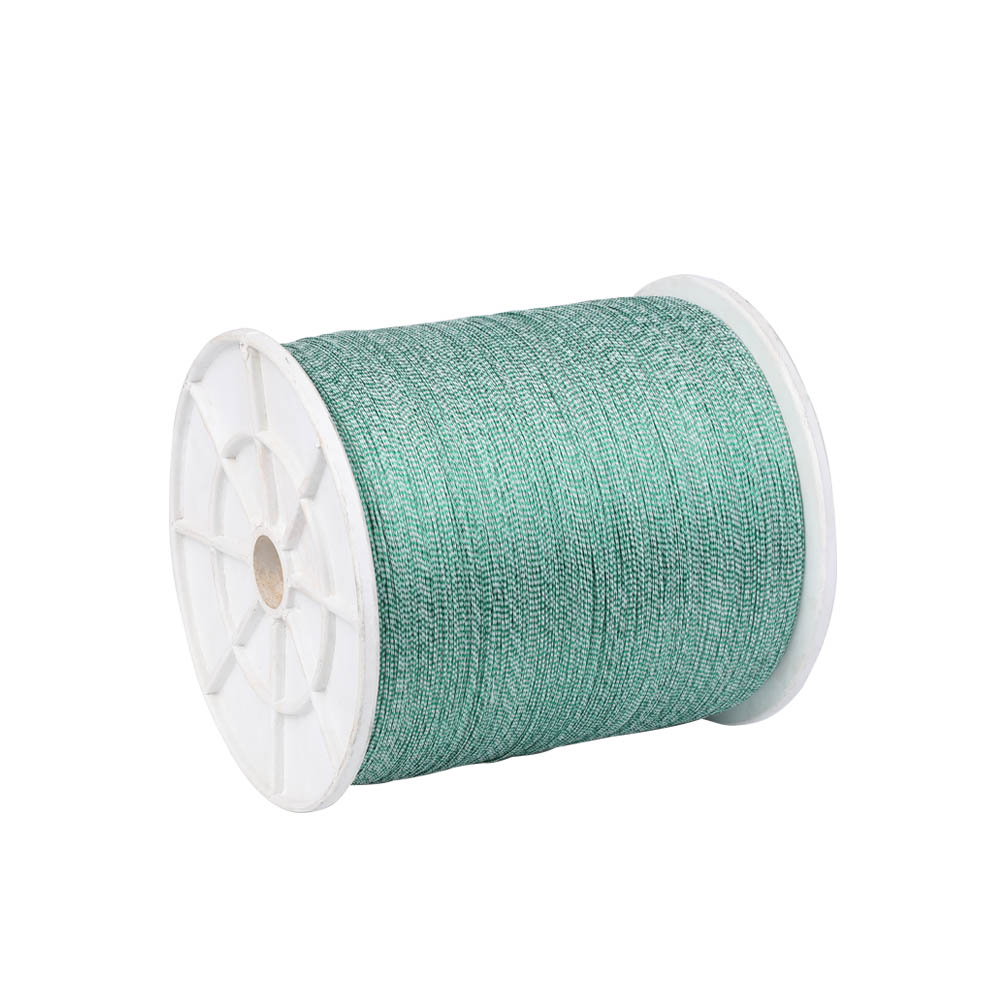
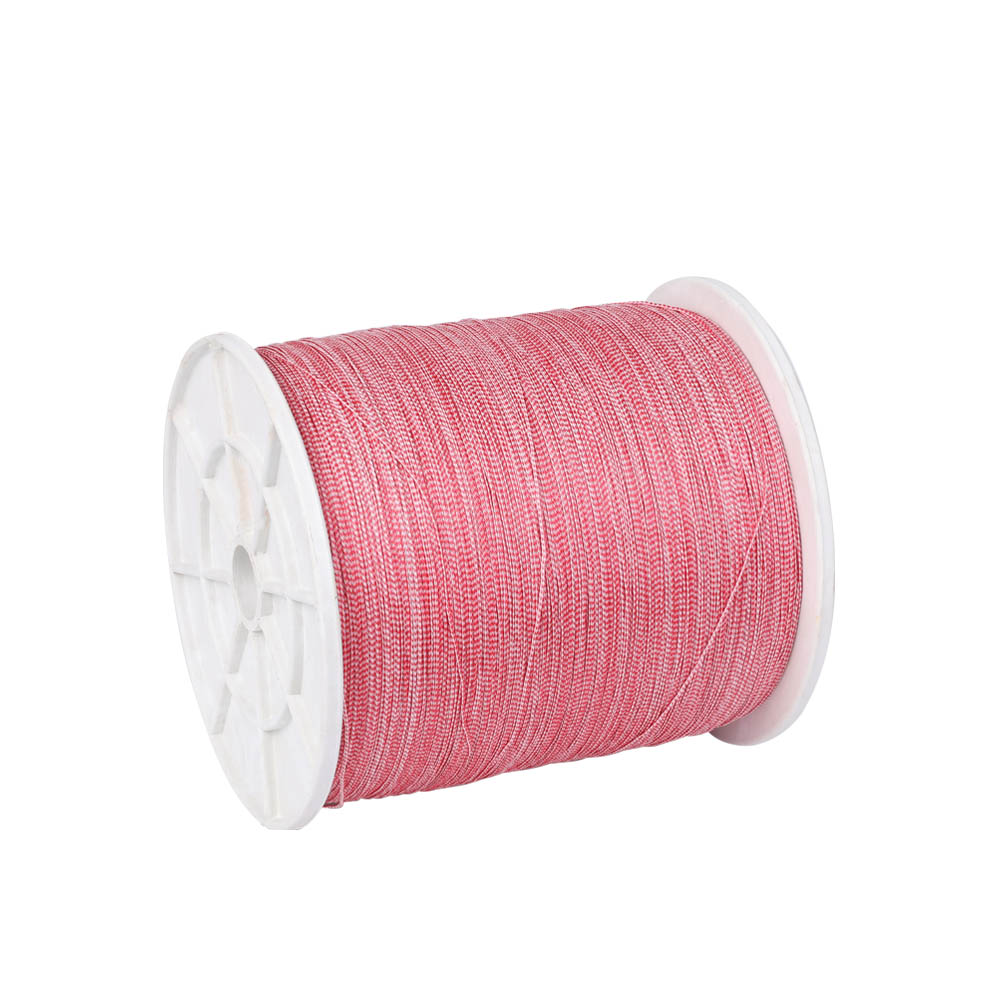
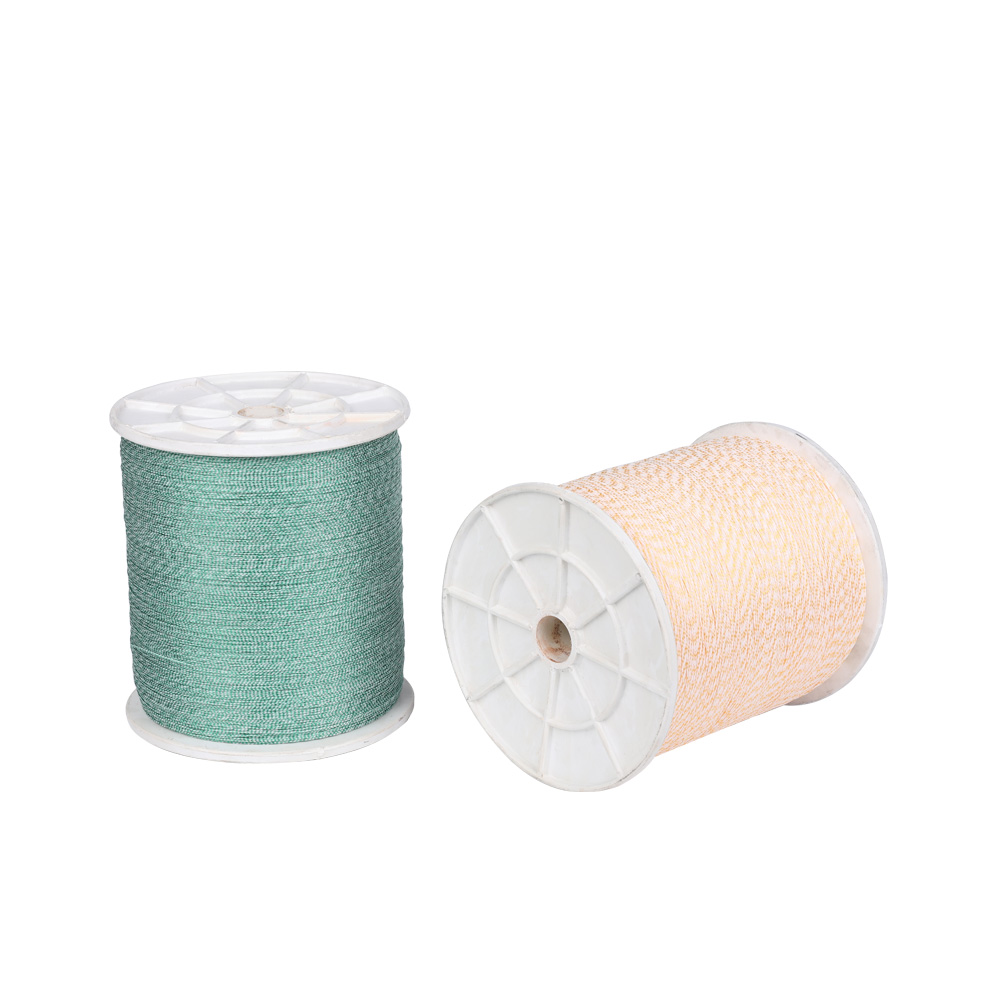
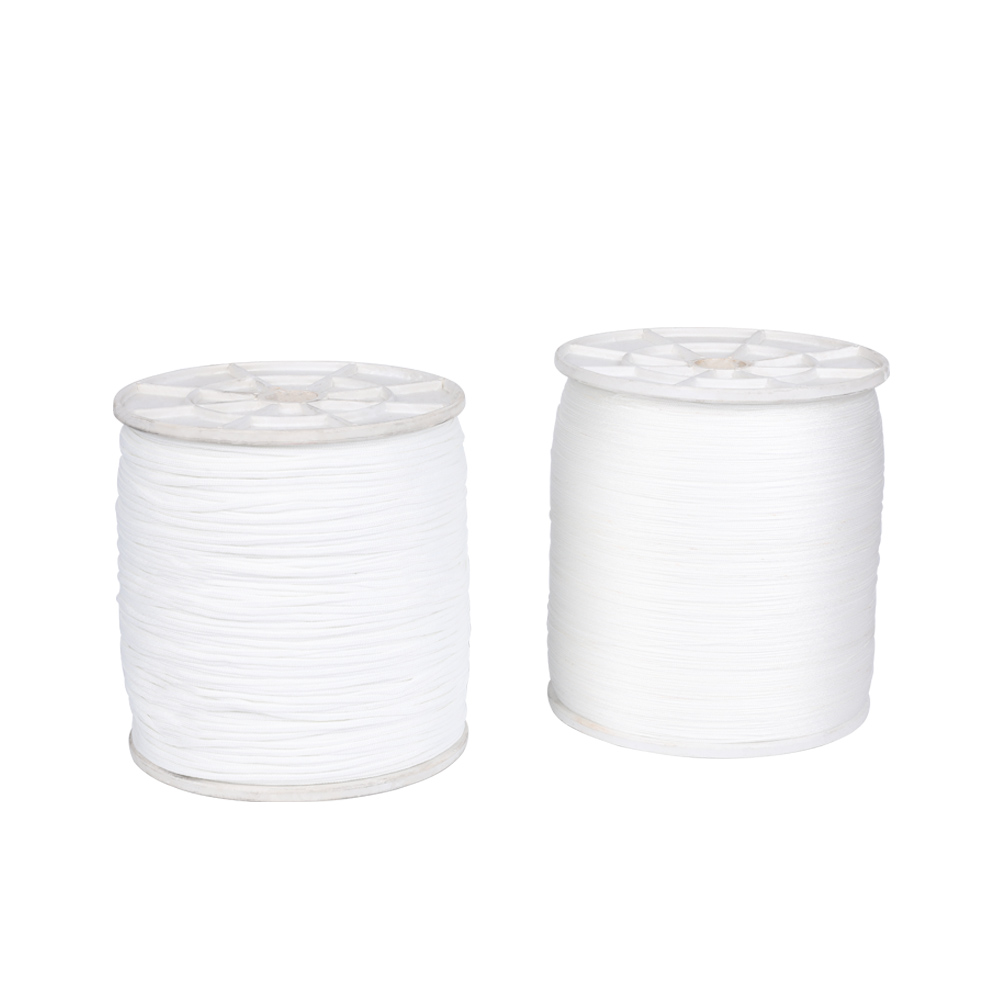
New Energy Vehicle Motor Binding Wire is a specialized insulating wire used to secure and reinforce the winding coils inside electric vehicle motors. In EV motors, copper windings are carefully arranged around the stator core to generate electromagnetic force. However, during high-speed operation, vibration, heat, and electromagnetic forces can cause these windings to loosen or shift. Motor binding wire is used to tightly bind the coils in place, ensuring structural stability and electrical safety.
Unlike ordinary tying materials, EV motor binding wire must withstand high temperatures, strong mechanical stress, and long-term electrical environments. Most binding wires used in new energy vehicle motors are made from high-performance materials such as polyester fiber, aramid fiber, or fiberglass. These materials offer excellent insulation properties and durability, which are essential for modern electric drive systems.
Why Binding Wire Is Important in New Energy Vehicle Motors
Electric vehicle motors operate under demanding conditions. High rotational speeds, rapid acceleration, and continuous heat generation create significant stress inside the motor structure. Without proper binding and reinforcement, motor windings may shift, vibrate, or even become damaged over time.
New energy vehicle motor binding wire helps maintain the integrity of the stator winding assembly. By tightly securing the coil ends and winding groups, the binding wire improves motor reliability and extends service life. It also supports the insulation system by preventing friction between components.
Key Functions of Motor Binding Wire
- Fixes and stabilizes stator windings during motor operation.
- Reduces vibration and mechanical movement of coil ends.
- Enhances insulation safety between winding components.
- Improves durability of the motor under high-speed rotation.
- Supports resin impregnation during the motor manufacturing process.
Common Materials Used for EV Motor Binding Wire
Different types of binding wire materials are used depending on motor design, insulation class, and operating temperature. Advanced new energy vehicle motors often require materials that can handle temperatures above 180°C while maintaining mechanical strength.
| Material | Main Characteristics | Typical Applications |
| Polyester Fiber | Good flexibility and insulation performance | Standard EV motor winding reinforcement |
| Aramid Fiber | High strength and excellent heat resistance | High-performance traction motors |
| Fiberglass | Superior thermal stability and durability | High-temperature industrial motors |
Manufacturing Requirements for New Energy Vehicle Motor Binding Wire
The production of high-quality motor binding wire requires strict control over raw materials, twisting strength, and insulation performance. Since the wire will operate inside a high-voltage motor environment, consistency and reliability are critical factors.
Manufacturers usually design binding wire with precise tensile strength and uniform thickness to ensure stable binding during motor assembly. In addition, the wire must be compatible with insulation varnish and vacuum pressure impregnation processes used in EV motor production.
Key Performance Requirements
- High tensile strength to maintain tight winding structure.
- Excellent thermal resistance for high-temperature environments.
- Strong compatibility with insulating resins and varnishes.
- Stable insulation properties to prevent electrical leakage.
- Good flexibility for easy winding and tying during assembly.
Typical Applications in Electric Vehicle Motor Manufacturing
New energy vehicle motor binding wire is widely used in various stages of electric motor manufacturing. From stator winding assembly to final reinforcement before impregnation, the binding wire plays a crucial role in maintaining structural integrity.
- Stator end-winding binding in traction motors.
- Coil reinforcement before varnish impregnation.
- Binding of high-speed permanent magnet motor windings.
- Electric drive systems used in passenger EVs and commercial vehicles.
- Hybrid vehicle motor assemblies requiring high insulation stability.
How to Choose the Right New Energy Vehicle Motor Binding Wire
Choosing the right binding wire for EV motors requires understanding the motor's operating conditions and insulation requirements. Engineers usually evaluate temperature class, tensile strength, compatibility with insulation varnish, and flexibility during installation.
For high-performance electric vehicle motors, aramid or high-strength polyester binding wires are often preferred due to their superior mechanical properties. Additionally, selecting binding wire with stable diameter tolerance and consistent fiber quality helps improve winding stability and motor reliability.
As the electric vehicle industry continues to grow, the demand for reliable and high-performance motor insulation materials—including new energy vehicle motor binding wire—will continue to increase. High-quality binding wire plays a small but critical role in ensuring that EV motors operate safely, efficiently, and reliably over long service cycles.