English
 中文简体
中文简体

Content
The Critical Role of Binding Wire in Appliance Motor Stability
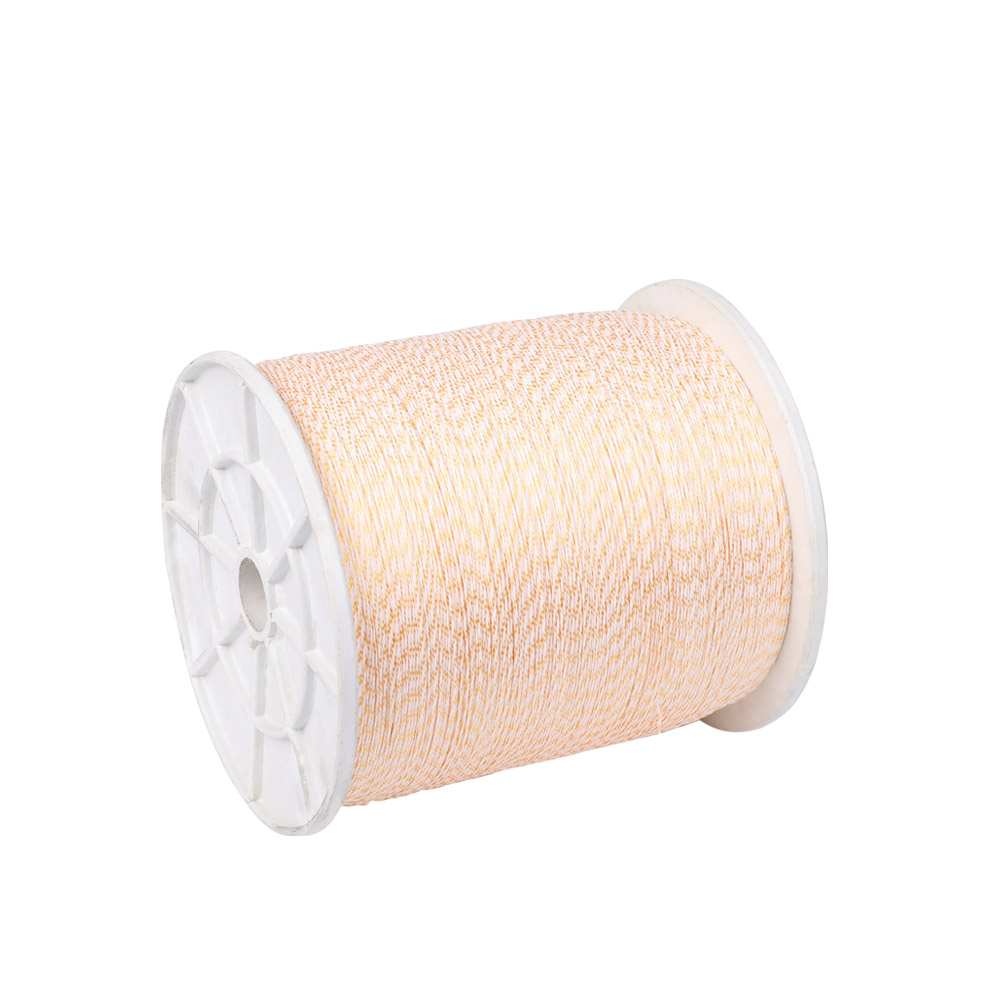
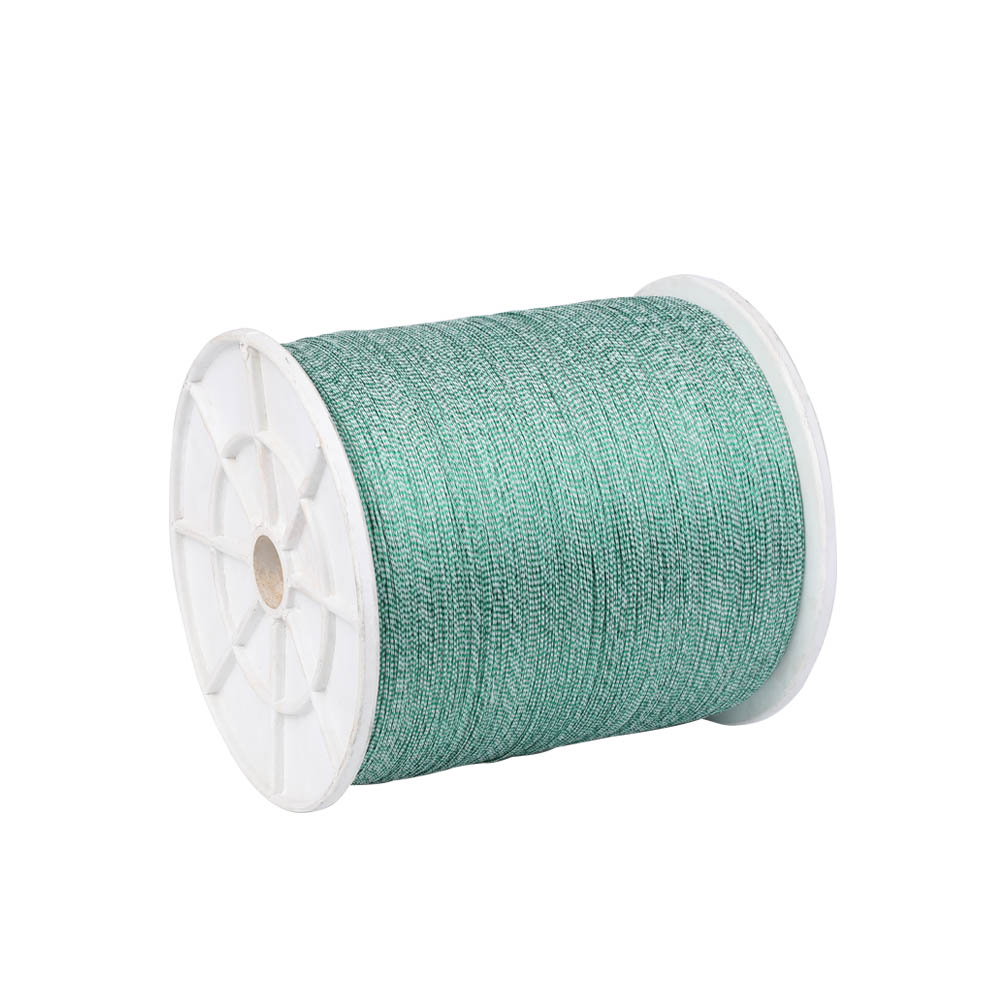
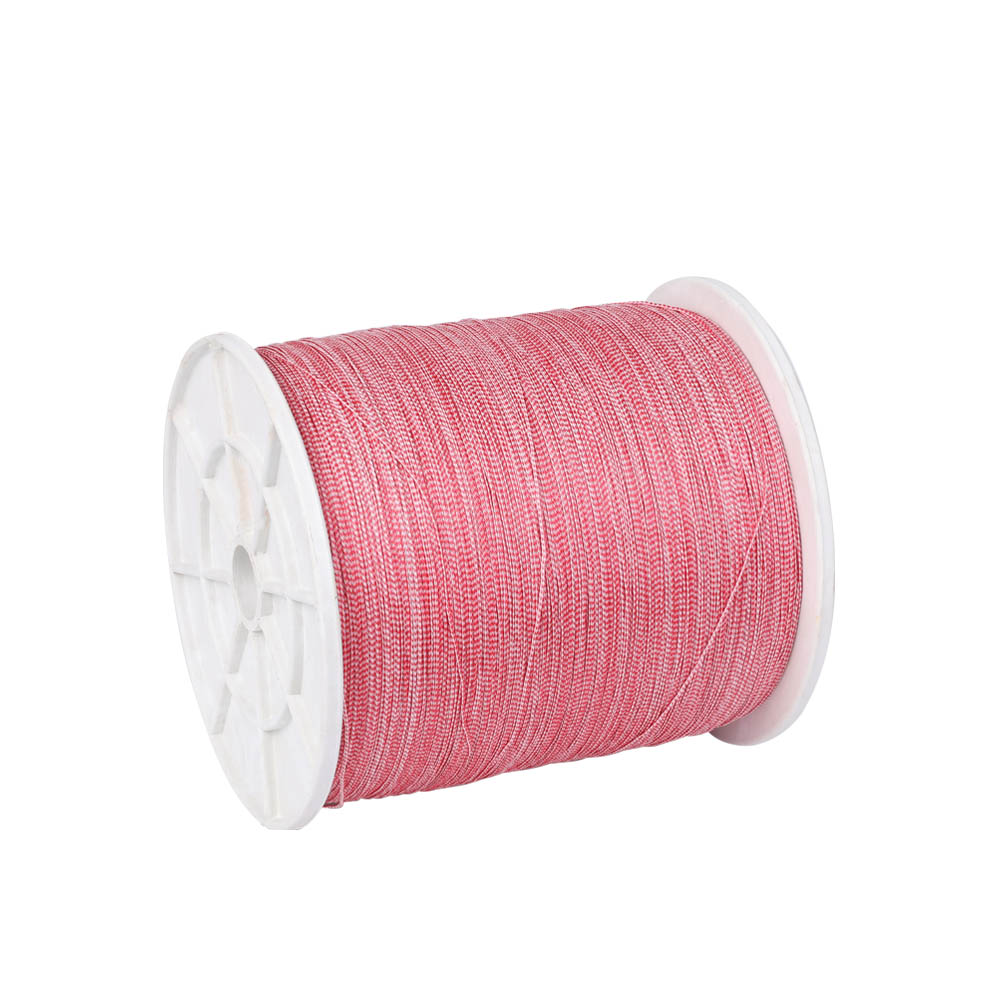
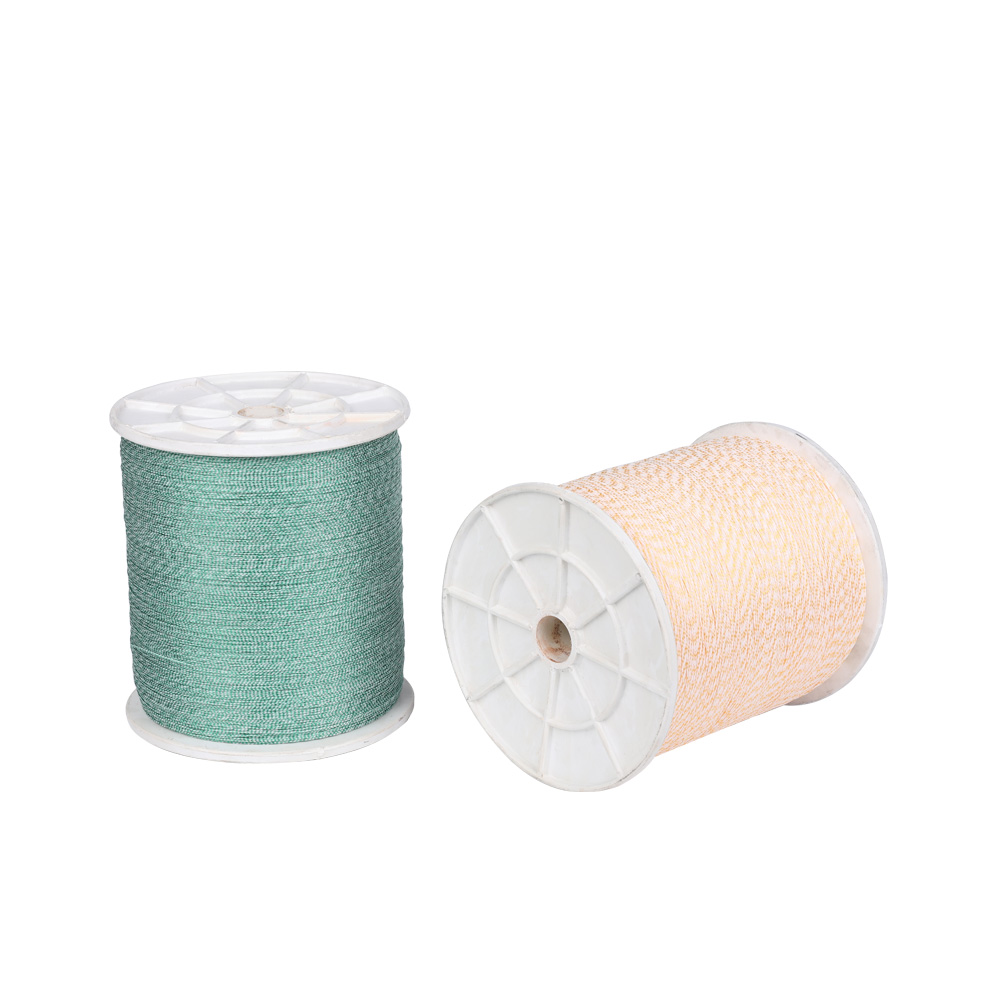
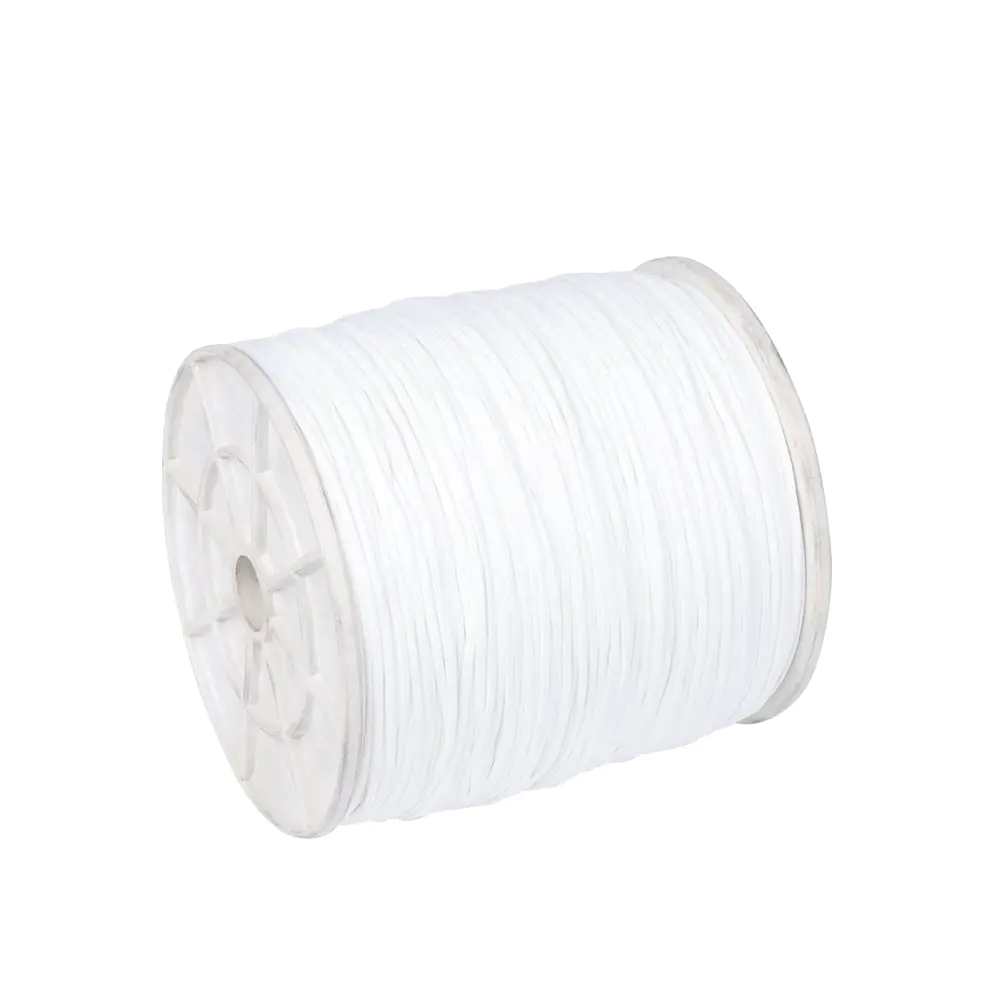
In the assembly of home appliance motors, the binding wire—often referred to as lacing cord or stator tying wire—serves as the mechanical backbone of the coil windings. Its primary function is to secure the copper or aluminum windings tightly against the stator core. This prevents "winding migration," a phenomenon where magnetic forces during operation cause wires to shift or vibrate. Without high-quality binding wire, the constant physical stress and electromagnetic flux would eventually lead to insulation abrasion, resulting in short circuits and premature motor failure.
Modern home appliance motor binding wire are engineered to withstand the harsh internal environments of appliances like washing machines, vacuum cleaners, and air conditioners. They must maintain high tensile strength while remaining flexible enough to be knotted by high-speed automated lacing machines. By ensuring the coils remain a compact, rigid mass, the binding wire also aids in better heat dissipation, as air can flow more predictably around a well-organized stator assembly.
Material Composition and Thermal Resistance Standards
Selecting the right material for binding wire is not merely a matter of strength; it is a matter of thermal compatibility. Most home appliance motors operate at elevated temperatures, requiring binding materials that fall within specific insulation classes. Common materials include polyester (PET) filaments, Nomex, or glass fiber, often coated with specialized resins to enhance grip and chemical resistance.
Common Binding Wire Materials
| Material Type | Thermal Class | Key Advantage |
| Polyester (Shrinkable) | Class B (130°C) | Tightens when heated for a secure fit |
| Aramid (Nomex) | Class H (180°C) | Superior chemical and heat resistance |
| Resin-Coated Glass | Class C (200°C+) | Zero stretch and extremely high tensile strength |
Technical Benefits of High-Tension Motor Binding
The application of binding wire is a precise process that directly impacts the acoustic and mechanical performance of the appliance. When a motor is properly bound, it exhibits significantly lower "coil hum" or magnetic noise. This is particularly vital in premium kitchen appliances where quiet operation is a key selling point. Furthermore, the binding process ensures that the end-turns of the windings stay within the dimensional limits of the motor housing, preventing interference with the rotor or the exterior casing.
- Vibration Dampening: Secures individual wire strands to eliminate friction-induced wear.
- Varnish Penetration: Creates a structured coil that allows insulating varnish to saturate the windings more evenly.
- Structural Integrity: Protects the motor during the stresses of start-up torque and sudden rotational speed changes.
- Moisture Resistance: Modern synthetic wires do not absorb humidity, protecting the motor from internal corrosion.
Application Techniques in Modern Manufacturing
In large-scale home appliance manufacturing, manual binding has been largely replaced by CNC lacing machines. These machines apply a consistent tension that is impossible to achieve by hand, ensuring every motor on the line meets the same quality standard. The choice of binding pattern—whether it be a continuous diamond lace or individual knotting—depends on the motor's intended duty cycle. For high-RPM motors, such as those in blenders, a double-stitch pattern is often employed to provide extra security against centrifugal forces.
Quality control for binding wire involves testing the "shrinkage rate" and "breaking strength." If a wire shrinks too much during the motor's curing process, it could crush the wire insulation; if it doesn't shrink enough, the windings remain loose. Therefore, engineers must calibrate the binding wire specifications to the specific varnish curing temperatures used in the factory to achieve the perfect balance of tension and protection.