English
 中文简体
中文简体

Content
Understanding Polyester Aramid Binding Wire
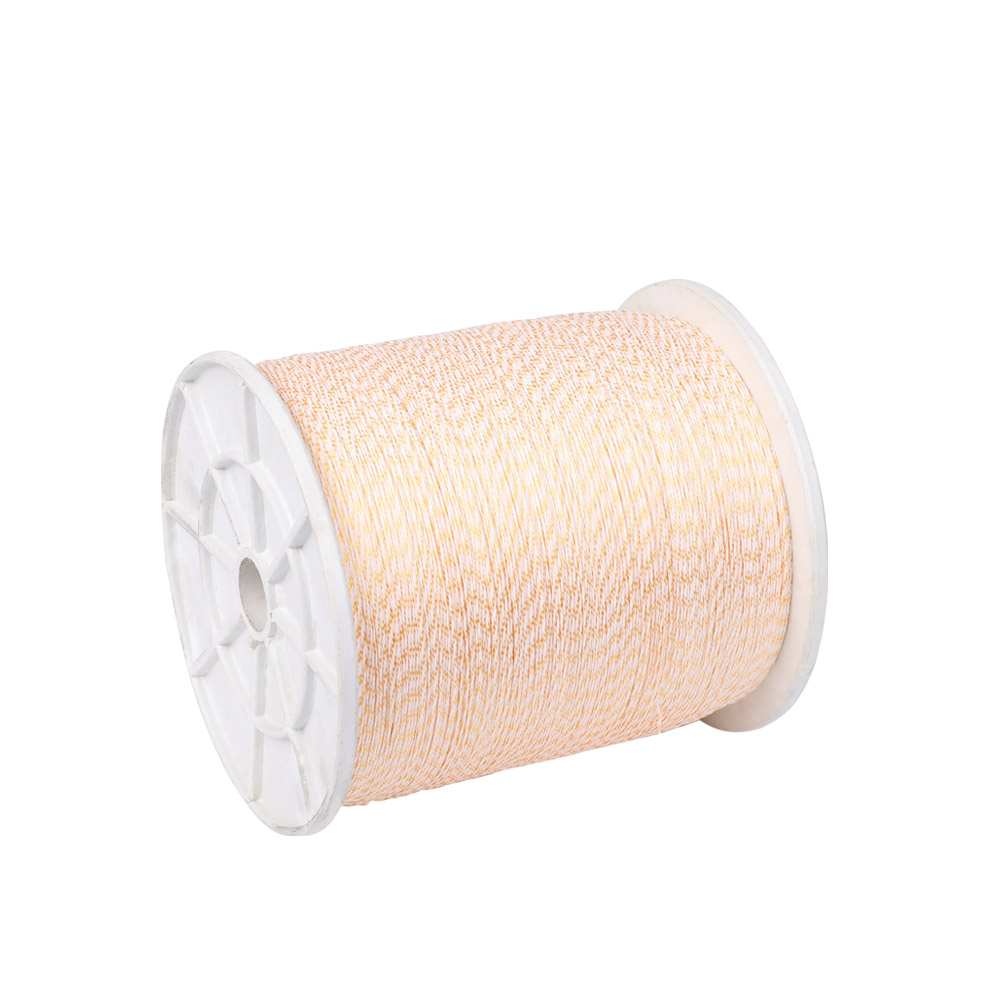
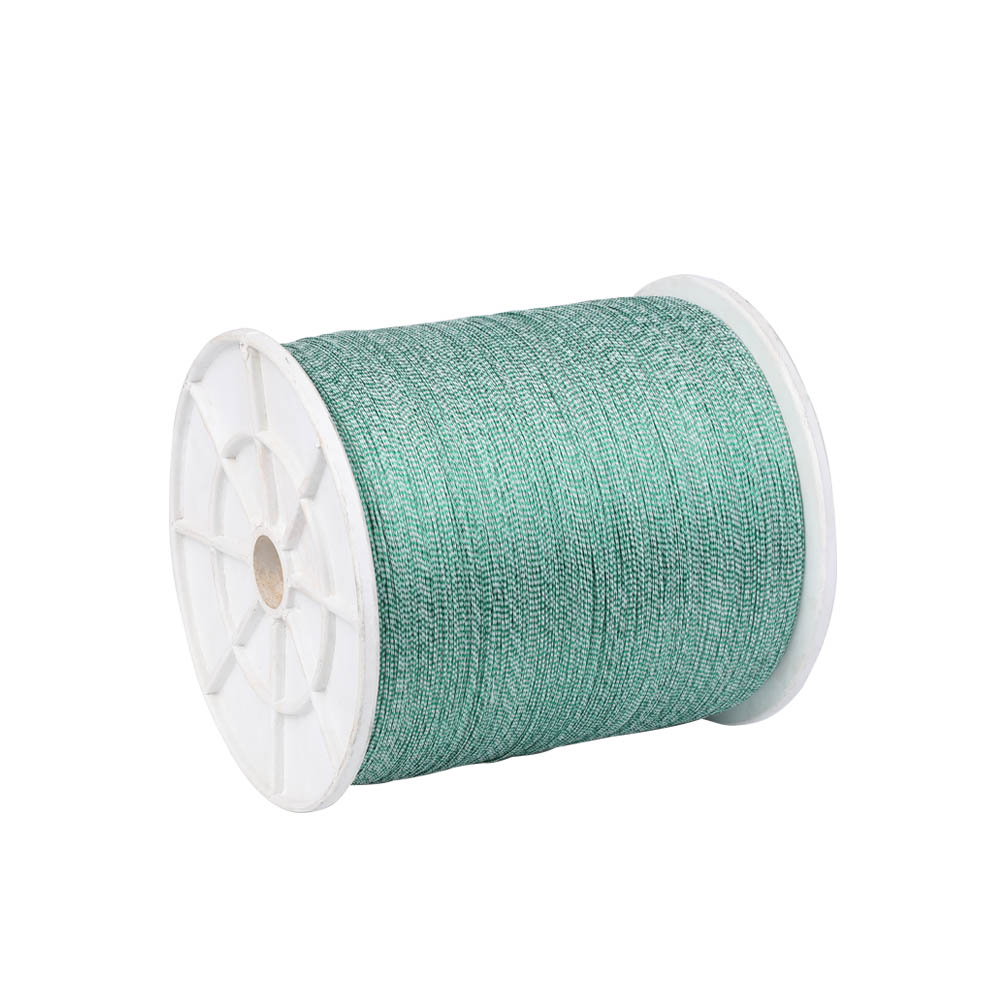
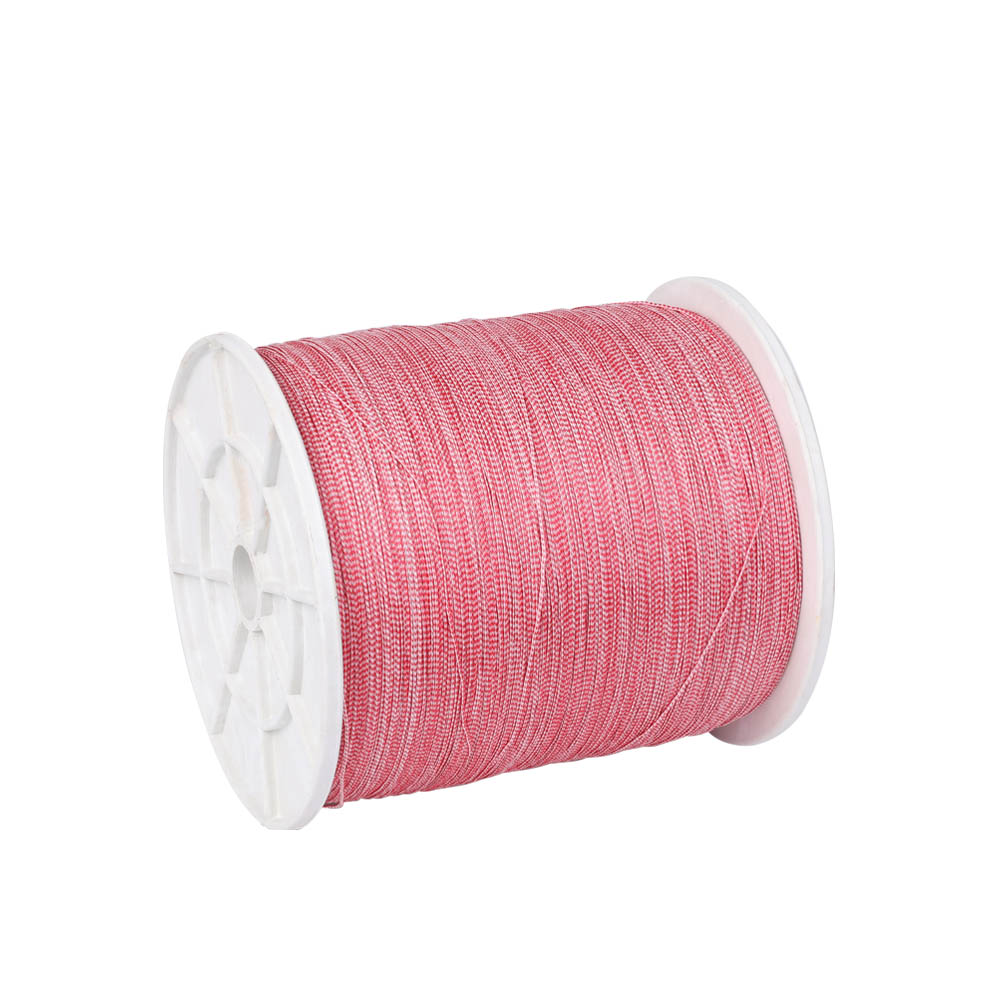
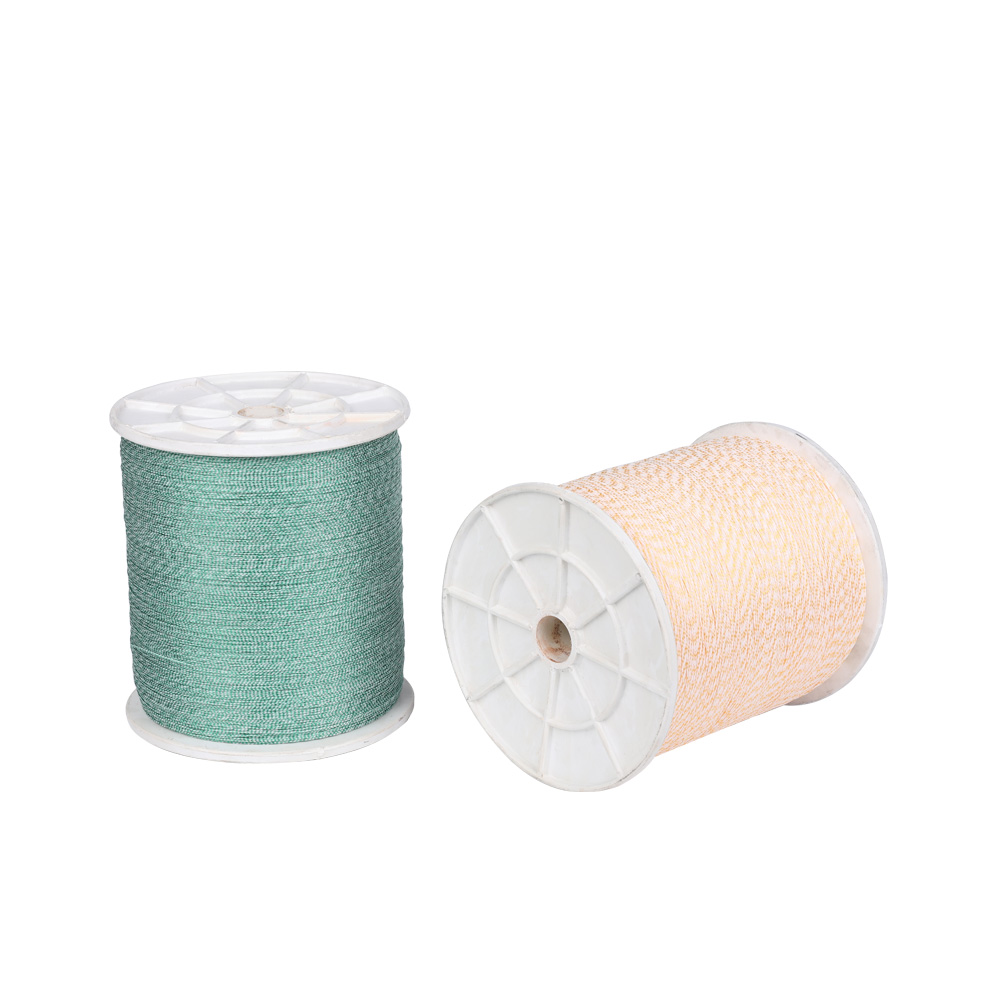
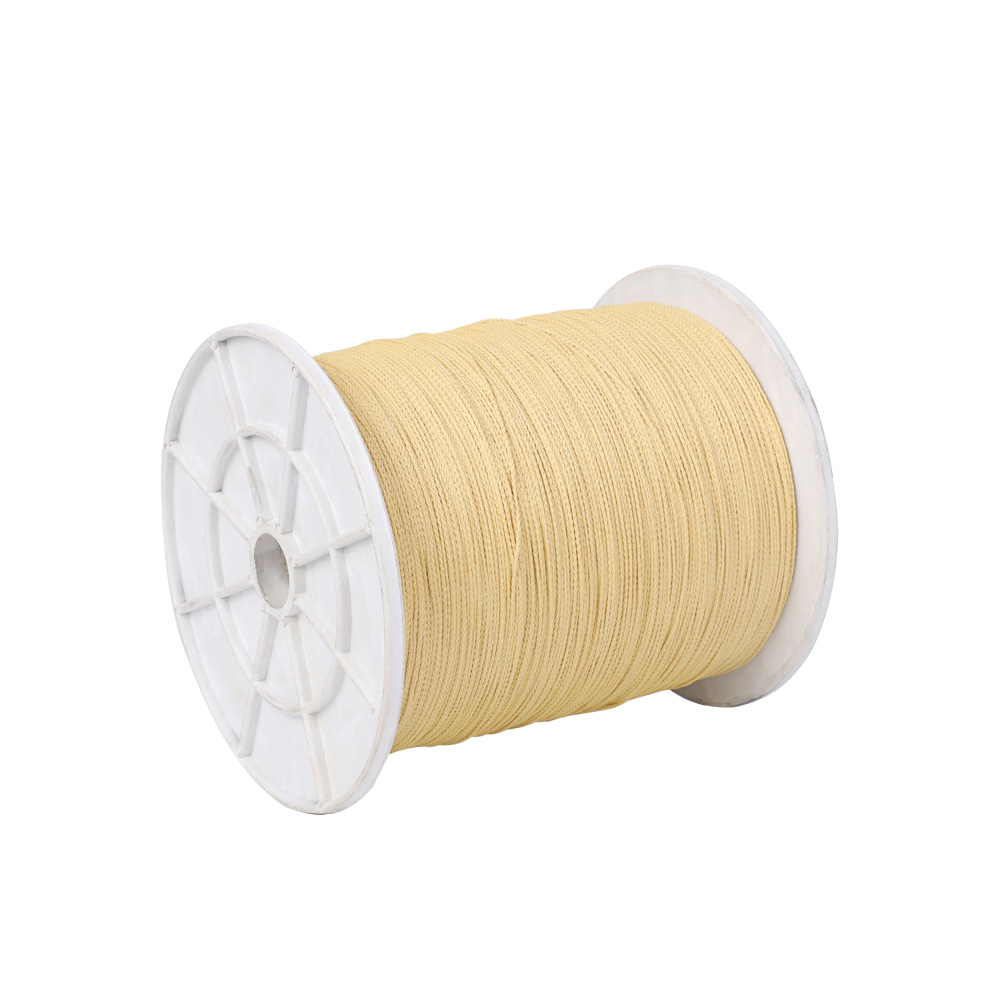
Polyester Aramid Binding Wire is a high-performance composite material widely used in electrical and mechanical applications for insulation, binding, and reinforcement. By combining the durability of polyester with the thermal and chemical resistance of aramid fibers, this binding wire offers unmatched reliability in demanding environments. It is particularly essential in transformers, motors, generators, and high-temperature industrial machinery, where maintaining structural integrity and electrical insulation is critical.
Composition and Material Properties
The wire is typically made by wrapping aramid fibers with a polyester resin or film. Aramid, a heat-resistant synthetic fiber, provides tensile strength and thermal stability, while polyester ensures flexibility and binding efficiency. This combination results in a wire that is strong, lightweight, and resistant to high temperatures, chemicals, and electrical stress.
Key Material Properties:
- High tensile strength and durability under mechanical stress.
- Excellent thermal resistance, functioning reliably up to 200°C.
- Superior electrical insulation performance.
- Resistance to chemicals, oils, and moisture.
- Lightweight and flexible for easy installation.
Applications in Electrical Industry
Polyester Aramid Binding Wire is extensively used in the electrical industry to enhance the performance and longevity of electrical devices. Its heat-resistant properties make it ideal for high-temperature environments where standard wires may degrade.
Transformers and Motors
In transformers and motors, the binding wire is used to secure coils and windings. It prevents movement during operation, reducing vibration, mechanical wear, and the risk of short circuits. The high thermal resistance ensures that the insulation remains intact even under heavy load or prolonged operation.
Generators and High-Temperature Equipment
Generators and industrial machines often operate in harsh conditions, including high temperatures and exposure to oils or chemicals. Polyester Aramid Binding Wire provides the necessary mechanical support and insulation to maintain efficiency and prevent failures in these applications.
Performance Advantages
The unique combination of polyester and aramid in the binding wire offers several advantages over conventional binding wires. These benefits make it a preferred choice for high-performance and industrial-grade electrical applications.
- Maintains structural integrity under mechanical vibration and stress.
- Withstands extreme temperatures without melting or losing insulation properties.
- Resists chemical corrosion, extending the service life of electrical equipment.
- Lightweight construction reduces overall machine weight without compromising strength.
- Flexibility simplifies installation, winding, and binding processes.
Selection Guidelines and Specifications
When choosing Polyester Aramid Binding Wire, it is essential to consider the specific operating environment, temperature range, and mechanical requirements. Manufacturers often provide wires in various diameters, tensile strengths, and insulation thicknesses to suit different applications.
Diameter and Tensile Strength
Selecting the correct wire diameter and tensile strength ensures optimal binding performance. Thicker wires offer higher mechanical support but may reduce flexibility, whereas thinner wires provide easier handling but less structural reinforcement.
Temperature Rating
Polyester Aramid Binding Wire typically operates reliably in temperatures up to 200°C. For extreme high-temperature applications, specialized aramid variants may offer enhanced heat resistance while maintaining electrical insulation integrity.
Insulation and Coating Options
Depending on the application, the wire may come with additional polyester or epoxy coatings to improve electrical insulation, chemical resistance, and adhesion to coils or other components.
Maintenance and Best Practices
Proper handling and installation of Polyester Aramid Binding Wire are crucial to maximize performance. It should be stored in a dry environment, away from direct sunlight, oils, and corrosive chemicals. During installation, avoid sharp bends or excessive tension that could damage fibers or coatings.
Installation Tips
- Use tools appropriate for winding and cutting to prevent fiber fraying.
- Ensure consistent tension to avoid coil deformation.
- Inspect wire for surface damage before installation.
Periodic Inspection
Regular inspection of bound coils or equipment is recommended to detect wear, insulation degradation, or chemical damage early. Rebinding may be necessary for components exposed to extreme vibration or environmental stress.
Conclusion
Polyester Aramid Binding Wire is a vital component in modern electrical and industrial applications, providing superior strength, heat resistance, and insulation properties. Its versatility, durability, and reliability make it an essential choice for transformers, motors, generators, and other high-performance machinery. By selecting the right specifications and following proper installation and maintenance practices, engineers can ensure long-term operational efficiency and safety.