English
 中文简体
中文简体

Content
What’s the Buzz About Binding Wire?
Imagine the heart of your home’s water supply—the water pump motor. It’s the tireless machine that ensures water flows from your well, basement, or tank to your faucets and showers. But what keeps this powerful motor together, especially under constant heat, vibration, and—you guessed it—water exposure? The answer lies in a seemingly simple component: the binding wire.
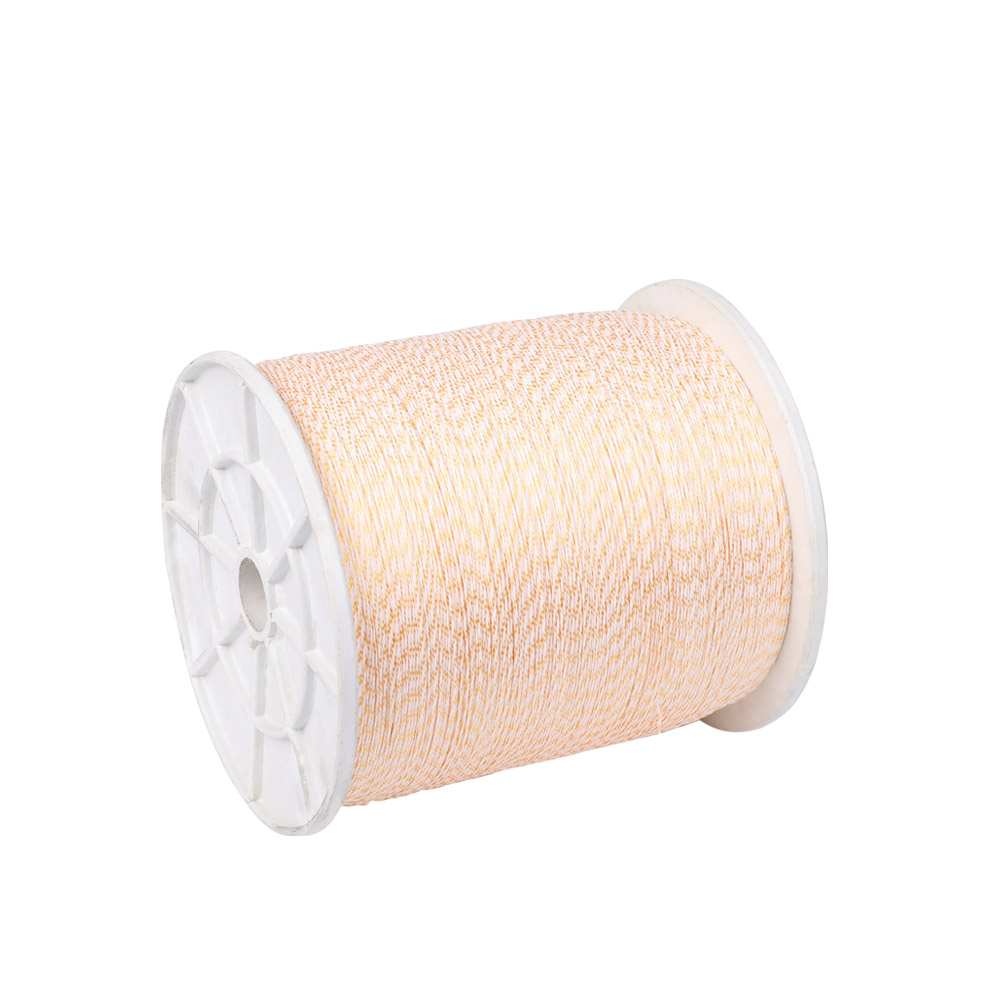
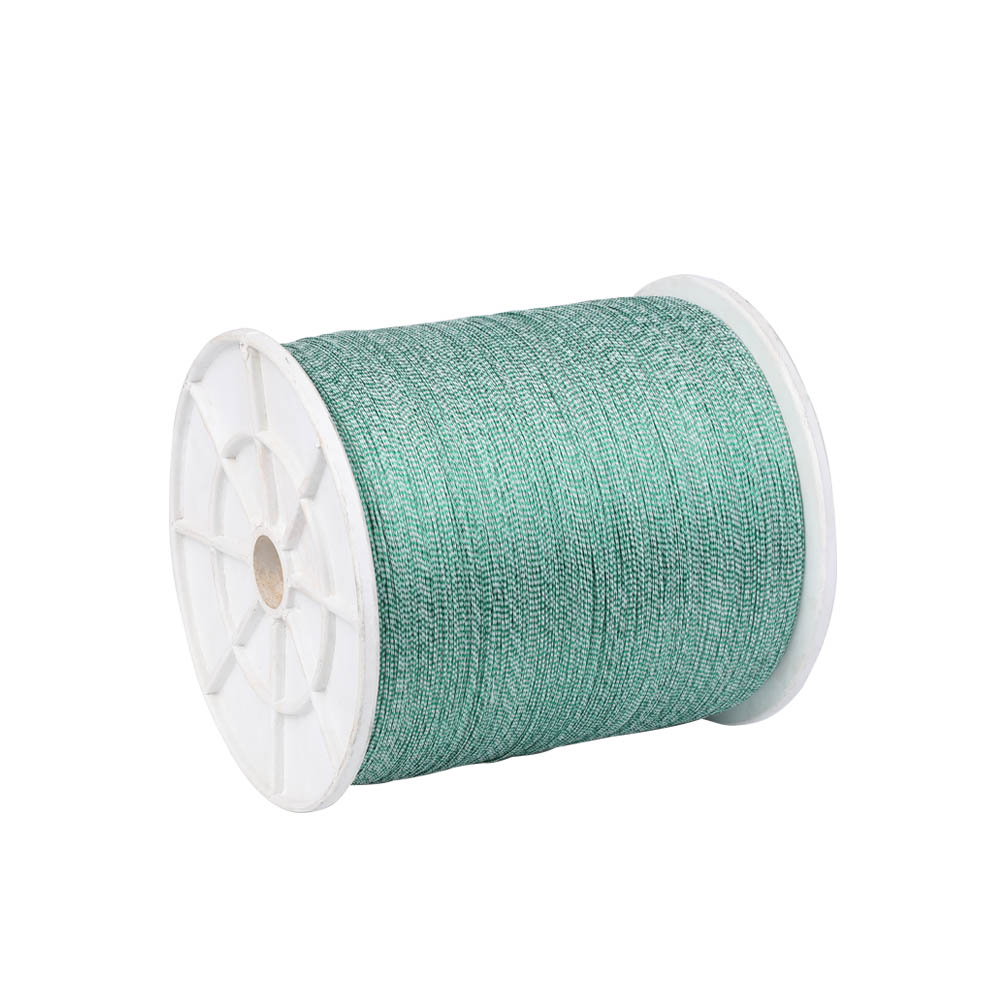
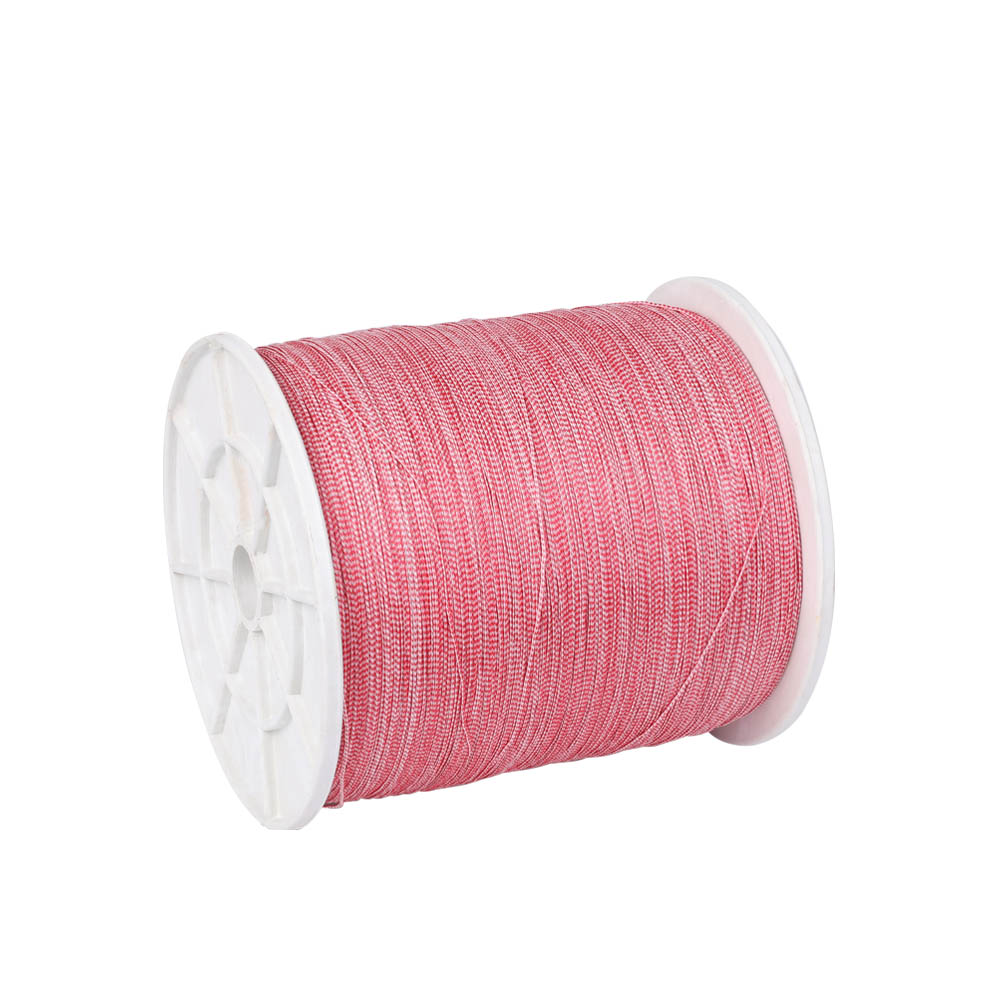
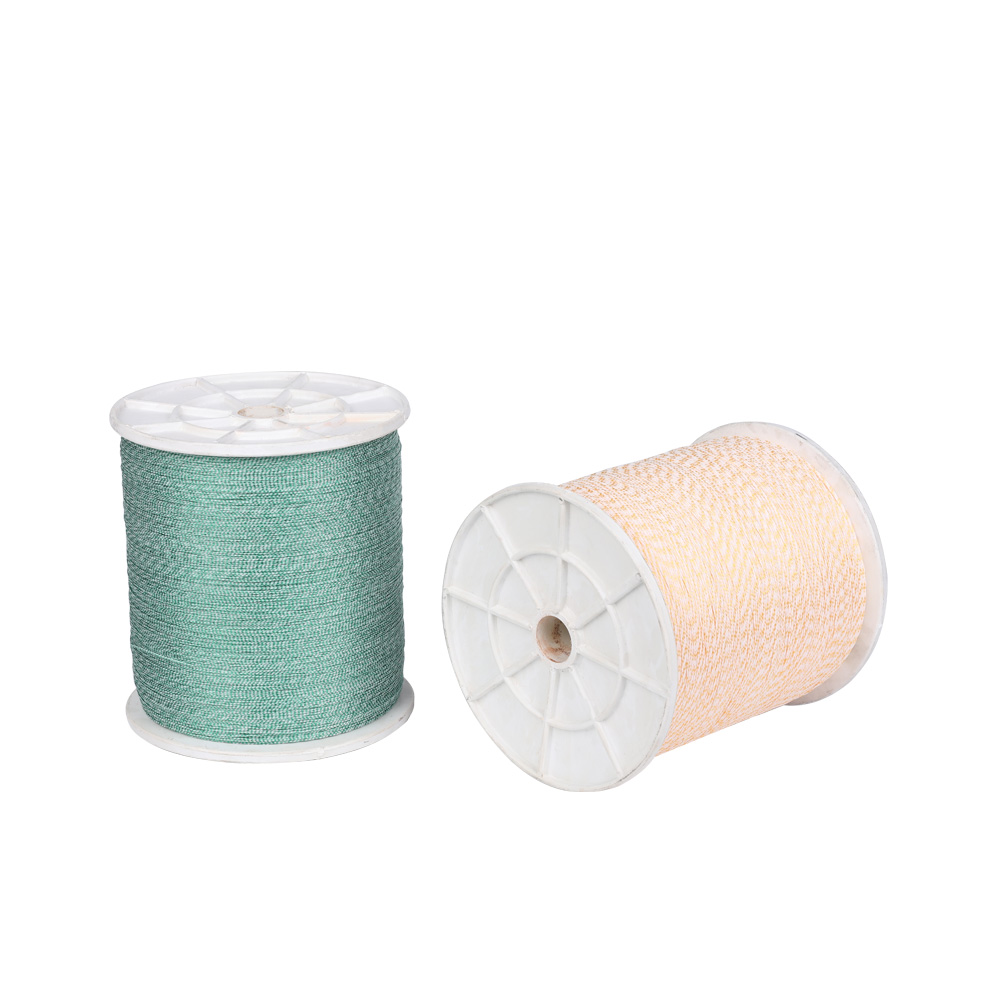
The binding wire, often made of stainless steel, or a specialized type of high-strength nylon or fiberglass, is an absolutely critical, yet often overlooked, part of an electric motor’s anatomy.
A Tight Hug for the Coils
In any electric motor, there are stationary parts (the stator) and rotating parts (the rotor). The stator houses coils of copper wire, known as the windings. When electricity flows through these windings, it creates the magnetic fields that make the motor turn.
During operation, these copper coils are subjected to intense forces:
- Electromagnetic Forces: As the motor runs, strong, rapidly changing magnetic forces act upon the coil ends.
- Centrifugal Forces: For the rotating part, or rotor, if it also has windings, the spinning action tries to fling them outwards.
- Vibration and Heat: The constant movement and high temperatures expand and contract the components.
The Water Pump Motor Binding Wire’s job is to secure these windings tightly into their slots and keep the end-turns—the parts of the coil that loop outside the slots—from vibrating, rubbing against other parts, or coming loose. If the windings come undone, they can quickly short-circuit the motor, leading to failure.
The Importance of Material Science
Choosing the right material for the binding wire is crucial, especially for submersible water pump motors, which operate under the most challenging conditions.
Stainless Steel: The Workhorse
For many applications, particularly for submersible pumps, stainless steel (often grade 304 or 316) is the material of choice.
- Corrosion Resistance: Submersible pumps are constantly exposed to water, which can be corrosive. Stainless steel resists rust and degradation, ensuring the wire remains strong for years.
- High Tensile Strength: It must be incredibly strong to withstand the constant forces and tension without snapping.
- Heat Tolerance: It maintains its strength even at the high operating temperatures of the motor.
Non-Metallic Alternatives: The Modern Solution
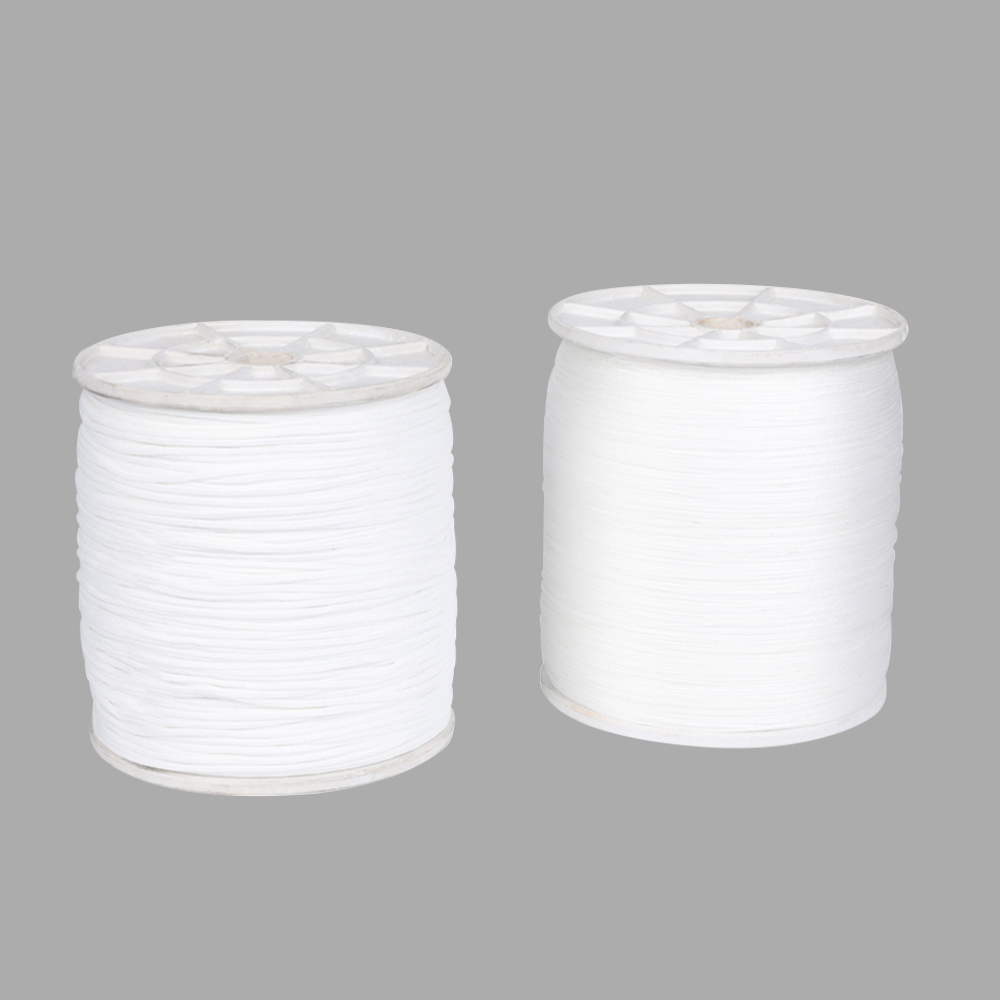
In some motor designs, particularly those with higher insulation requirements, non-metallic binding tapes or wires are used. These are typically made from glass fiber (fiberglass) coated with a high-strength resin.
- Non-Conductive: They do not conduct electricity, which adds an extra layer of insulation and eliminates the possibility of the binding wire itself causing a short-circuit.
- High Strength-to-Weight Ratio: These materials are incredibly light yet offer comparable tensile strength to steel.
When the Binding Fails: Motor Trouble
When a water pump motor fails, the binding wire is often either the casualty or, in some cases, the cause.
The Domino Effect of Looseness
If the binding wire loosens or breaks due to fatigue or material failure, a chain reaction of motor destruction begins:
- Winding Movement: The unsecured windings begin to vibrate and move excessively.
- Insulation Breakdown: This movement causes the thin insulating enamel on the copper wires to rub away (a process called chafing).
- Short Circuit: Once the copper wires are bare, they touch each other or the motor’s metal frame (ground), creating a short circuit.
- Catastrophic Failure: The short circuit leads to a sudden surge of current, extreme heat, and often a visible burn-out of the windings, effectively destroying the motor.
Repair and Rewinding
When a motor “burns out,” the process of fixing it is called rewinding. During this intricate process, the old, burnt windings are stripped out, and new copper coils are inserted. A vital final step in the rewinding process is applying new, high-quality binding wire to secure the freshly installed coils. This ensures the refurbished motor is robust and ready for many more years of service.
The next time you turn on your tap and water flows, spare a thought for the small, strong binding wire—the silent, unseen component that holds the whole system together!