English
 中文简体
中文简体

Content
Electrifying the Drive: How NEVs are Different
New Energy Vehicles (NEVs), which primarily include Battery Electric Vehicles (BEVs) and Plug-in Hybrid Electric Vehicles (PHEVs), represent a pivotal shift in personal transportation. Unlike traditional cars that rely on a noisy, complex internal combustion engine (ICE) and transmission, NEVs are powered by an electric drive system. This system’s core is the traction motor, which efficiently converts electrical energy from the battery into mechanical energy to turn the wheels.
Inside the Electric Heart: The Motor’s Design
The electric motor in an NEV is a marvel of engineering. To achieve the high torque, power density, and efficiency required for vehicle use, it is typically an AC Permanent Magnet Synchronous Motor (PMSM) or an Induction Motor.
The Stator and Rotor
The motor consists of two main parts: the stator (the stationary part) and the rotor (the rotating part). The stator contains meticulously wound copper coils, or windings. When current flows through these windings, it creates a magnetic field that interacts with the magnets in the rotor, causing the rotor—and ultimately the wheels—to spin.
The Challenge of High-Speed Rotation
NEV motors operate at extremely high speeds, often exceeding 15,000 revolutions per minute (RPM). This high-speed rotation generates immense centrifugal force on the copper windings within the rotor or stator. If these windings were not properly secured, the centrifugal force would cause them to splay outward, potentially leading to contact, short circuits, and catastrophic motor failure.

The Unsung Hero: New Energy Vehicle Motor Binding Wire
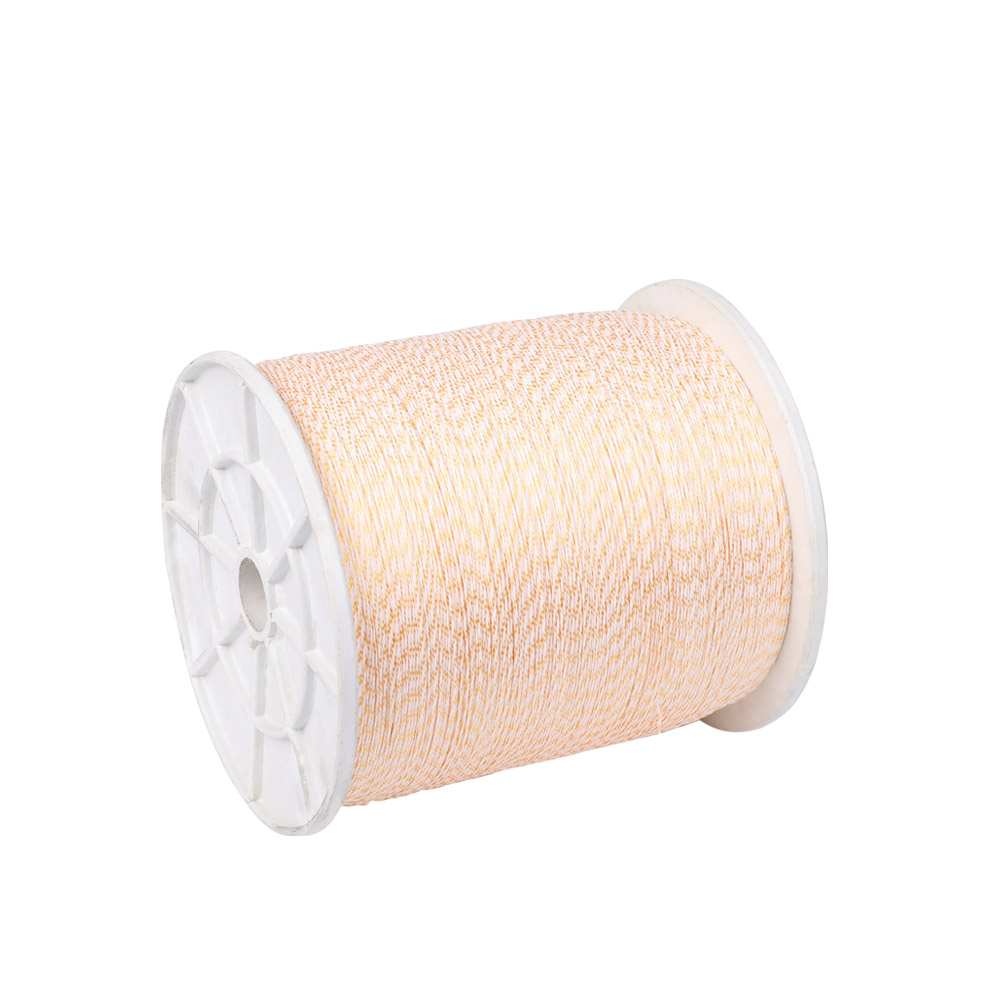
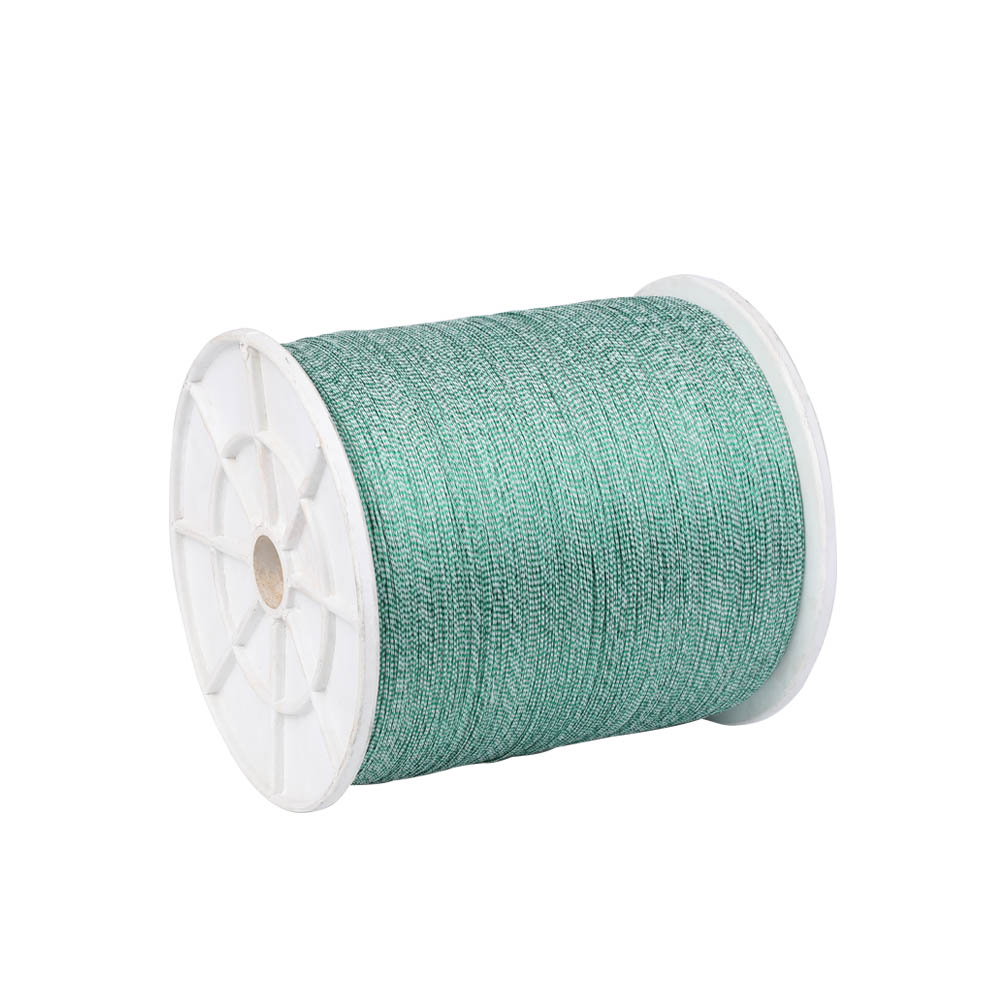
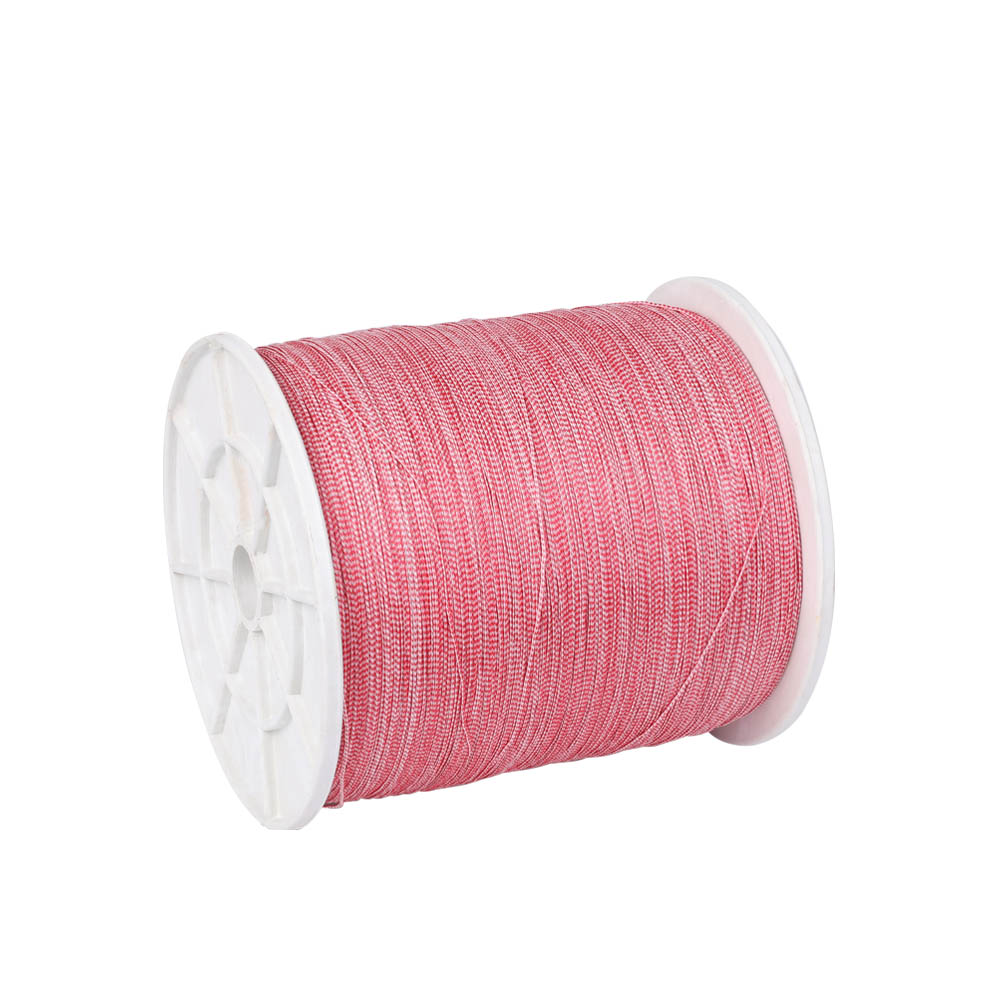
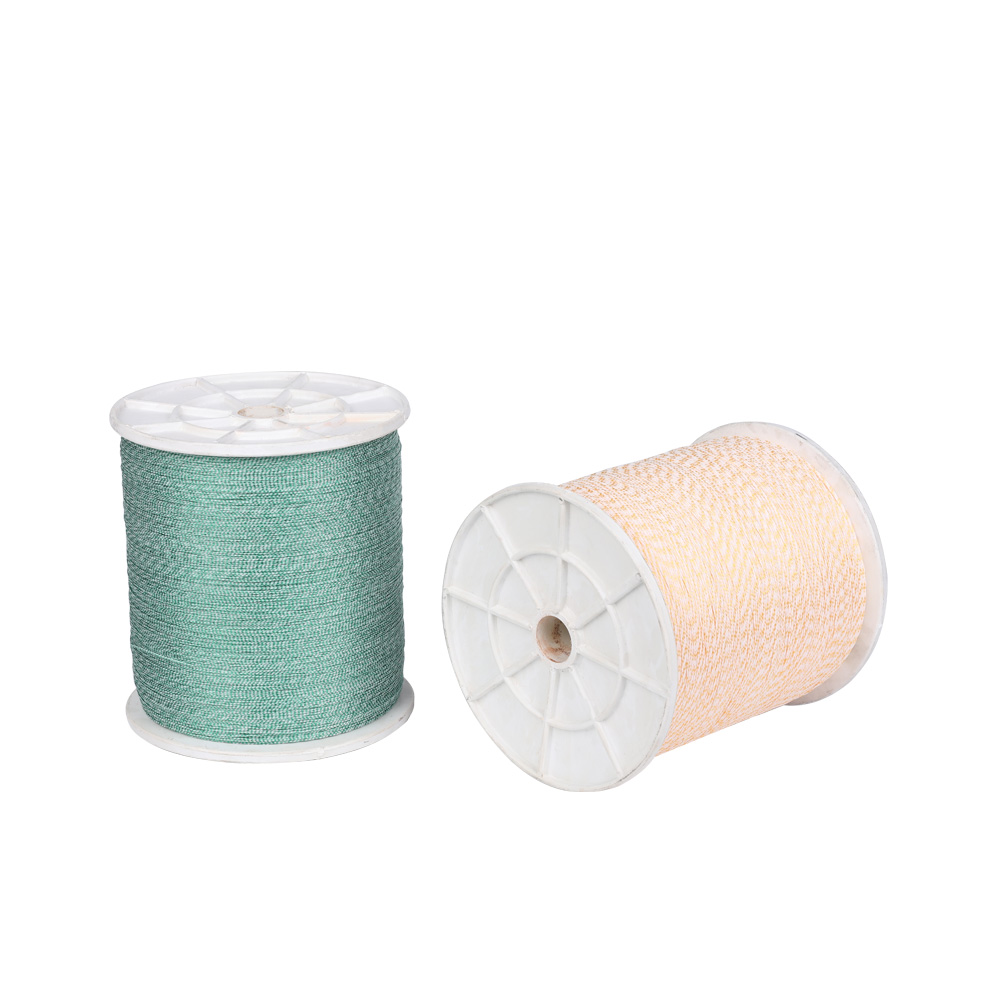
This is where the New Energy Vehicle Motor Binding Wire plays its crucial, yet often overlooked, role. The binding wire is a high-strength, non-conductive material—typically a type of aramid fiber or glass fiber—that is meticulously wrapped around the end-turns of the motor’s windings.
What Does the Binding Wire Do?
- Mechanical Stabilization: Its primary function is to provide mechanical reinforcement and structural integrity to the windings. It acts like a strong, non-metallic “cable tie” that holds the copper wires tightly in place, directly counteracting the powerful centrifugal forces exerted during high-speed operation.
- Vibration Damping: The binding wire also helps to suppress the vibrations and chatter that naturally occur as the motor operates. This damping action reduces mechanical wear and tear, prolonging the motor’s lifespan.
- Insulation Protection: By keeping the windings rigid and preventing movement, it safeguards the enamel insulation coating on the copper wires. If this insulation were scraped off due to movement, a short circuit would occur.
Material Selection: A Critical Choice
The material used for the New Energy Vehicle Motor Binding Wire must meet rigorous specifications:
- High Tensile Strength: It must withstand the intense forces without stretching or breaking.
- Excellent Thermal Resistance: NEV motors run hot, so the wire must maintain its strength and integrity under high operating temperatures, which can reach or more.
- Electrical Insulation: It must not conduct electricity to prevent interference with the motor’s magnetic field and avoid creating new short-circuit paths.
- Lightweight: Adding mass to the rotating assembly must be minimized to maintain the motor’s efficiency and responsiveness.
The specialized nature and performance requirements of the New Energy Vehicle Motor Binding Wire make it a key component in achieving the high reliability and efficiency that consumers expect from their electric vehicles. It’s a small part, but one that is absolutely essential for the safe and long-term operation of the entire electric powertrain.