English
 中文简体
中文简体

Content
Critical Functions of Binding Wire in NEV Traction Motors
In the high-stress environment of a New Energy Vehicle (NEV) traction motor, binding wire (also known as lacing cord or stator tie) serves as the primary mechanical stabilizer for the stator windings. Unlike industrial motors that operate at constant speeds, NEV motors experience rapid acceleration, high-frequency vibrations, and significant centrifugal forces. The binding wire ensures that the end windings—the portion of the copper coils extending past the stator core—remain immobile. This immobility is crucial because any micro-movement of the wires during operation can lead to friction-induced insulation wear, eventually causing phase-to-phase shorts or grounding faults.
Furthermore, binding wire plays a vital role in thermal management. By tightly securing the winding bundle, it eliminates air gaps between individual conductors, which improves the effectiveness of secondary insulation resins or varnishes during the impregnation process. This dense packing enhances the thermal conductivity of the coil head, allowing heat generated by high current densities to dissipate more efficiently through the motor housing or cooling jacket.
Advanced Materials and Thermal Classifications
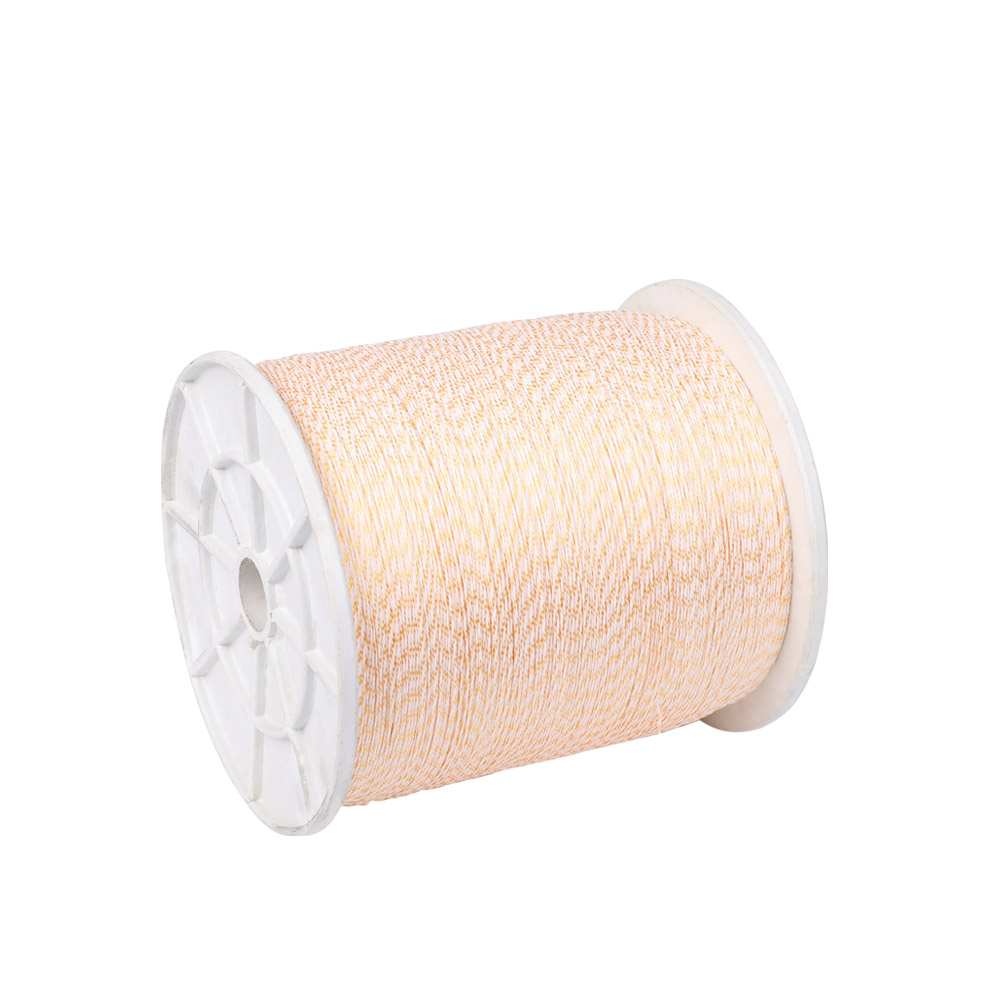
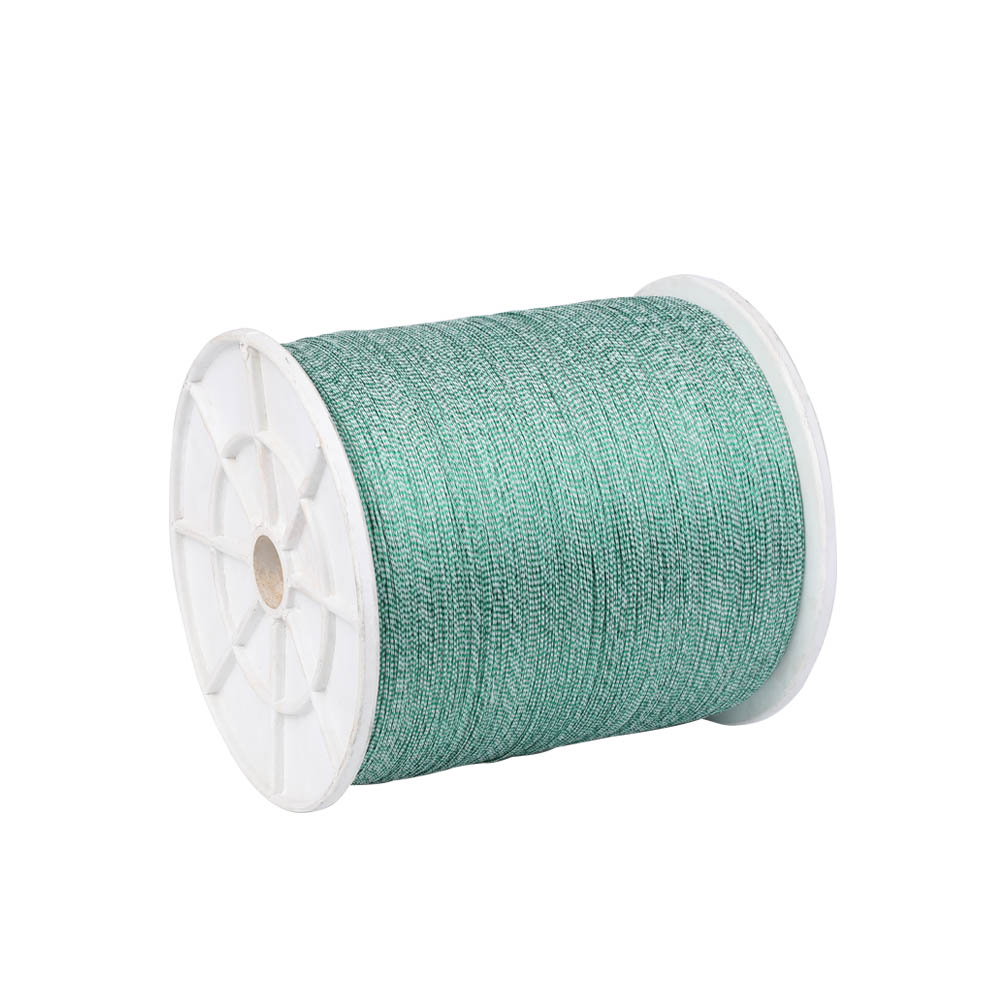
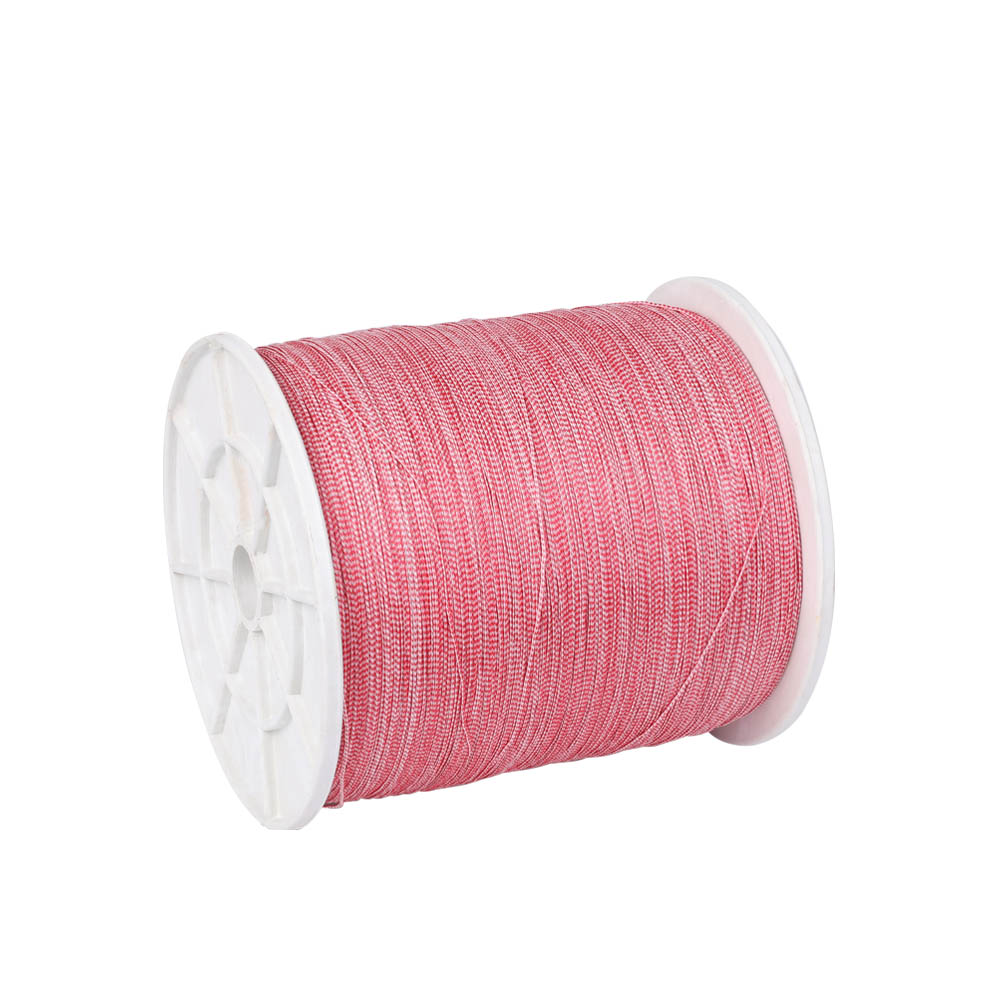
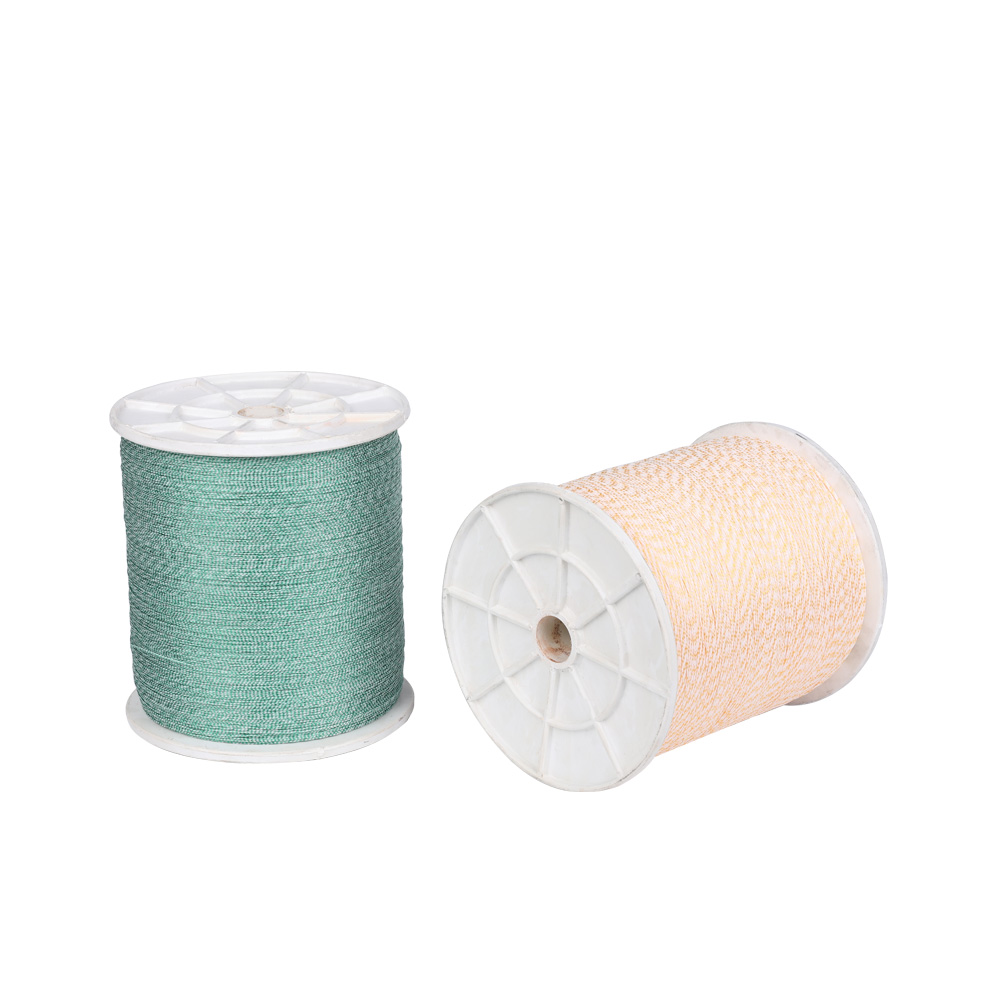
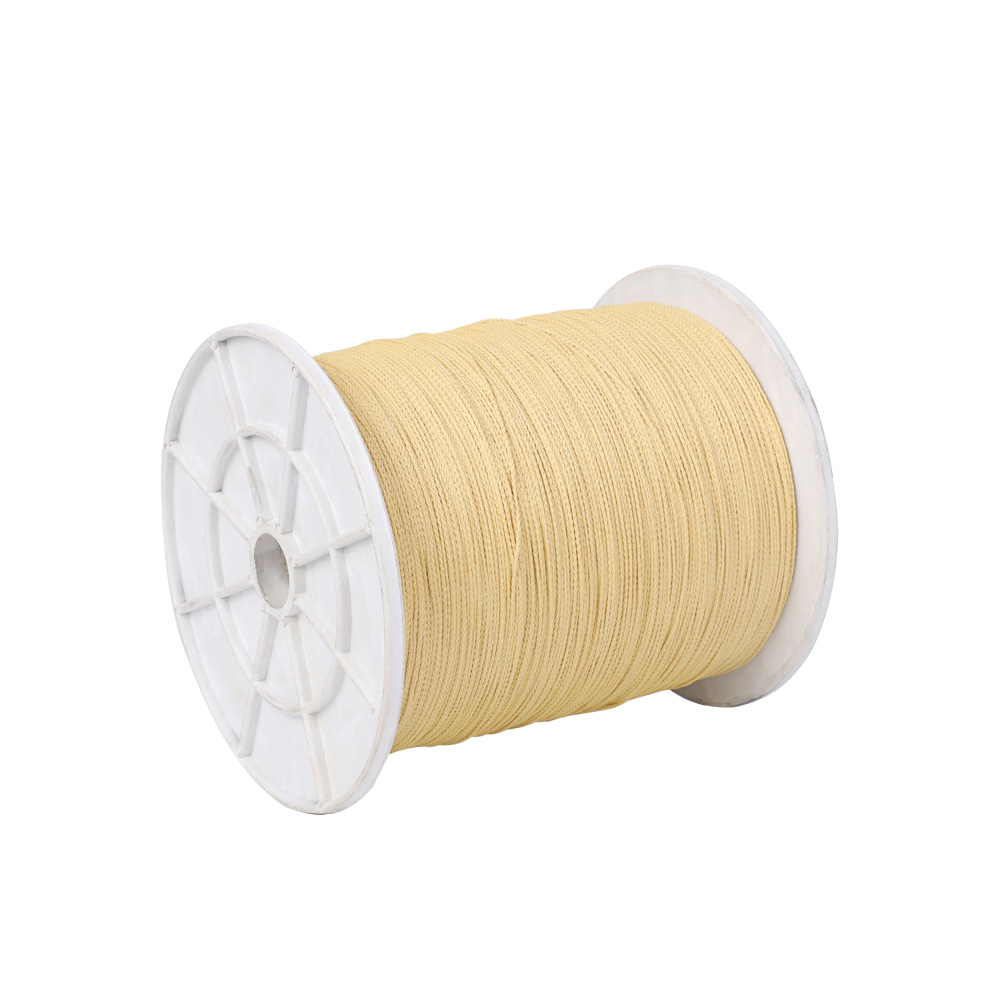
The selection of materials for New Energy Vehicle Motor Binding Wire is governed by the thermal and chemical demands of the vehicle's powertrain. Standard industrial materials often fail in NEVs due to the high operating temperatures, which can reach peaks of 180°C to 200°C (Class H or N insulation). Modern binding wires are typically engineered from high-strength synthetic fibers that provide a balance of tensile strength and thermal stability.
Common Binding Wire Materials
-
Polyester (PET): Often used in Class F (155°C) applications. It is cost-effective and provides good shrinkage properties, which helps tighten the bond during the curing process.
-
Aramid (Nomex/Kevlar): Used for high-performance Class H (180°C) motors. Aramid fibers offer superior heat resistance and do not melt, providing a high safety margin for over-torque conditions.
-
Fiberglass Tapes: Frequently used in large-scale EV motors or bus motors where mechanical rigidity is the priority. It has excellent chemical resistance to motor oils and cooling fluids.
-
Heat-Shrinkable Cords: These specialized cords are designed to shrink by a specific percentage (usually 5–10%) when exposed to heat in the curing oven, automatically increasing the tension on the windings.
Technical Specifications and Comparison Table
When engineers select a binding wire for a new motor platform, they must evaluate the tensile strength, shrinkage rate, and compatibility with impregnation resins. The following table compares the typical properties of binding materials used in the NEV industry.
| Material Type | Thermal Class | Tensile Strength | Chemical Resistance |
| Shrinkable Polyester | Class F (155°C) | Moderate | High |
| Para-Aramid (Kevlar) | Class H+ (200°C+) | Very High | Excellent |
| Braided Meta-Aramid | Class H (180°C) | High | High |
| Glass-Reinforced PET | Class F/H | High | Moderate |
Best Practices for Stator Binding and Lacing
The application of binding wire is a precision process that has evolved from manual lacing to fully automated CNC station lacing. For NEV manufacturers, maintaining consistent tension is the most critical parameter in this process.
Key Implementation Factors
-
Tension Control: Binding wire must be applied with constant tension to ensure the winding head is compressed uniformly. Under-tensioning leads to vibration, while over-tensioning can cut into the primary wire enamel.
-
Knot Security: In automated lacing, the "lock stitch" or specialized knots must be used to ensure that the lacing does not unravel if one section of the wire is damaged.
-
Lead Wire Anchoring: The binding wire is often used to secure the heavy-gauge lead wires (output cables) to the stator body. This prevents the solder joints or terminals from fatigue failure caused by vehicle movement.
-
Resin Compatibility: It is essential to ensure that the finish on the binding wire (such as wax or oil treatments) does not inhibit the bonding of the Trickle or VPI (Vacuum Pressure Impregnation) resin.
Future Trends in EV Motor Stabilization
As the industry shifts toward 800V architectures and higher RPM motors (exceeding 20,000 RPM), the requirements for binding wires are becoming even more stringent. We are seeing a move toward "resin-rich" lacing tapes that carry their own adhesive, as well as carbon fiber-reinforced cords for ultra-high-speed rotors. These innovations aim to reduce the mass of the end windings while providing the extreme stiffness required to prevent deformation under electromagnetic surge loads.