English
 中文简体
中文简体

Content
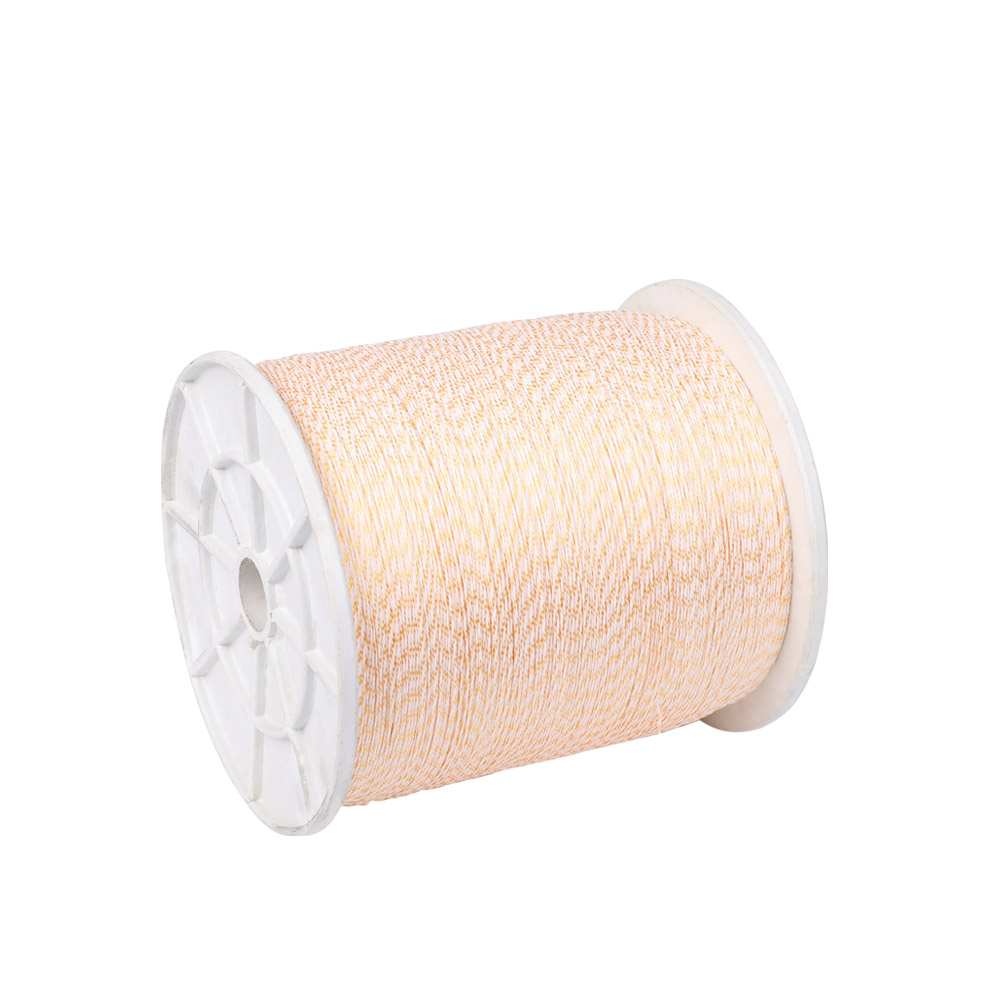
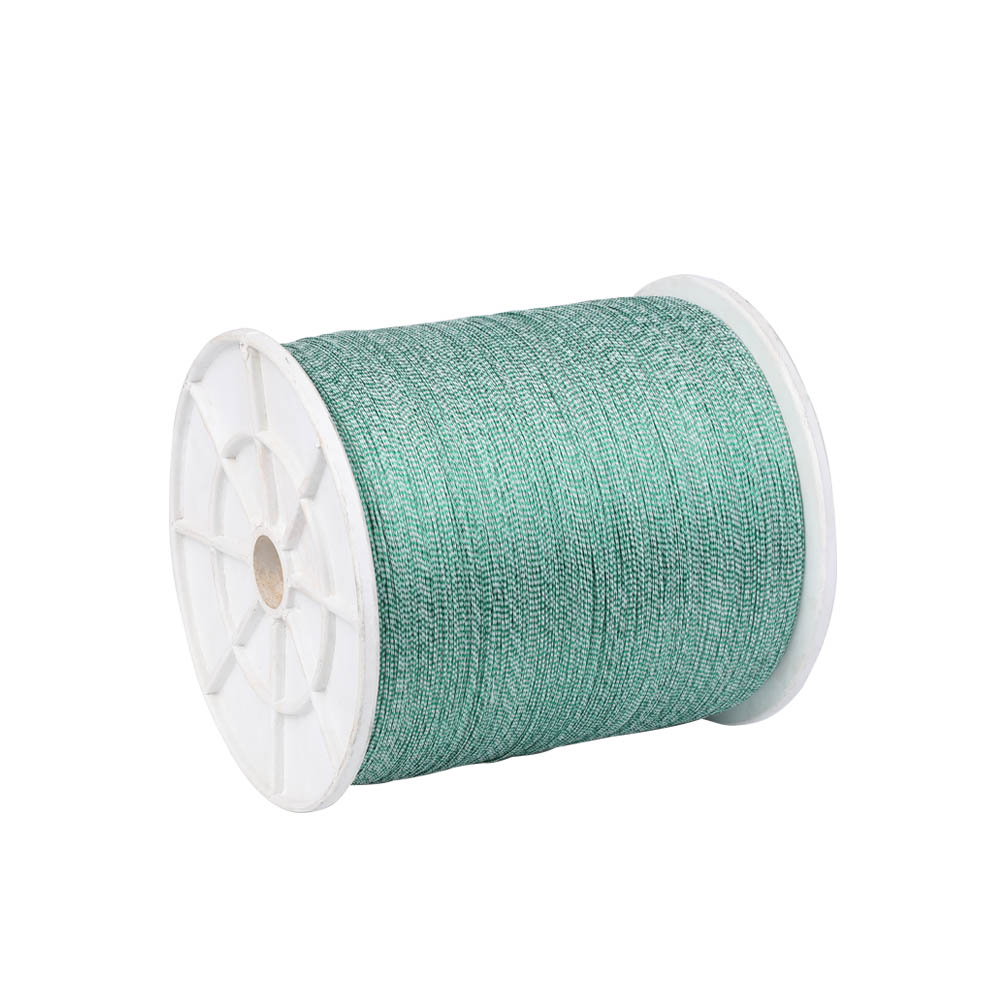
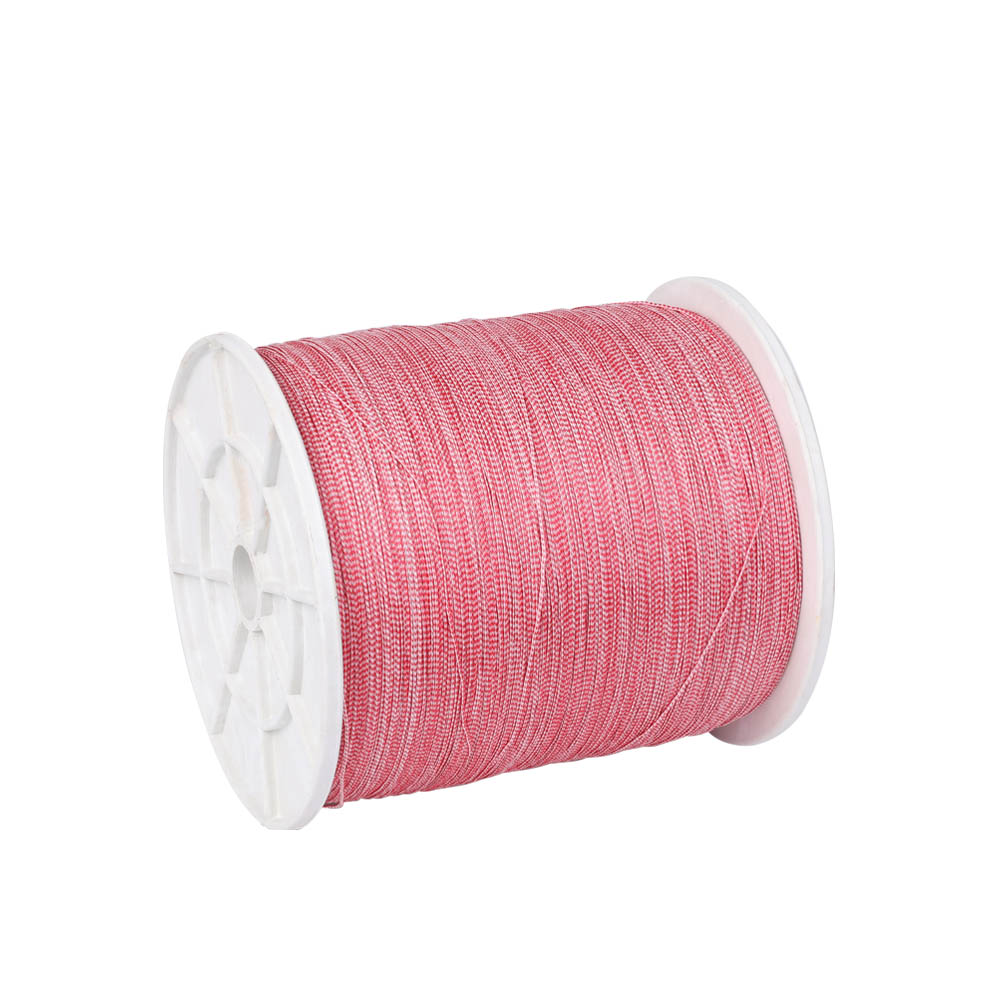
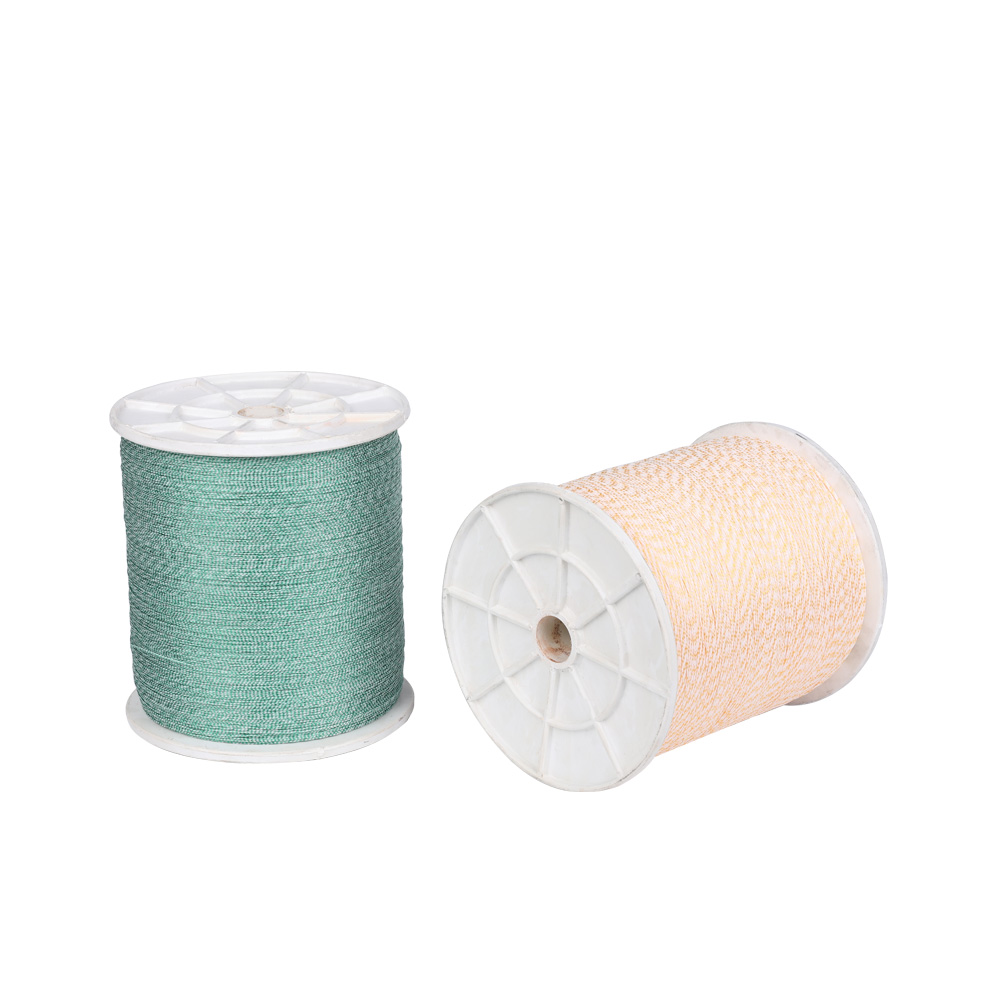
The Critical Role of Binding Wire in Motor Coil Stability
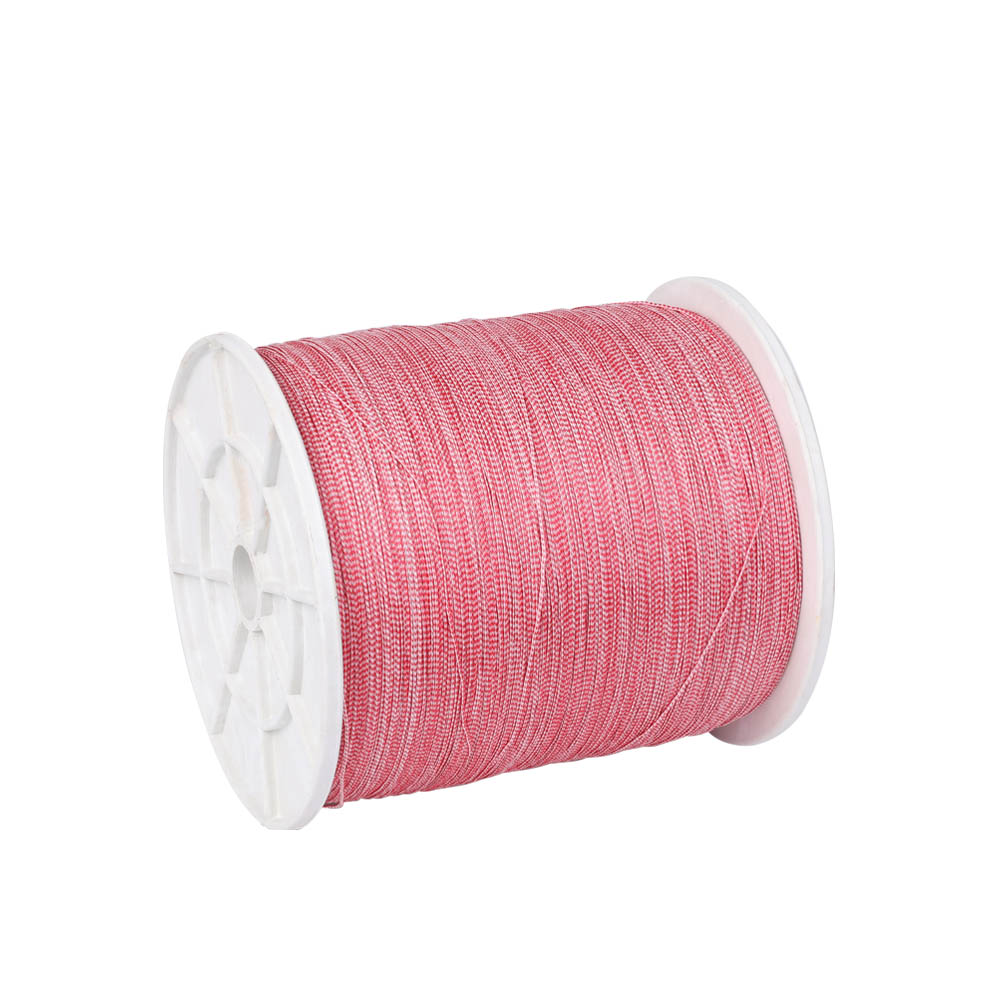
In the realm of home appliance motors, such as those found in washing machines, vacuum cleaners, and air conditioners, the internal copper windings are subject to intense electromagnetic forces and high-frequency vibrations. Motor binding wire, also known as lacing tape or stator string, serves as the primary structural reinforcement for these coils. By tightly securing the end-turns of the stator windings, binding wire prevents wire movement that could lead to insulation abrasion, short circuits, and eventual motor failure. Without proper binding, the centrifugal forces and thermal expansion during operation would cause the delicate magnet wires to shift, significantly shortening the lifespan of the appliance.
Common Materials and Their Technical Advantages
Choosing the right material for motor binding is essential for ensuring compatibility with the motor's thermal class and chemical environment. Manufacturers typically select materials based on their tensile strength and resistance to resins or varnishes used during the impregnation process.
- Polyester (PET) Yarn: The most common choice for standard household appliances due to its high mechanical strength and excellent shrinkage properties when heated, which helps tighten the bond.
- Para-Aramid (Kevlar): Utilized in high-performance or heavy-duty motors where extreme heat resistance and zero-stretch characteristics are required to maintain coil integrity.
- Glass Fiber Tapes: Preferred for Class H and higher insulation systems, offering superior fire resistance and dimensional stability under intense thermal loads.
Comparison of Binding Wire Specifications
The following table outlines the typical specifications required for various home appliance motor binding wire categories to ensure optimal performance and safety compliance.
| Motor Application | Typical Material | Thermal Class | Key Requirement |
| Kitchen Mixers | Braided Polyester | Class B (130°C) | Vibration Damping |
| Washing Machines | Waxed Polyester | Class F (155°C) | Moisture Resistance |
| Compressor Motors | Non-Adhesive PET | Class H (180°C) | Chemical Inertness |
Optimizing the Lacing Process for Manufacturing Efficiency
Manual vs. Automated Binding
In large-scale home appliance production, automated stator lacing machines are the standard. These machines ensure consistent tension across every loop, which is vital for balanced motor performance. Manual binding is still prevalent in specialized repair shops or for low-volume, high-complexity industrial motors where customized knotting patterns are required to navigate tight spatial constraints within the motor housing.
Tension Control and Knot Integrity
Applying the correct amount of tension during the binding process is a delicate balance. If the wire is too loose, the windings will vibrate and eventually fail; if it is too tight, the binding wire can cut through the thin enamel coating of the magnet wire, causing an immediate electrical short. High-quality binding wires are often treated with a specialized finish or wax to lubricate the passage through lacing needles while ensuring the knots remain locked once tightened.
Future Trends in Motor Binding Technology
As home appliances move toward "brushless DC" (BLDC) technology and higher energy efficiency ratings, the demands on binding wire are evolving. Modern motors are becoming more compact, requiring thinner yet stronger binding materials to save space without sacrificing structural support. Additionally, there is a growing shift toward eco-friendly, recyclable synthetic fibers that can withstand the newer, low-VOC (Volatile Organic Compound) varnishes used in green manufacturing. Staying updated on these material advancements is crucial for appliance manufacturers aiming to meet global durability and sustainability standards.