English
 中文简体
中文简体

Content
Understanding the Critical Role of Binding Wire in Motor Winding
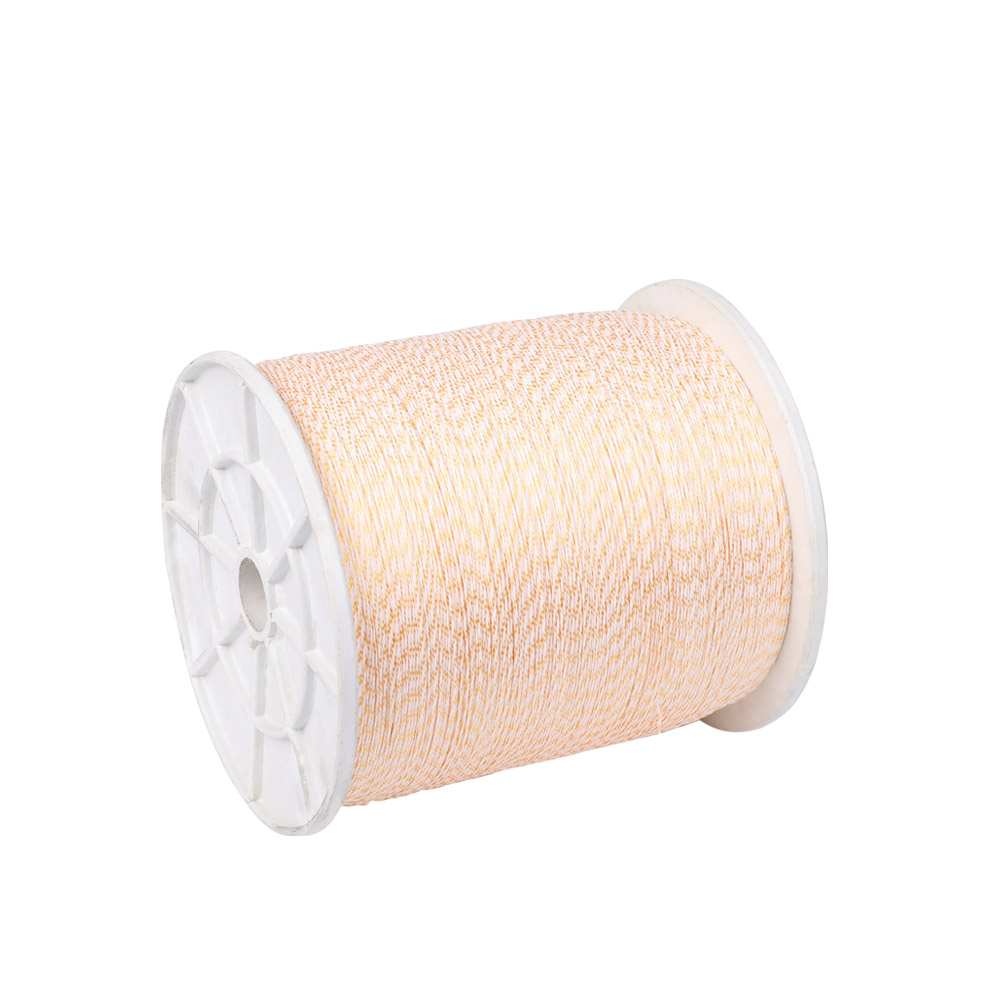
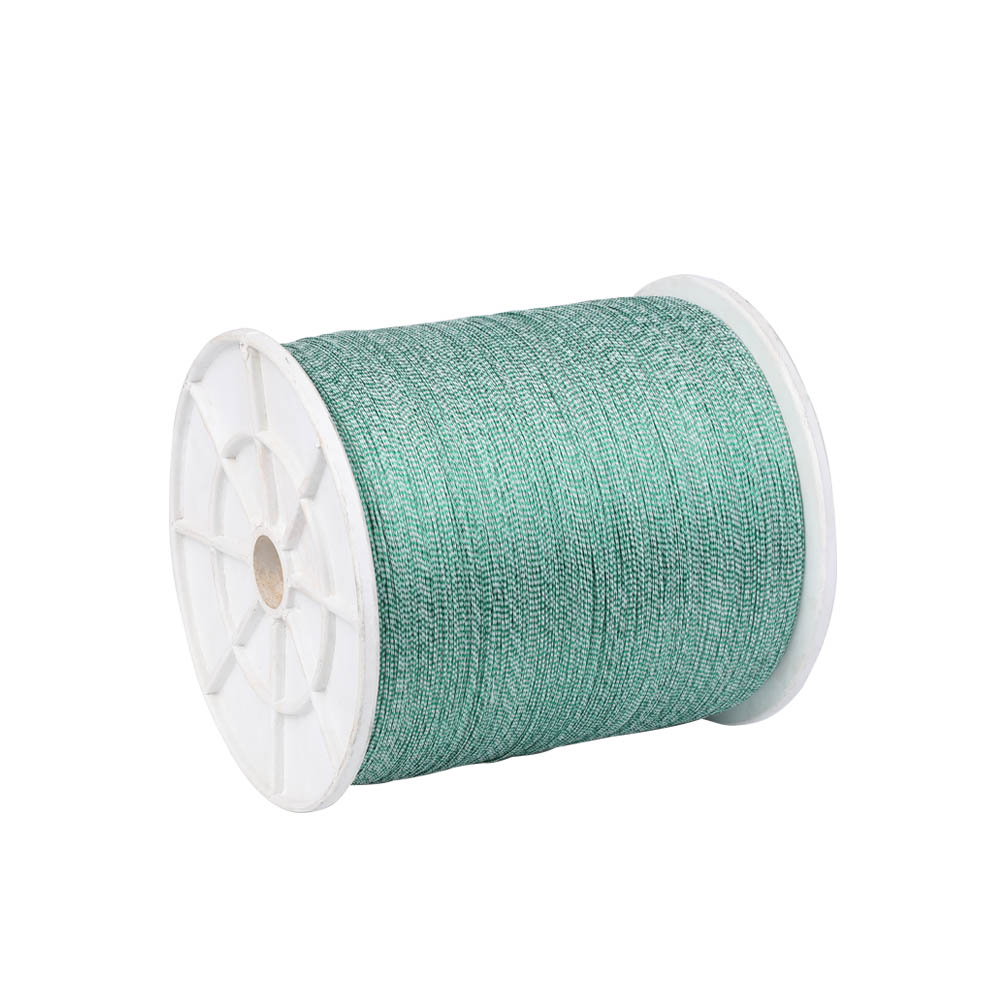
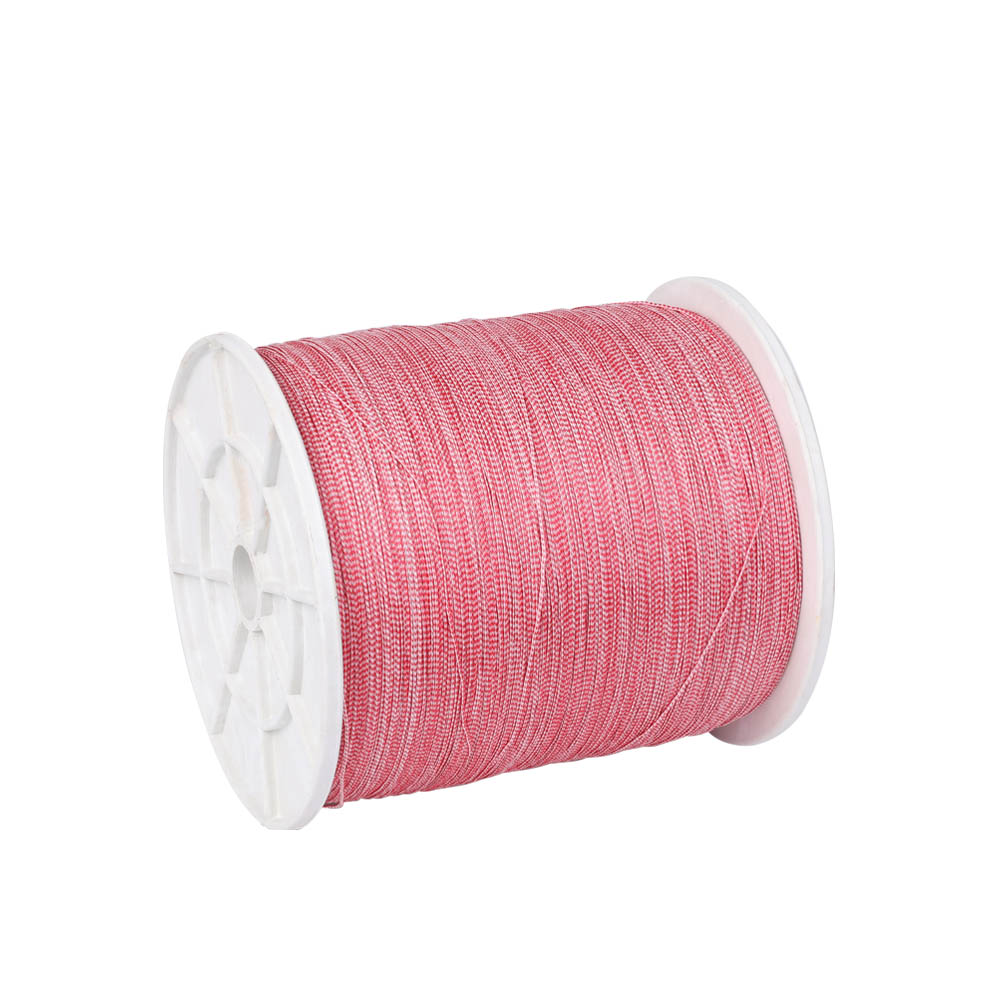
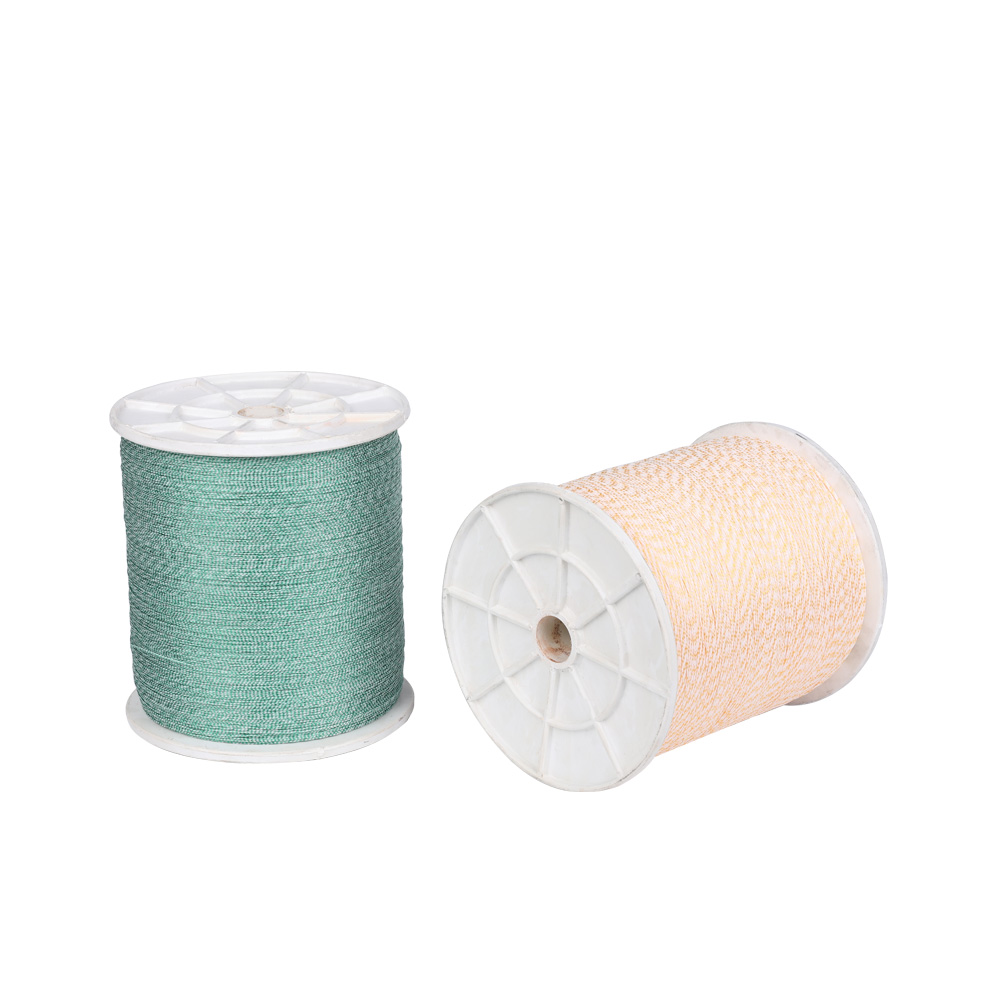
In the realm of Water Pump Motor Binding Wire repair and manufacturing, binding wire—often referred to as lacing cord or tie string—is a fundamental component that ensures the structural integrity of the stator windings. Its primary purpose is to secure the coil ends firmly, preventing any mechanical movement caused by electromagnetic forces or vibrations during operation. Without high-quality binding, the friction between individual copper wires can lead to insulation wear, eventually causing short circuits and total motor failure. Selecting the right material and applying the correct tension is essential for maintaining the motor's performance over thousands of duty cycles.
Essential Material Properties for Pump Motor Applications
Because water pump motors often operate in humid environments and experience significant temperature fluctuations, the binding wire must possess specific physical and chemical properties. It must be resistant to moisture, oils, and the various insulating varnishes used during the finishing process. Most professional-grade binding wires are made from high-tenacity polyester or nylon fibers, which offer excellent tensile strength and minimal shrinkage when exposed to heat. This ensures that the coils remain tightly packed even after the motor reaches its peak operating temperature.
Key Technical Specifications to Consider
- Thermal Class: Ensure the wire matches the motor's insulation class (e.g., Class F or H).
- Tensile Strength: High breaking strength is required to allow for tight manual or machine lacing.
- Varnish Compatibility: The fiber should readily absorb or bond with resin for a solid finish.
- Chemical Resistance: Protection against moisture ingress and common lubricants.
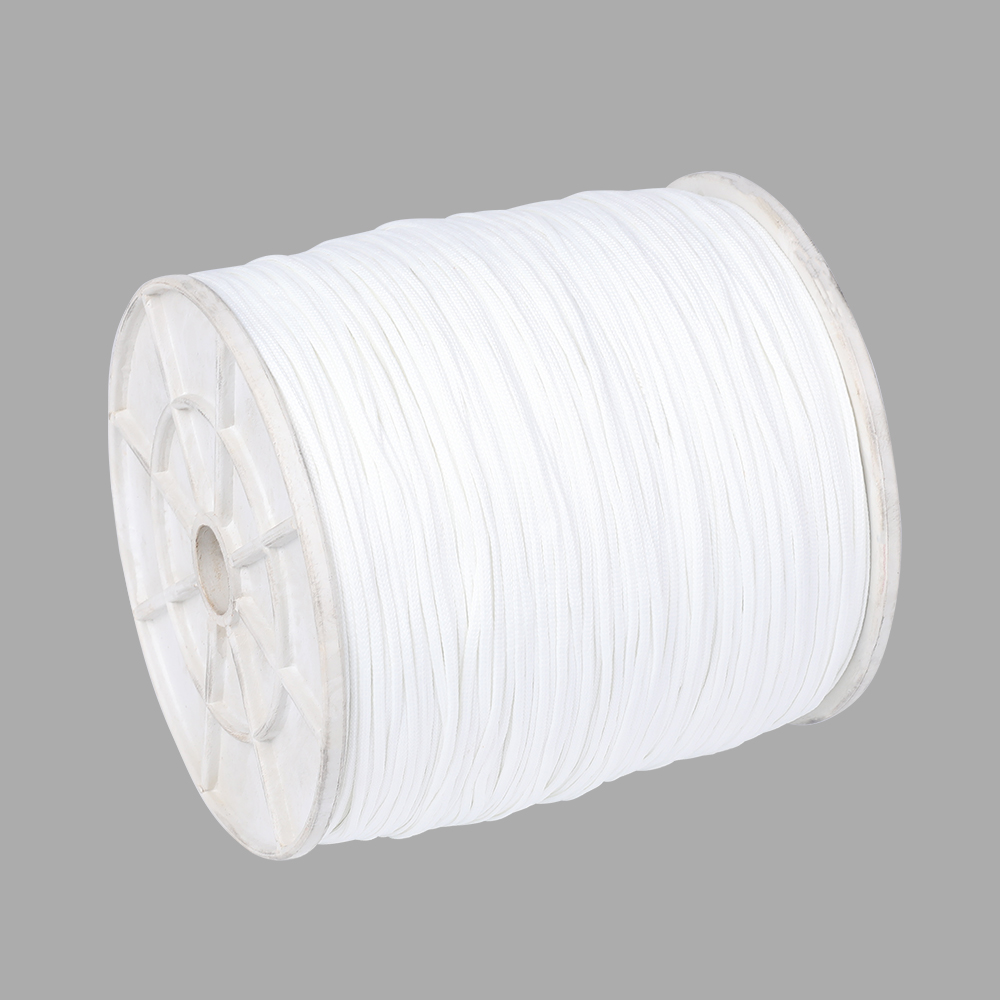
Comparison of Common Binding Wire Materials
Technicians must choose between different types of binding materials based on the specific requirements of the water pump. While simple cotton threads were used historically, modern synthetics have largely taken over due to their superior durability. The following table highlights the differences between common modern materials used in the industry today.
| Material Type | Heat Resistance | Durability | Best Use Case |
| Polyester (Braided) | High (Up to 155°C) | Excellent | General Purpose Pumps |
| Glass Fiber Yarn | Very High (Over 180°C) | Rigid/Strong | Heavy Duty Industrial |
| Waxed Nylon | Moderate (120°C) | Good Grip | Small Submersible Motors |
Best Practices for the Binding and Lacing Process
Proper execution of the binding process is just as important as the material choice. When lacing the stator, the technician should ensure that the "knots" or loops are spaced evenly around the circumference of the coil overhang. This creates uniform pressure and prevents the copper windings from bulging outward, which could lead to contact with the rotor or the pump casing. It is also standard practice to use a continuous length of wire whenever possible to minimize the number of knots, which are potential points of failure or mechanical bulk.
Step-by-Step Binding Techniques
- Preparation: Clean the coil ends and ensure all phase insulation papers are correctly positioned.
- Tensioning: Pull the binding wire tight enough to compress the coils without cutting into the wire insulation.
- Locking: Use a "lock stitch" at every loop to ensure that if the wire snaps in one location, the rest of the binding remains intact.
- Final Varnish: After binding, apply a high-grade insulating varnish to soak into the wire, effectively "gluing" the entire assembly into a solid mass.
Common Mistakes to Avoid in Motor Binding
One of the most frequent errors in water pump motor repair is using binding wire that is too thick for the slot space, which can interfere with the end-shield fitting. Conversely, using a wire that is too thin may result in the wire snapping under the thermal expansion of the copper during heavy operation. Additionally, failing to tighten the binding at the transition points where the leads exit the winding can lead to lead-wire vibration, which is a common cause of premature motor burnout in high-vibration centrifugal pumps. Always verify that the binding wire used is rated for the specific moisture levels the pump will encounter.