English
 中文简体
中文简体

Content
The Essential Role of Binding Wire in Refrigerator Motor Longevity
In the intricate world of refrigerator compressor repair, motor binding wire—often referred to as lacing cord or stator twine—plays a critical structural role. When a compressor motor is rewound, the copper windings must be tightly secured to prevent any physical movement during operation. Because a refrigerator motor starts and stops thousands of times throughout its lifespan, the electromagnetic forces can cause the coils to vibrate. Without high-quality binding wire to anchor these coils, the friction between individual wires would eventually wear through the enamel insulation, leading to a catastrophic short circuit and motor failure.
Choosing the correct material for binding is not just about strength; it is about chemical compatibility. In a hermetically sealed refrigerator system, the motor is constantly exposed to a mixture of refrigerant and lubricating oil. The binding wire must be chemically inert to ensure it does not break down or leach contaminants into the cooling system, which could clog the capillary tubes or damage the internal valves of the compressor.
Material Specifications for Compressor Motor Binding
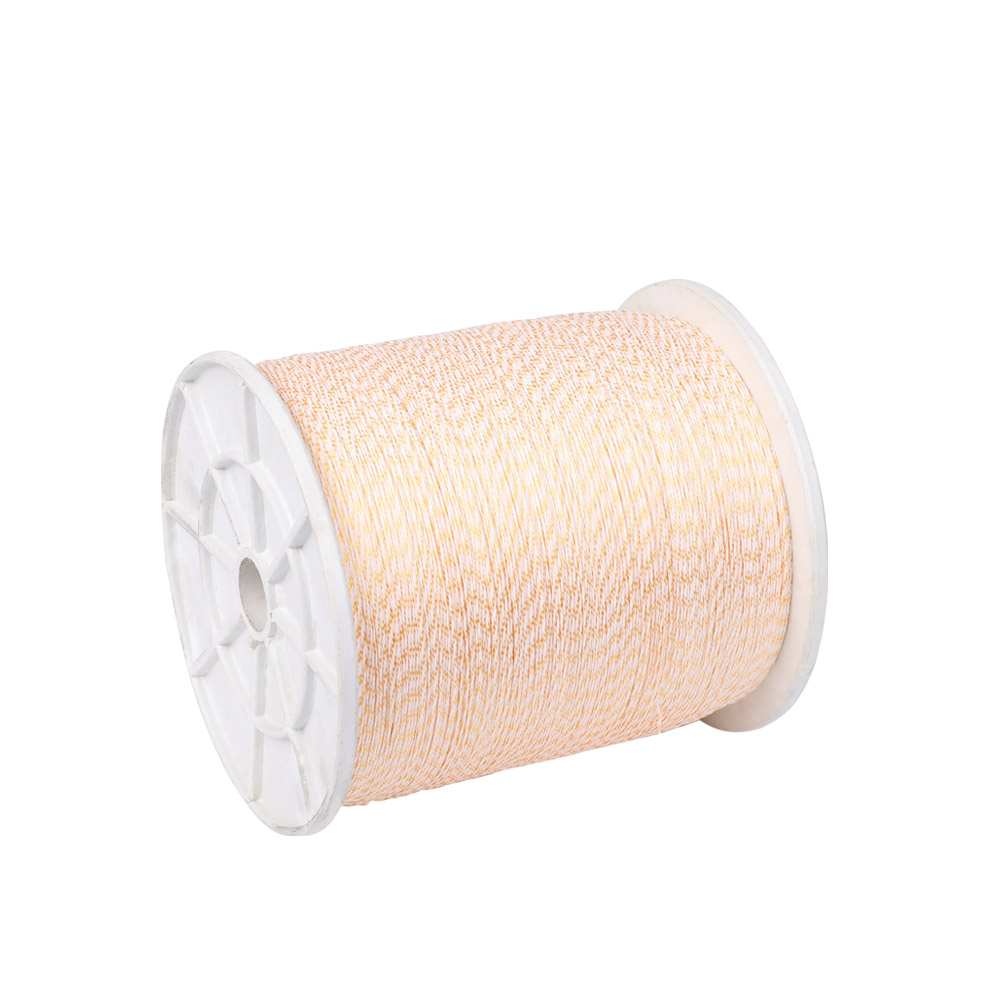
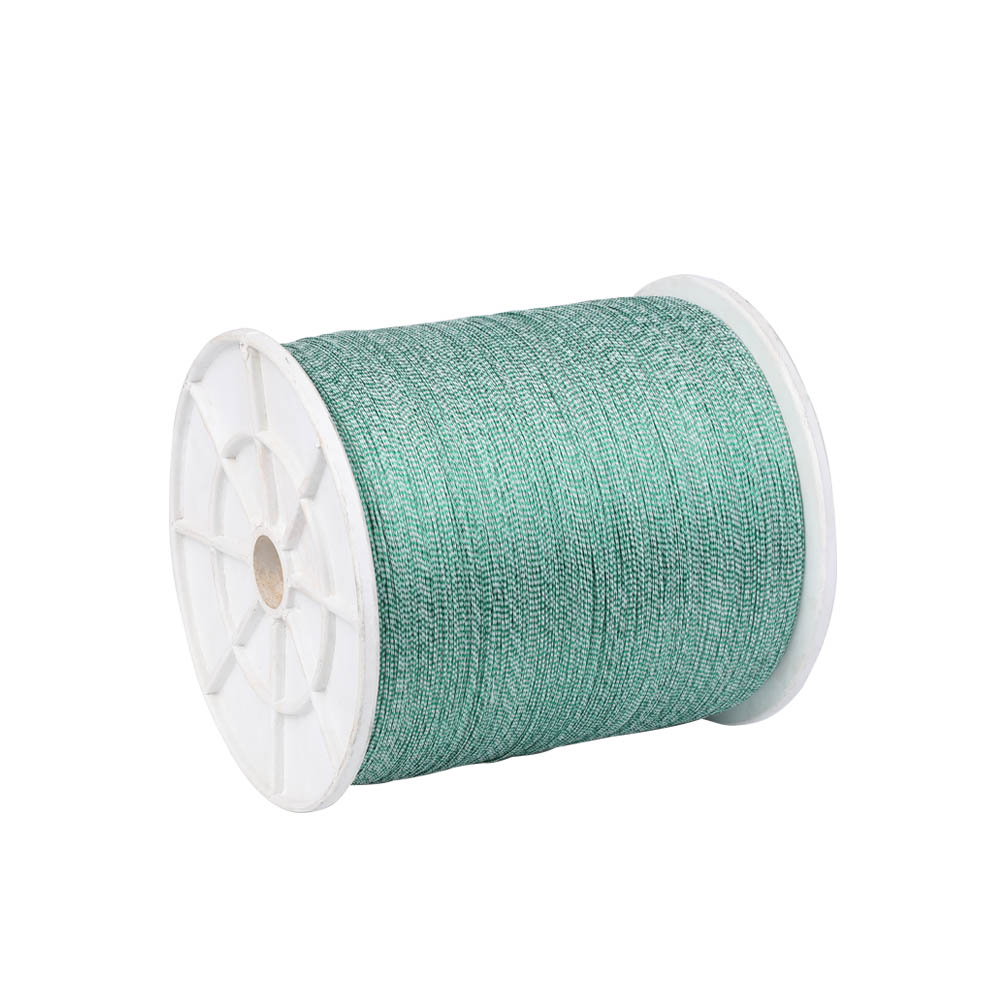
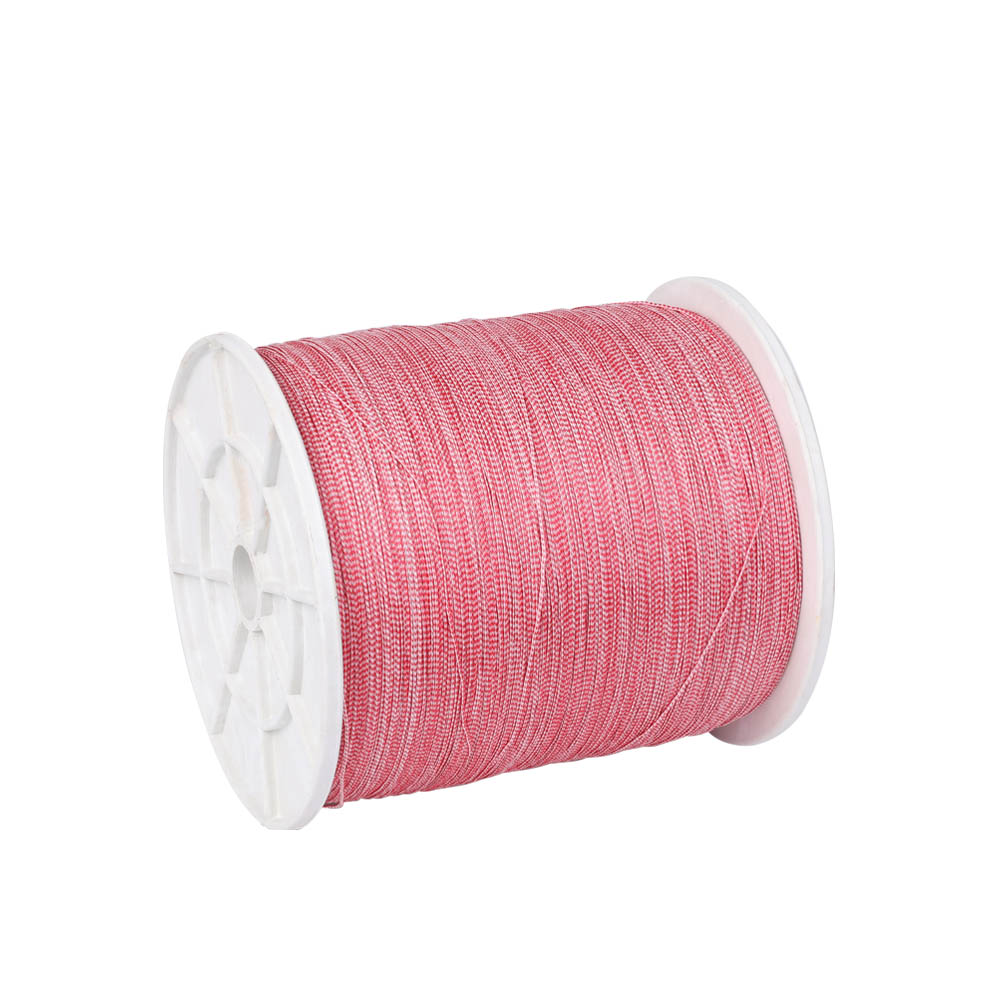
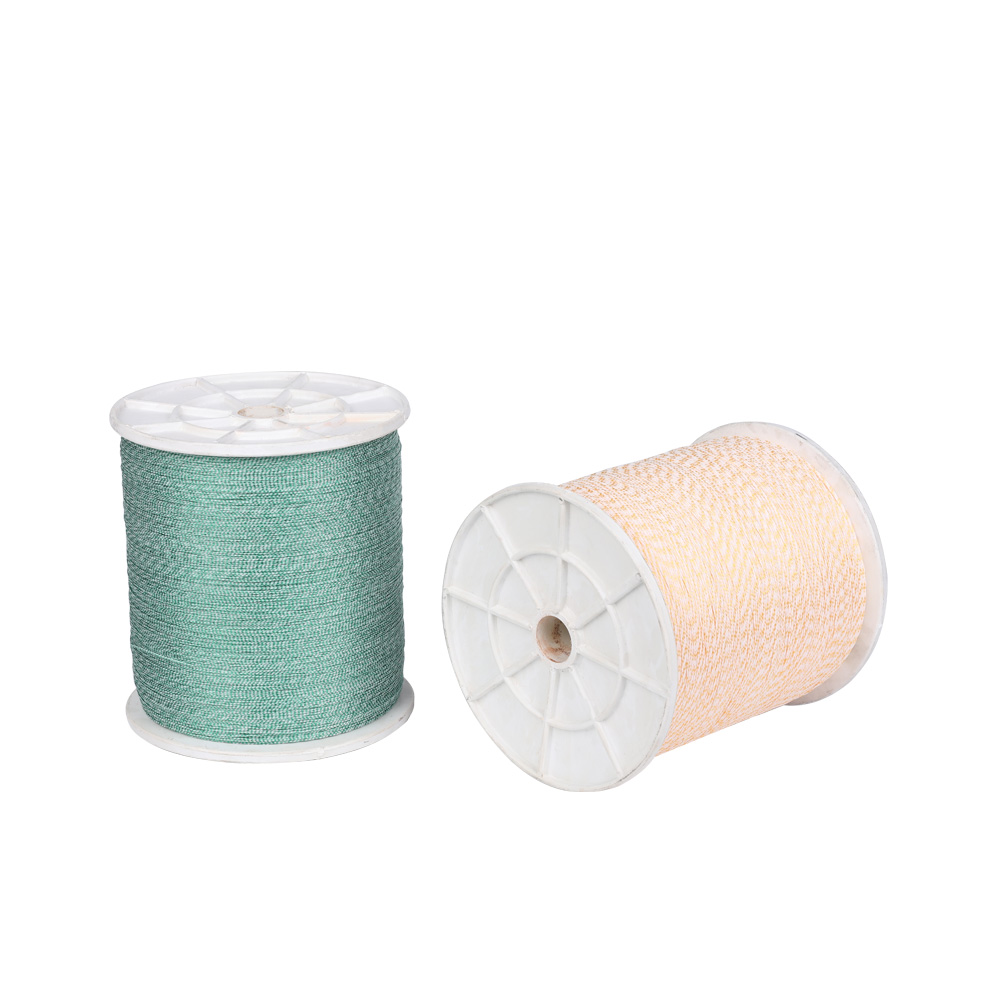
Not all industrial threads are suitable for Refrigerator Motor Binding Wire. Technicians must select materials that can withstand the high-temperature environment of an active compressor while remaining submerged in oil. Common materials include polyester (Dacron), nylon, or specialized heat-treated glass fiber. Polyester is the industry standard due to its excellent tensile strength and resistance to synthetic oils used in modern R134a or R600a systems.
Comparison of Common Binding Materials
| Material Type | Heat Resistance | Chemical Compatibility | Primary Use Case |
| Polyester (Wax-Free) | High (Class F/H) | Excellent with Polyolester Oils | Standard Hermetic Motors |
| Braided Nylon | Medium (Class B) | Good with Mineral Oils | Older R12/R22 Systems |
| Glass Fiber Cord | Extreme | Universal | Heavy Duty Industrial Motors |
Technical Best Practices for Binding Motor Windings
The process of binding, often called "lacing," requires precision to ensure that the motor fits back into its housing without obstruction. The binding wire should be applied using a consistent tension; too loose, and the coils will vibrate; too tight, and you risk cutting the insulation of the magnet wire. Technicians usually employ a "diamond stitch" or a continuous loop stitch to ensure even pressure across the entire circumference of the stator head.
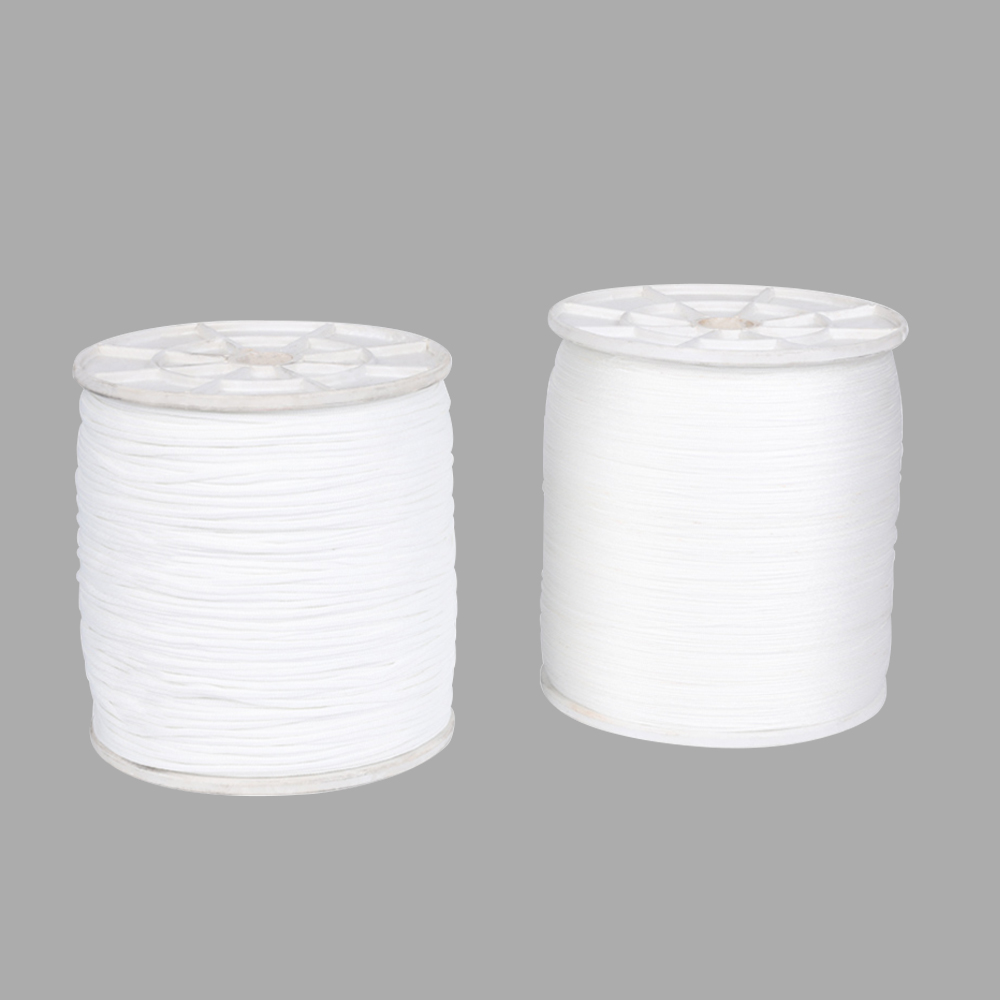
Before applying the binding wire, it is essential to ensure the wire is "wax-free." Many general-purpose lacing cords are coated in wax to make them easier to handle, but in a refrigerator motor, this wax will melt, dissolve into the refrigerant oil, and eventually cause a system blockage. Always verify that the binding material is rated for "hermetic" use.
- Ensure the end-turns of the copper coils are neatly shaped before starting the binding process.
- Use a plastic or bone fid tool to tuck the binding wire without scratching the enamel coating.
- Double-knot the start and finish points of the lace, securing them with a drop of insulating varnish.
- Verify that the height of the bound coils does not exceed the original manufacturer specifications.
Varnishing and Final Stabilization
Once the binding wire is securely in place, the entire stator usually undergoes a varnishing process. The binding wire acts as a wick, absorbing the varnish and creating a solid, monolithic structure once cured. This prevents any individual strand of the binding wire from fraying or coming loose over time. In refrigerator motors, the varnish must be baked to ensure it is fully polymerized, as uncured varnish can react with modern refrigerants.
Finally, a thorough inspection of the bound motor is necessary. Technicians look for "high spots" where the binding wire might rub against the compressor shell or the rotor. Proper binding should result in a compact, rigid winding set that facilitates optimal heat dissipation while providing the mechanical strength needed for decades of operation.