English
 中文简体
中文简体

Content
A Modern Marvel of Material Science
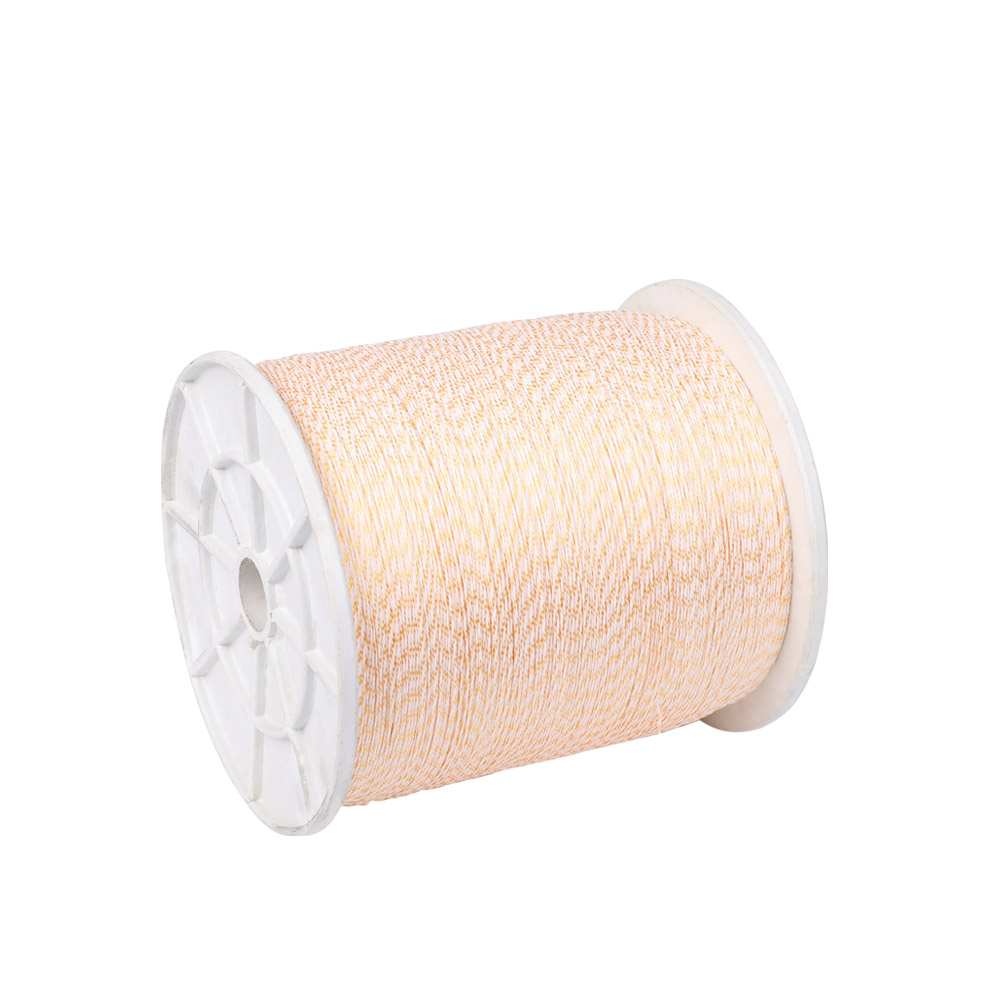
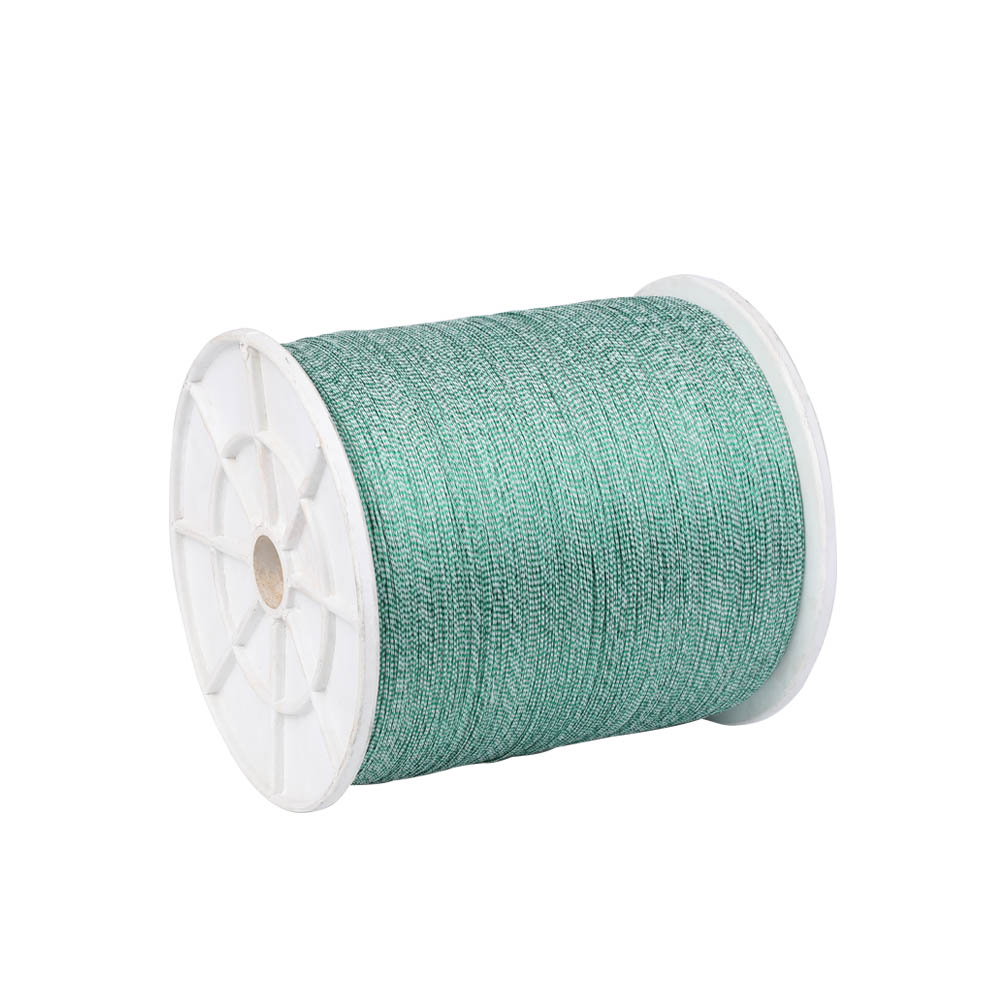
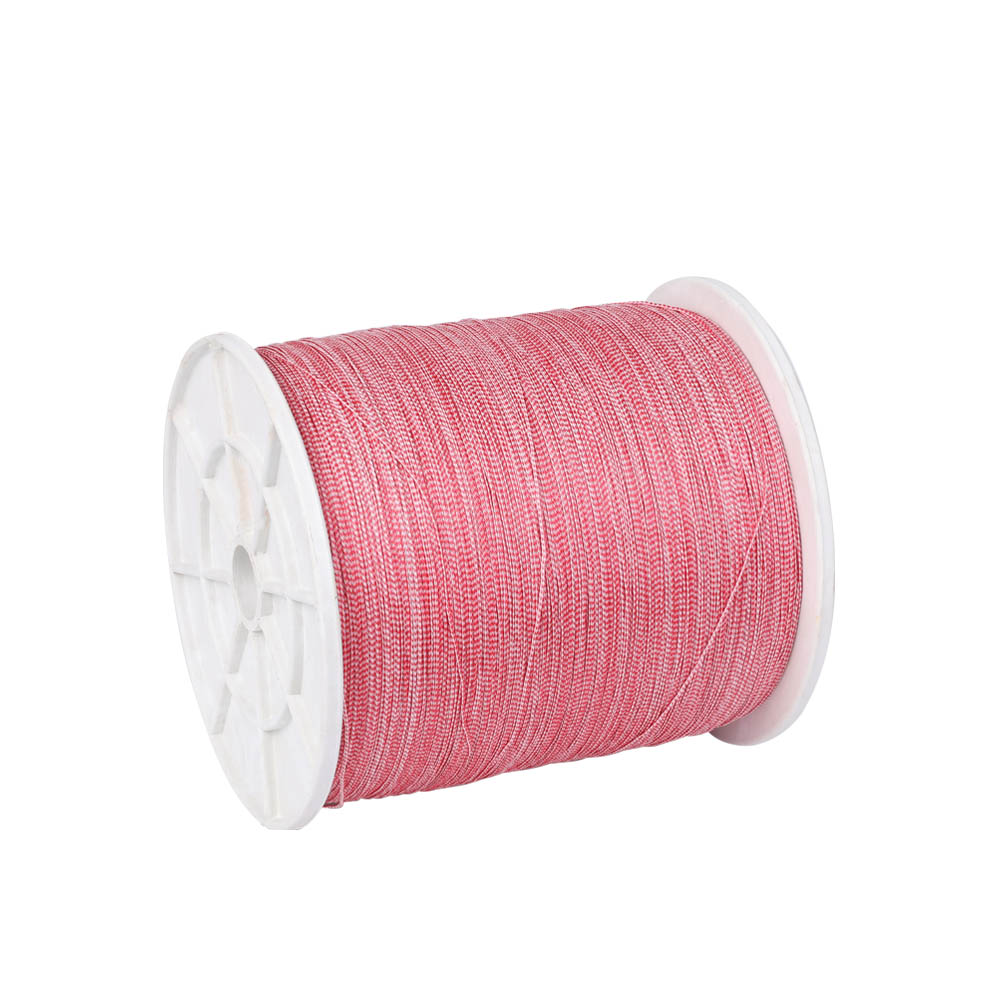
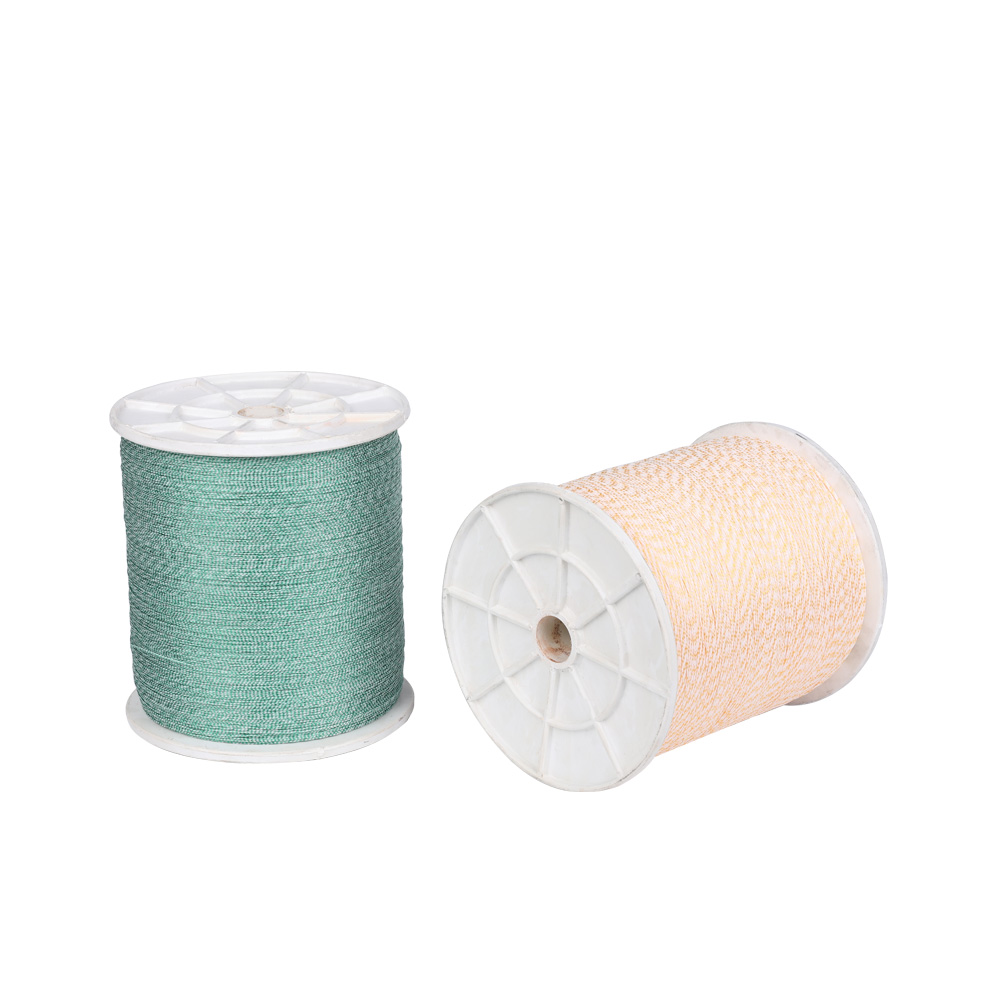
In the vast landscape of materials used for securing, bundling, and transporting goods, one often overlooked contender is the remarkably versatile and robust substance known as Polyester Binding Wire. While the term might sound highly technical, the applications of this material touch nearly every industry, from agriculture and construction to packaging and logistics. It represents a significant step forward from traditional binding methods, offering a blend of strength, safety, and sustainability that is hard to match.
What Exactly is Polyester Binding Wire?
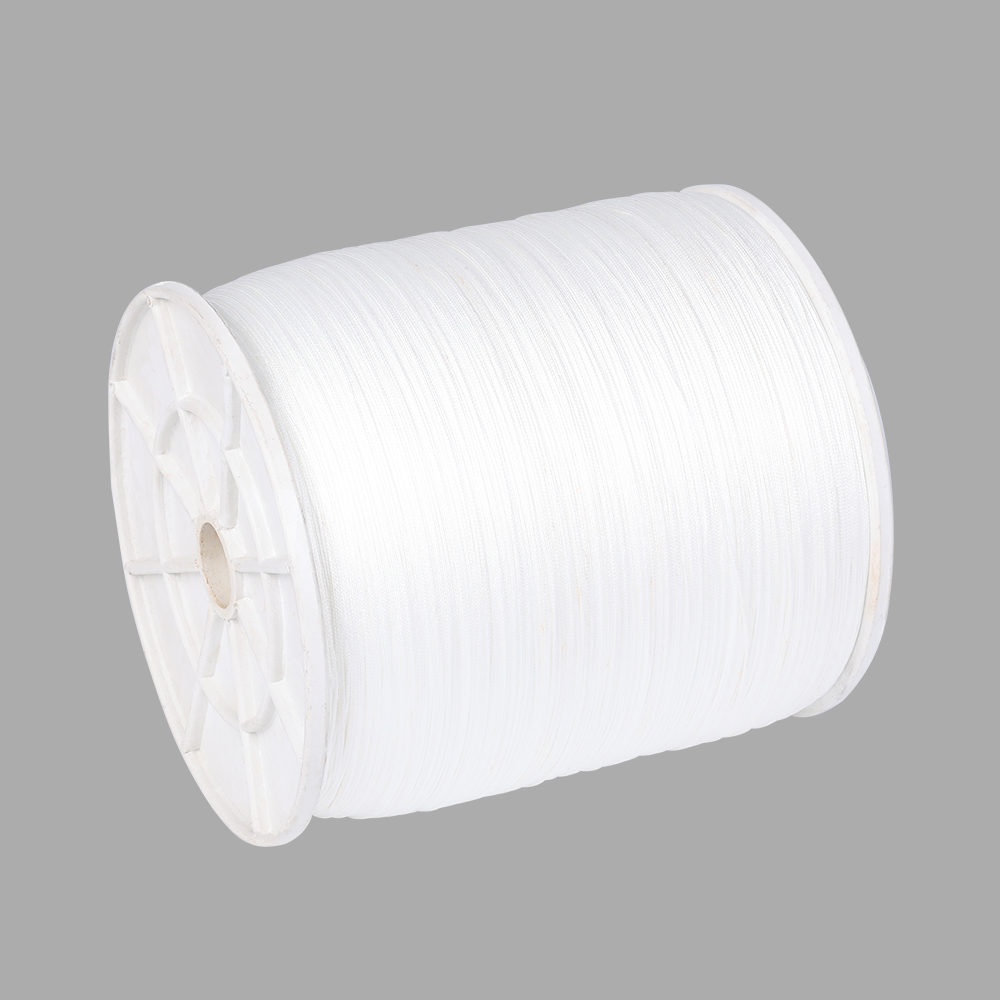
At its core, Polyester Binding Wire is a product derived from polyethylene terephthalate, or PET, which is the same polymer used to make common plastic bottles. However, through a specialized process of extrusion and drawing, this PET material is transformed into high-tensile, monofilament strands. These strands are then bundled or twisted to create a ‘wire’ that is exceptionally strong, lightweight, and resistant to environmental factors.
Unlike traditional metal wires, which can rust, be sharp, and potentially damage the material they are binding, the polyester variant offers a clean and safe alternative. Its primary benefits stem from its unique molecular structure, which grants it “memory” or elastic recovery. This means that after tensioning, it maintains a consistent holding force, accommodating the shifting and settling of the bundled goods without becoming loose.
The Versatility of Polyester in Action
The adoption of Polyester Binding Wire has surged because it solves critical problems across various sectors. Its properties make it ideal for situations where maintaining consistent tension and resisting harsh outdoor conditions are paramount.
Revolutionizing Agriculture and Horticulture
In agriculture, particularly in vineyards, orchards, and hop fields, this binding wire has become indispensable. Here, it is often referred to as ‘Trellis Wire’ or ‘Grow Wire’. Its ability to withstand extreme weather—including UV radiation, fluctuating temperatures, and moisture—without degrading is key.
- UV Stability: The sun’s rays can quickly degrade most plastics, but specialized additives ensure the polyester wire retains its strength for years, supporting heavy crops like grapes or kiwis.
- Corrosion Resistance: Unlike galvanized steel wire, it never rusts, preventing toxic runoff that could harm crops or soil.
- Safety and Flexibility: It is safer for farm workers to handle, and its slight elasticity reduces the risk of cutting into and damaging the growing plant stems or trunks.
Innovation in Industrial and Packaging Applications
Beyond the field, Polyester Binding Wire is a powerhouse in the packaging and manufacturing industries, where it serves as a superior alternative to steel strapping.
- Lighter Weight, Higher Safety: A spool of polyester wire is significantly lighter than a comparable spool of steel, making it easier and safer for workers to handle. In the event of a strap breaking, the polyester recoils with less force than steel, drastically reducing the risk of injury.
- Shock Absorption: When strapped to pallets or bundles of goods, the polyester wire can absorb shock and impact during transit better than steel, which can be rigid and snap. This elastic shock absorption ensures the load remains secure during bumpy rides.
- Cost-Effectiveness: While its upfront cost may vary, its longevity, reduced freight costs due to its lighter weight, and ease of recycling often make it a more economical choice over the product lifecycle.
The Future is Sustainable: A Look at PET Recycling
One of the most appealing features of Polyester Binding Wire is its inherent connection to the circular economy. Since it is made from PET, it is completely recyclable. This is a critical advantage in an age where environmental responsibility drives consumer and corporate purchasing decisions.
Many manufacturers are now actively incorporating recycled PET (rPET) into their binding wire products, turning what was once waste plastic into a high-performance industrial material. This closed-loop system reduces reliance on virgin fossil fuels and minimizes landfill waste, solidifying Polyester Binding Wire’s position as a forward-thinking, sustainable solution for the modern world.