English
 中文简体
中文简体

Content
Understanding the Critical Role of Motor Binding Wire
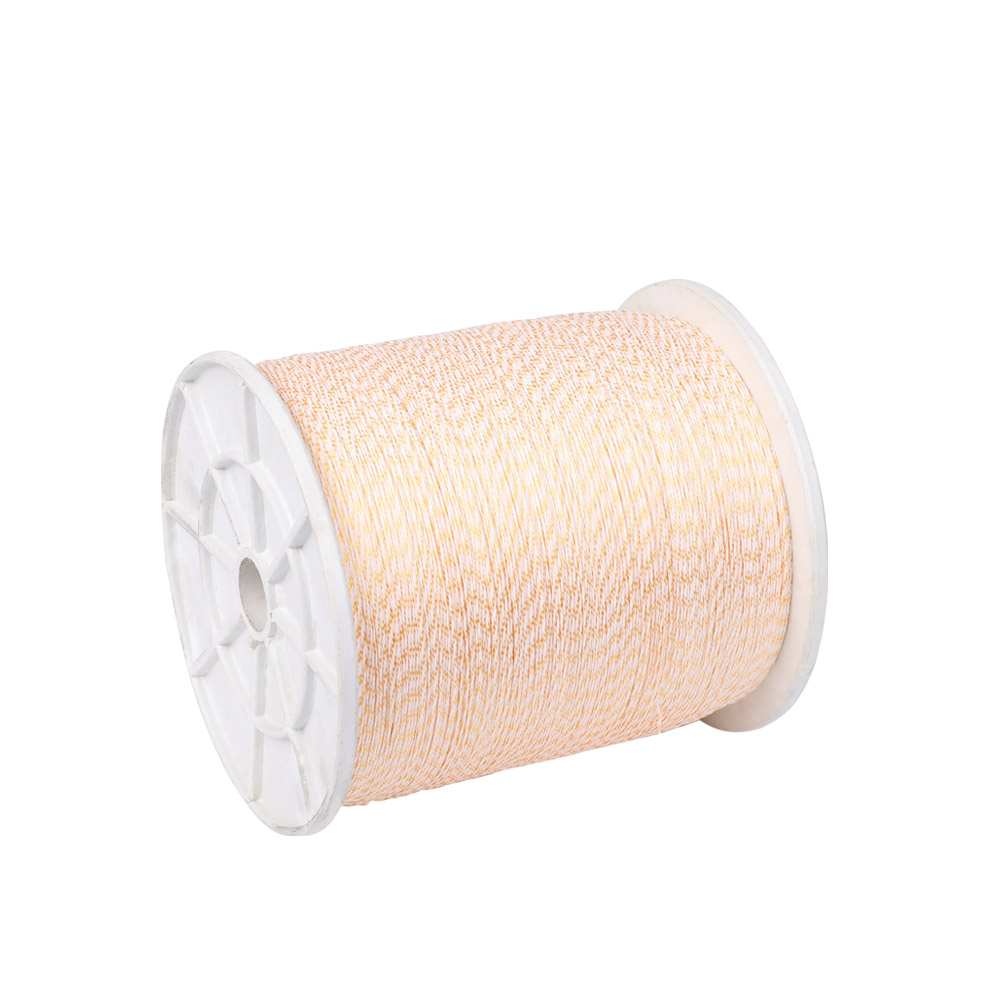
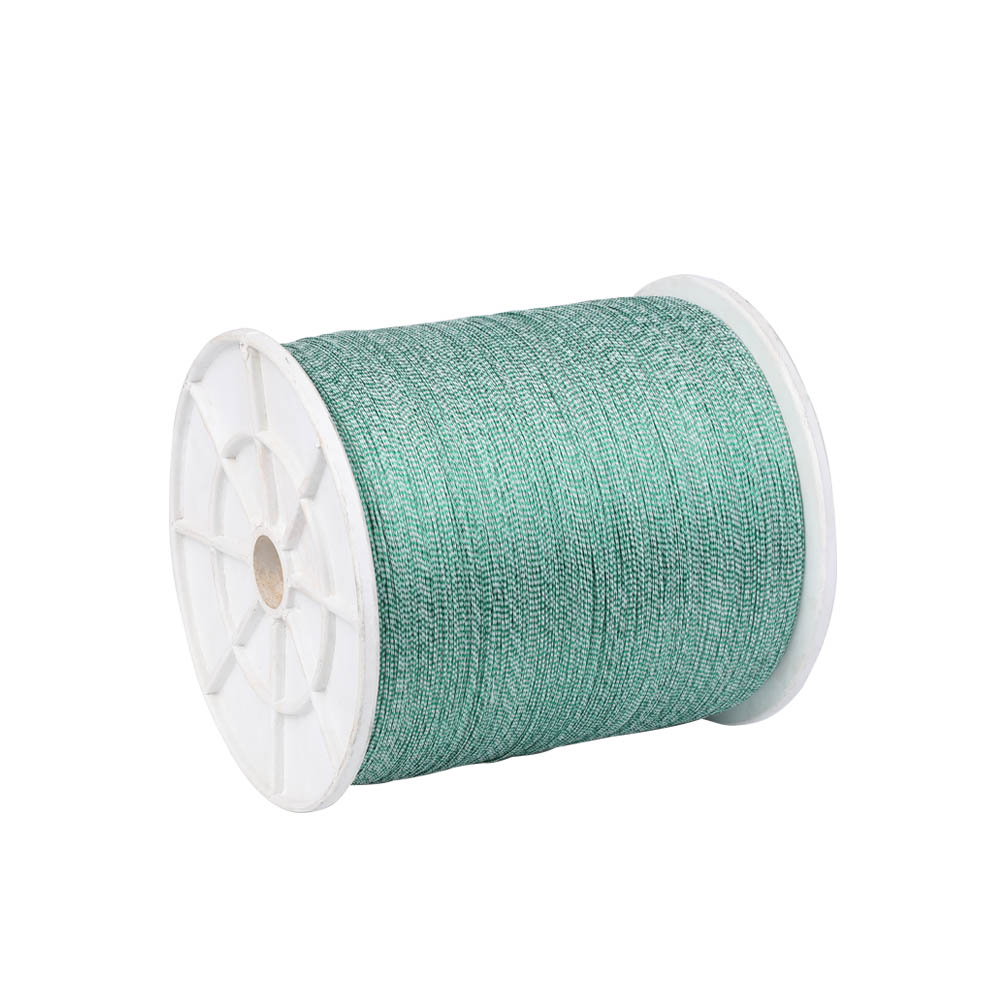
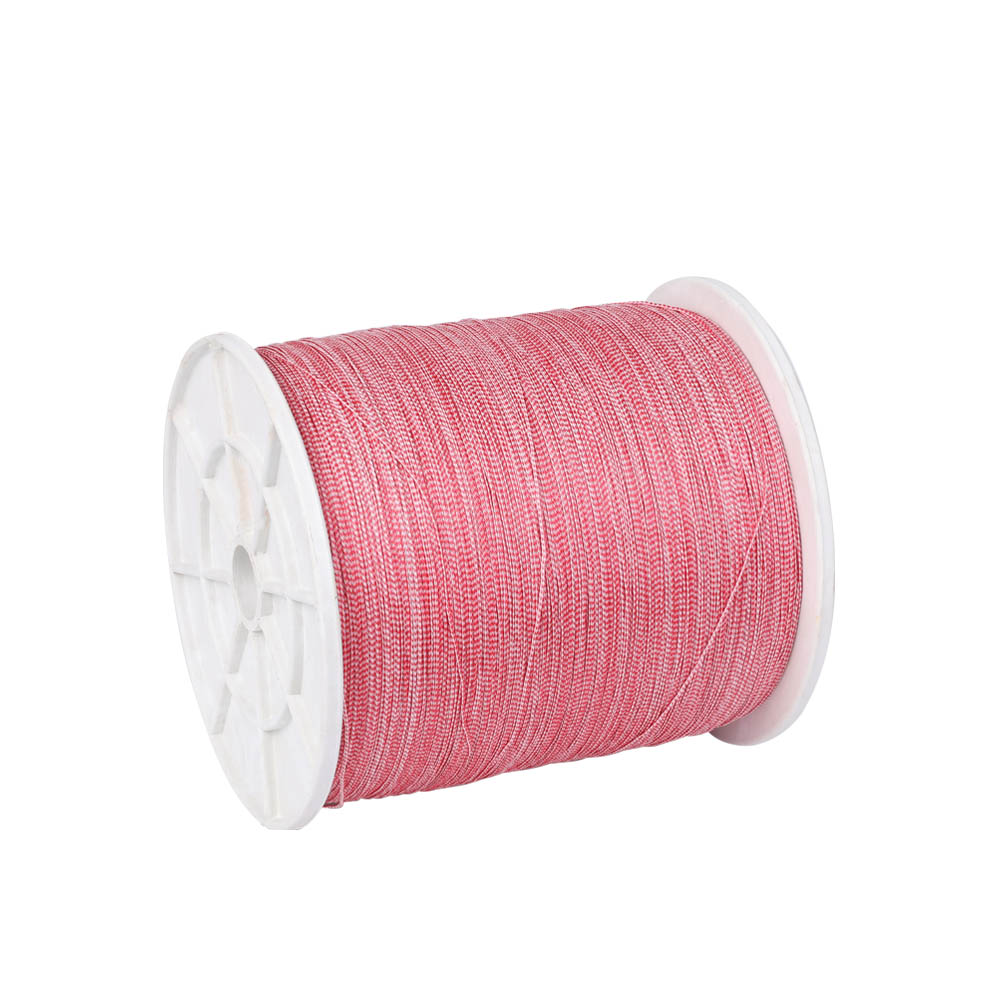
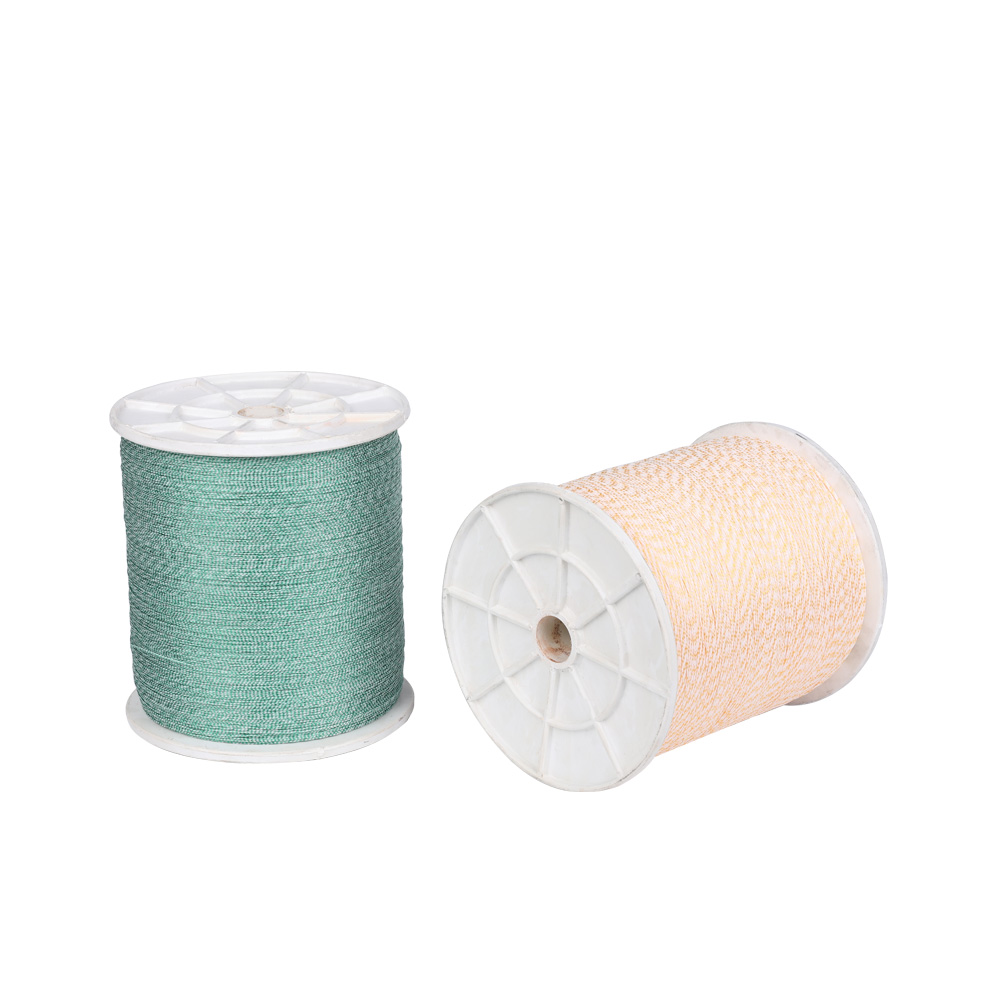
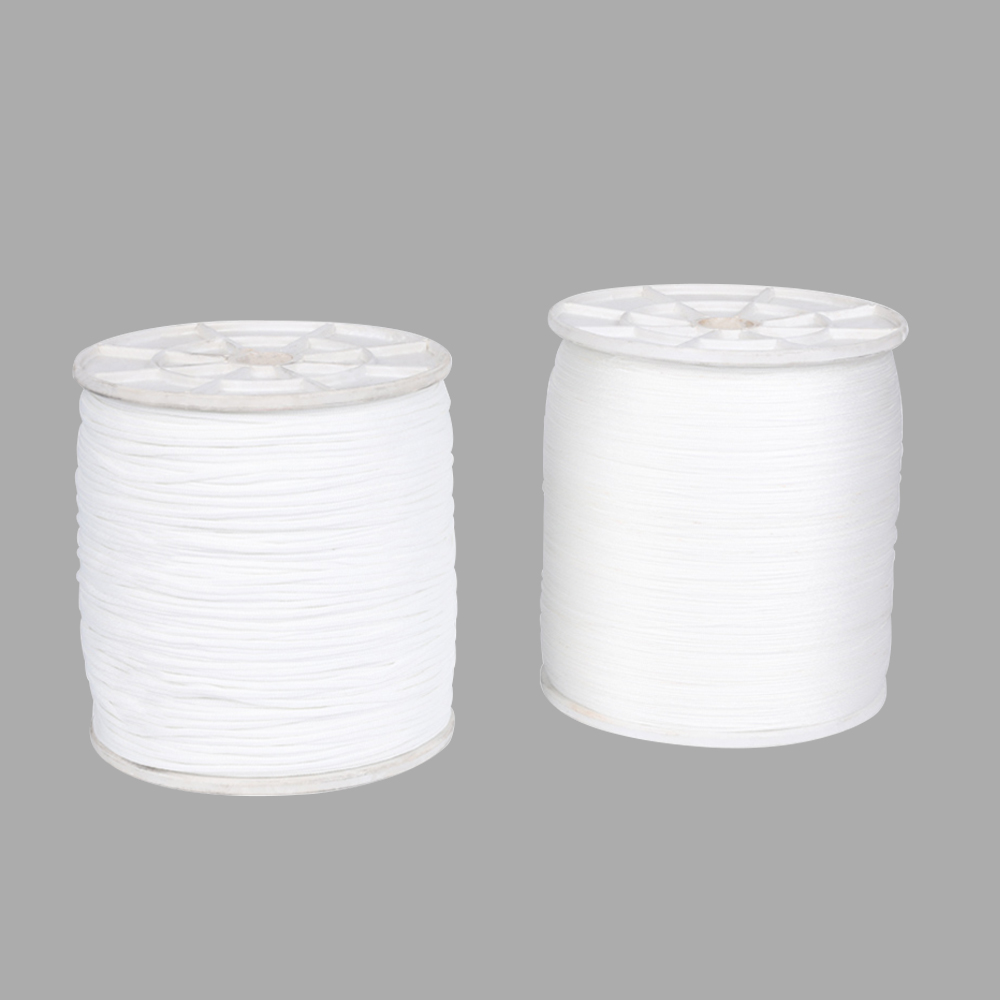
In the intricate world of HVAC engineering, the air conditioner motor serves as the heart of the cooling system. While much attention is paid to the compressor or the refrigerant, the motor binding wire plays an indispensable role in maintaining the structural integrity of the motor's internal windings. This specialized wire, often made from high-tenacity polyester or nylon, is used to "lace" or "bind" the stator windings together. By securing these copper coils, the binding wire prevents mechanical friction and wire movement caused by the electromagnetic forces generated during operation. Without high-quality binding, the constant vibration within the motor would eventually lead to insulation wear and catastrophic electrical failure.
Material Composition and Heat Resistance Requirements
The environment inside an air conditioner motor is harsh, characterized by high temperatures and chemical exposure from lubricating oils and refrigerants. Consequently, motor binding wire must meet stringent material standards to ensure long-term reliability. Manufacturers typically select materials based on their thermal class and tensile strength to withstand the rigors of continuous cycling.
Commonly Used Materials in AC Motors
- Polyester (PET) Lacing Tape: Preferred for its excellent chemical resistance and high melting point, making it ideal for standard residential units.
- Para-Aramid Threads: Used in heavy-duty industrial air conditioners due to their superior strength-to-weight ratio and ability to remain stable at extreme temperatures.
- Nylon Binding Cord: Often chosen for its elasticity, which allows it to maintain tension even as the motor components expand and contract during thermal cycles.
Comparing Binding Wire Specifications
Choosing the correct gauge and material for binding wire depends on the specific horsepower and frame size of the air conditioner motor. The following table illustrates the typical performance metrics required for various motor grades.
| Property | Standard Grade | High-Efficiency Grade |
| Tensile Strength | 15-25 kg | 30-50 kg |
| Thermal Rating | Class B (130°C) | Class H (180°C) |
| Elongation Rate | < 20% | < 12% |
The Technical Process of Lacing and Securing Windings
The application of binding wire is a precision task that occurs after the copper coils are inserted into the stator slots. In modern manufacturing, this is often performed by automated CNC lacing machines, though high-end repairs may still involve manual lacing for custom configurations. The goal is to create a tight, uniform wrap around the end turns of the winding. This "bundling" ensures that the wires act as a single rigid mass. Once the binding is complete, the entire stator is usually dipped in insulating varnish and baked. The binding wire absorbs a portion of this varnish, creating a reinforced composite structure that is virtually immune to the magnetic hum and physical shifting that leads to motor "burnout."
Maintenance and Identifying Binding Failure
While Air Conditioner Motor Binding Wire is designed to last the lifetime of the motor, certain conditions can cause it to degrade prematurely. Excessive overheating of the motor can cause the binding to become brittle and snap, while poor initial tensioning can lead to "loose ends" that interfere with the rotor. Technicians should look for specific signs of binding degradation during routine inspections.
Symptoms of Degraded Binding Wire
- Increased Audible Vibration: A humming or buzzing sound often indicates that windings have loosened due to failed binding.
- Visible Fraying: During a tear-down, any signs of snapped threads or frayed fibers around the coil ends suggest immediate replacement is necessary.
- Burn Marks on Lacing: Discoloration of the binding wire usually points to localized hot spots within the windings.