English
 中文简体
中文简体

Content
Understanding the Strength of Polyester Binding Wire
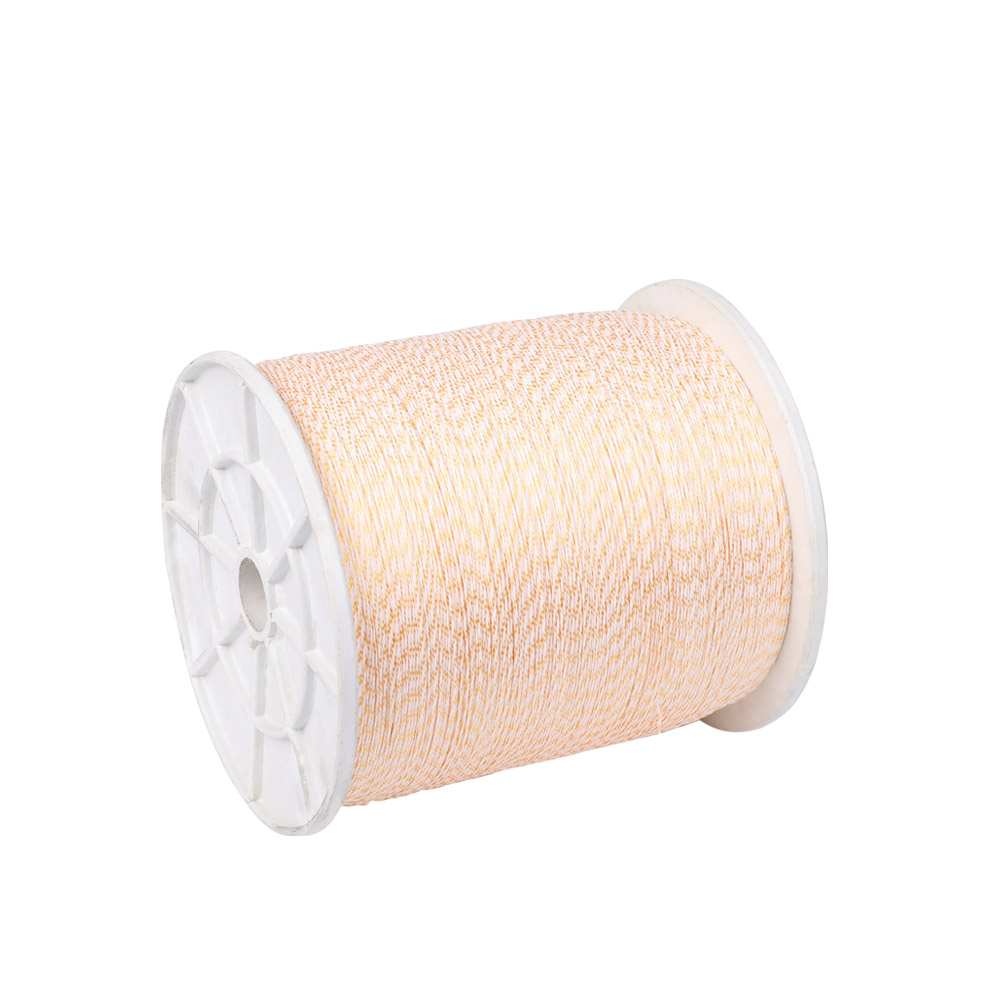
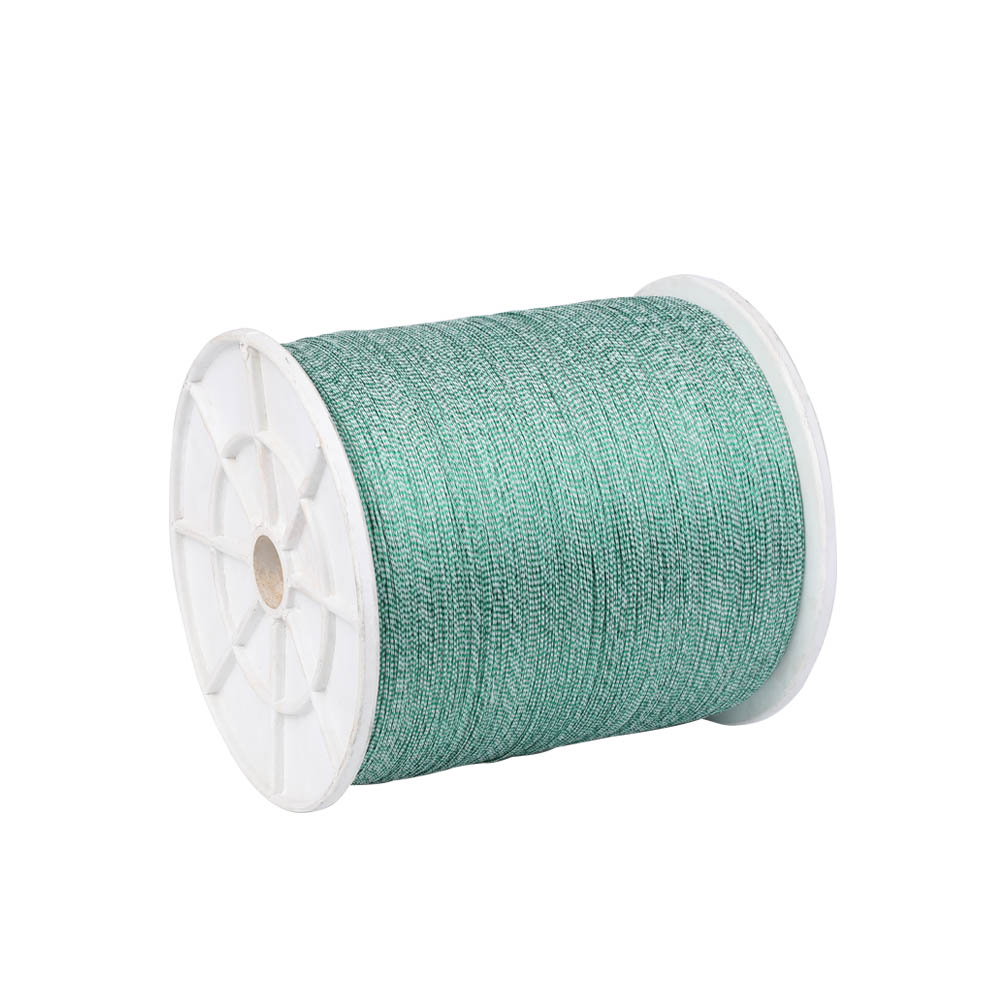
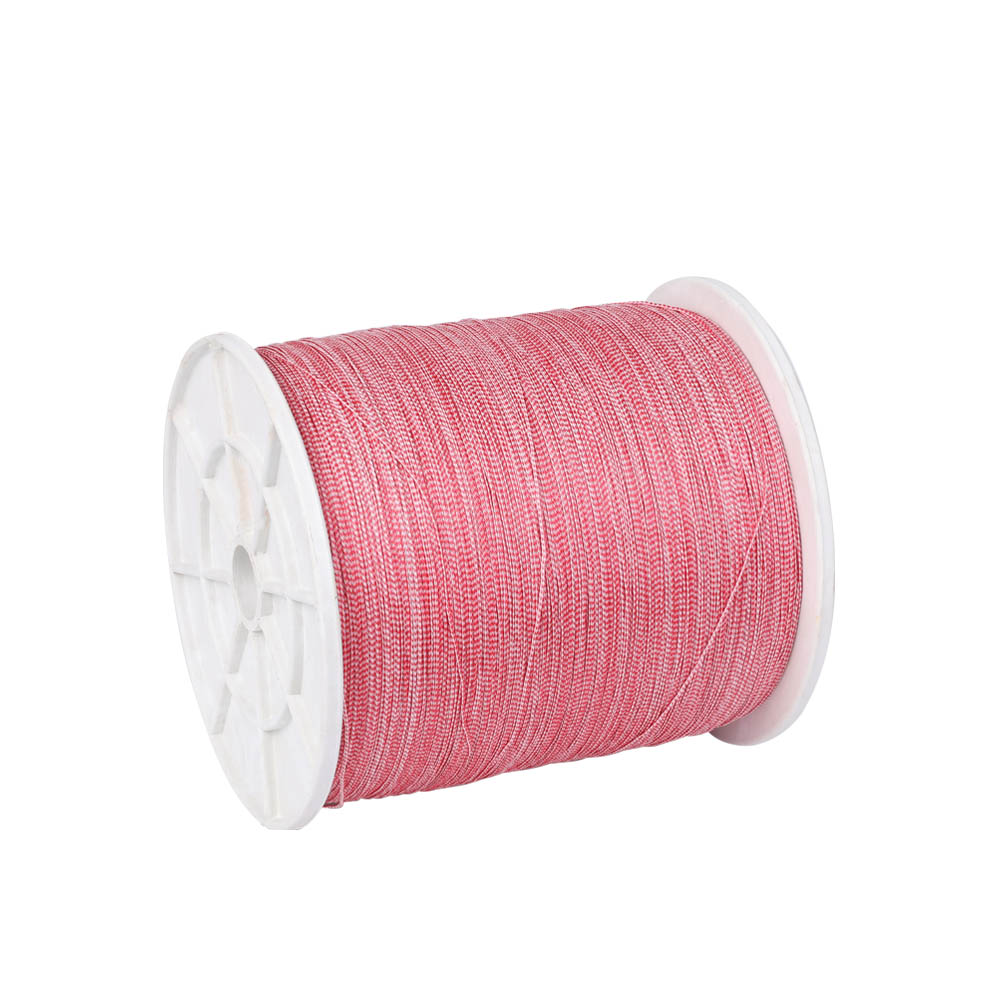
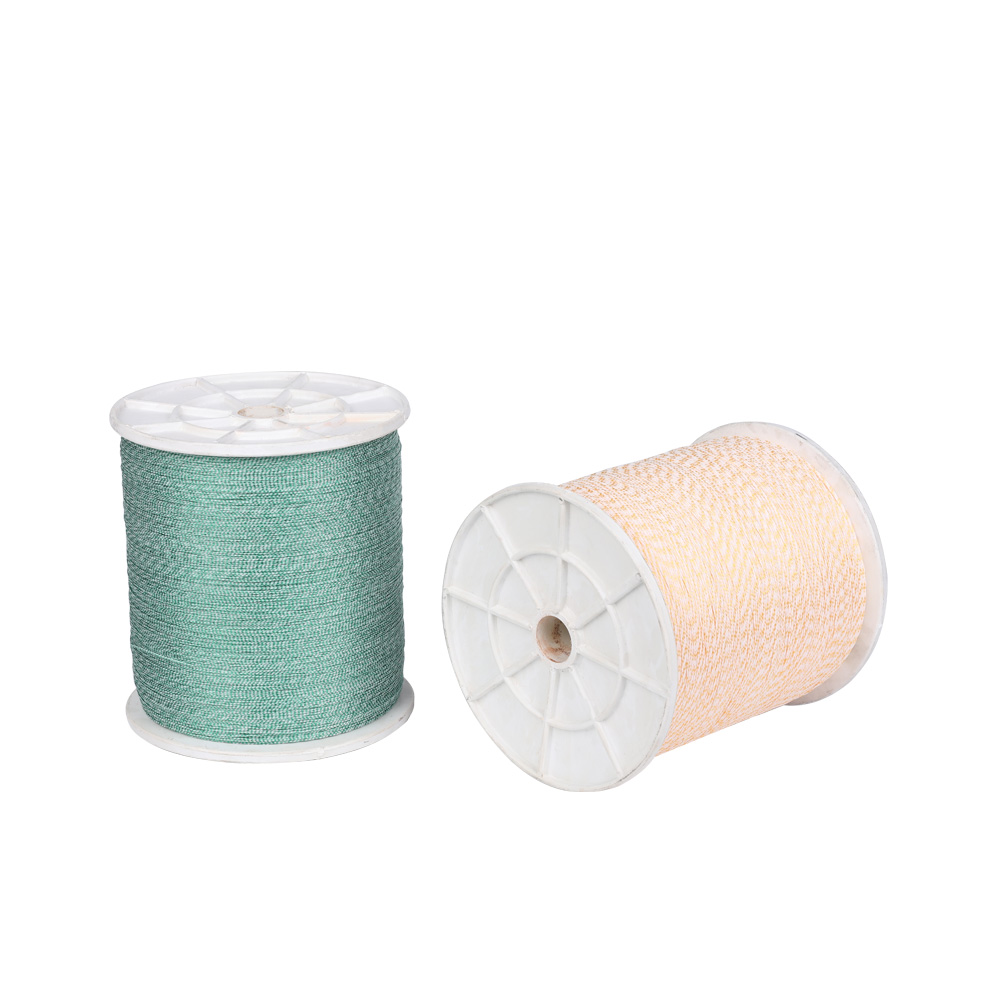
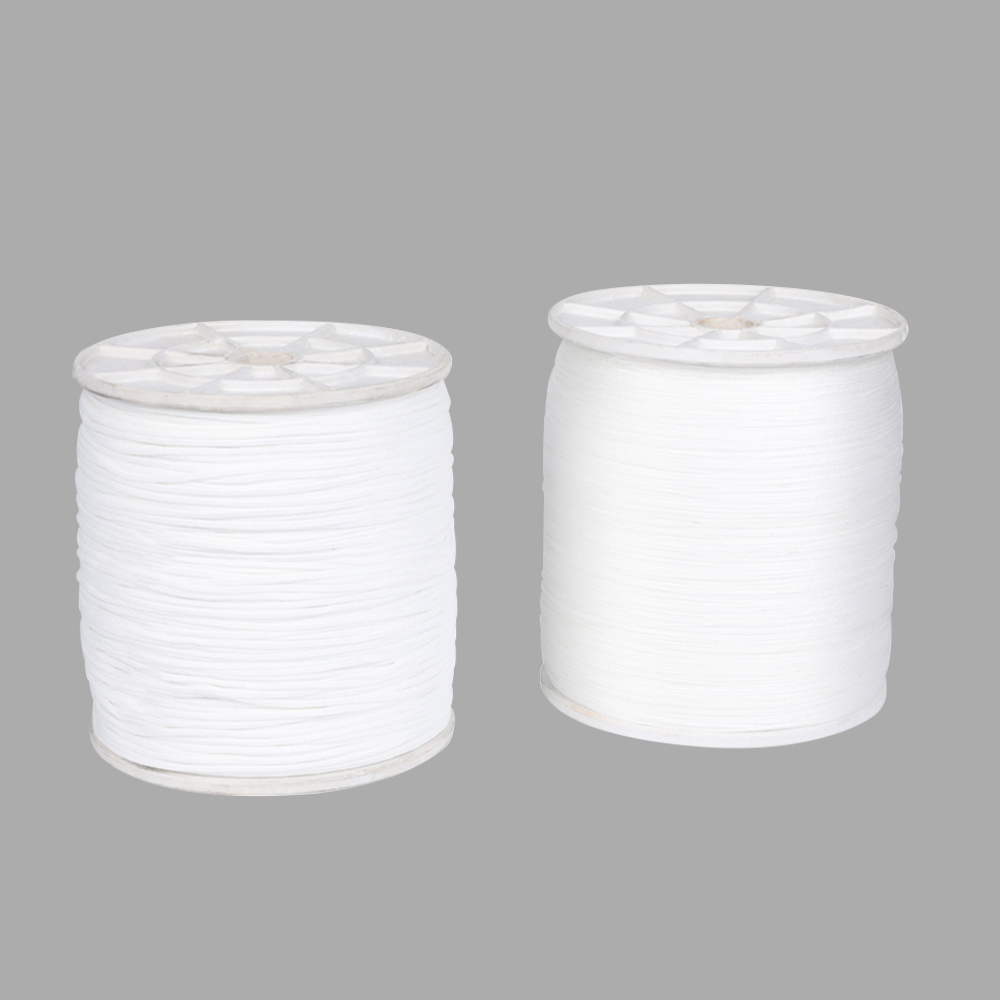
Polyester binding wire, often referred to in the industry as PET lashing or motor winding wire, is a high-performance synthetic material designed to replace traditional metal and nylon ties. Unlike standard wires that can rust or lose tension over time, polyester-based binding materials offer exceptional dimensional stability. This means they maintain their grip and tension even when subjected to constant mechanical vibration or heavy loads. The material's high tensile strength makes it a reliable choice for heavy-duty bundling in manufacturing and logistics sectors.
One of the standout features of this wire is its "memory" effect. While metal wire can deform and stay bent, polyester binding wire has a degree of elasticity that allows it to absorb shocks without snapping. This makes it particularly useful for securing items during transport where shifting occurs. Because it is non-metallic, it is also much safer for operators to handle, eliminating the risk of "spring-back" injuries or puncture wounds associated with steel banding.
Key Applications in Electrical and Industrial Sectors
The unique properties of polyester binding wire make it indispensable in specialized technical fields. In the electrical industry, it is widely used for securing motor windings and transformer coils. Its excellent dielectric properties ensure that it does not interfere with electromagnetic fields or cause short circuits, a risk that is always present with metallic fasteners. Additionally, its high thermal resistance allows it to function perfectly within the hot interior environments of operating machinery.
Where Polyester Binding Wire Excels
- Motor Manufacturing: Tying end-turns of stator windings to prevent movement during operation.
- Agricultural Bundling: Supporting heavy vine growth or bundling timber without damaging the organic material.
- Chemical Processing: Resisting acids and solvents that would typically corrode stainless steel wires.
- Logistics: Securing pallets and oversized cargo with a non-abrasive, high-strength tie.
Comparing Polyester Binding Wire to Alternative Materials
When choosing a binding solution, it is important to understand how polyester stacks up against steel and nylon. Steel wire offers the highest absolute strength but fails in corrosive environments and poses safety risks. Nylon is flexible but suffers from moisture absorption, which can cause it to stretch and loosen in humid conditions. Polyester binding wire sits in the "sweet spot," providing the weather resistance of nylon with a strength profile that approaches metal, all while remaining chemically inert and moisture-proof.
| Feature | Steel Wire | Nylon Tie | Polyester Wire |
| Corrosion Resistance | Low | High | Superior |
| UV Stability | Excellent | Moderate | High |
| Electrical Conductivity | Conductive | Insulating | Non-Conductive |
| Handling Safety | Low (Sharp edges) | High | High |
Installation Tips and Best Practices
For maximum effectiveness, polyester binding wire should be applied using a consistent tensioning method. In electrical motor applications, it is often used in conjunction with insulating varnishes; the wire absorbs a small amount of resin, which hardens to create a monolithic, vibration-proof structure. For general industrial bundling, using a simple tensioning tool ensures that the wire reaches its optimal stretch point, providing a secure hold that won't migrate during handling.
It is also important to select the correct thickness or ply of the wire for the intended load. While single-strand polyester wire is excellent for small components, multi-ply or braided versions are available for heavy-duty lashing. Always store your spools in a cool, dry place away from direct sunlight when not in use to ensure the long-term integrity of the synthetic fibers, although polyester is naturally quite resistant to environmental degradation.
Conclusion: A Modern Solution for High-Stakes Binding
In conclusion, polyester binding wire is a versatile and robust solution that addresses the shortcomings of traditional tying materials. Its combination of high tensile strength, chemical inertness, and safety makes it the go-to choice for modern industrial and electrical applications. By switching to a polyester-based system, businesses can reduce maintenance costs associated with rust and failure, while ensuring a safer environment for their workers. Whether you are winding a high-voltage motor or securing cargo for international shipping, this material provides the reliability and peace of mind required for critical tasks.